Mental Health Policy Reform Advocacy

Mental health policy reform advocacy is crucial for creating a society that prioritizes mental well-being. This multifaceted field involves diverse stakeholders, from policymakers and healthcare professionals to individuals with lived experience and advocacy groups, all working towards improved access to care, reduced stigma, and equitable mental health services. Understanding the current landscape, including its challenges and disparities, is essential for developing and implementing effective advocacy strategies.
This exploration delves into the core principles of mental health policy reform advocacy, examining various strategies and tactics used to influence policy changes. We’ll also discuss the critical role of effective communication in engaging policymakers and the public, highlighting successful campaigns and providing a practical guide for creating impactful advocacy initiatives. The importance of self-care and resilience for advocates themselves will also be addressed, emphasizing the need for a holistic approach to this crucial work.
Defining Mental Health Policy Reform Advocacy
Mental health policy reform advocacy is the organized effort to improve the systems, laws, and policies that govern mental healthcare access, quality, and equity. It involves a wide range of activities, from grassroots activism to lobbying efforts, all aimed at creating a more just and effective system for individuals experiencing mental health challenges. The ultimate goal is to reduce stigma, improve access to care, and promote recovery and well-being.Advocacy in this area is grounded in the belief that everyone deserves access to high-quality mental healthcare, regardless of their socioeconomic status, race, ethnicity, geographic location, or any other factor.
It’s built upon a foundation of human rights and social justice principles, recognizing mental illness as a treatable condition, not a moral failing.
Core Principles of Mental Health Policy Reform Advocacy
The core principles guiding mental health policy reform advocacy generally include: the right to treatment and recovery; reducing stigma and discrimination; promoting evidence-based practices; ensuring equitable access to care; fostering collaboration among stakeholders; prioritizing prevention and early intervention; and advocating for person-centered care. These principles translate into concrete policy goals and shape the strategies employed by advocates.
Stakeholders Involved in Mental Health Policy Reform
Many different stakeholders are involved in advocating for mental health policy reform. These include individuals with lived experience of mental illness and their families, mental health professionals (psychiatrists, psychologists, social workers, nurses), researchers, policymakers (legislators, government officials), advocacy organizations, healthcare providers, insurance companies, and community leaders. Each stakeholder group brings unique perspectives and expertise to the table, contributing to a more comprehensive and effective advocacy effort.
For example, individuals with lived experience offer invaluable insights into the realities of navigating the mental healthcare system, while policymakers have the power to enact meaningful change through legislation.
Advocacy Strategies in Mental Health Policy Reform
Several advocacy strategies are employed to bring about change. These range from grassroots mobilization (organizing community events, raising awareness through social media campaigns), to lobbying (direct engagement with legislators and government officials), to litigation (challenging discriminatory practices or inadequate systems through the courts). Media advocacy, involving strategic communication with journalists and media outlets to shape public opinion, also plays a crucial role.
Each strategy has its strengths and weaknesses, and successful advocacy often involves a combination of approaches. For example, grassroots mobilization can build public support for policy changes, while lobbying can directly influence the legislative process. Litigation can challenge systemic injustices, but often requires substantial resources and legal expertise.
Key Legislative Goals of Mental Health Policy Reform Movements
The following table summarizes key legislative goals commonly pursued by mental health policy reform movements. These goals often overlap and are interconnected.
| Goal Category | Specific Legislative Goal | Example Policy | Impact |
|---|---|---|---|
| Access to Care | Expand access to affordable mental healthcare | Increased funding for community mental health centers | Improved access to treatment for underserved populations |
| Parity | Ensure mental healthcare benefits are equal to physical healthcare benefits | Mental Health Parity and Addiction Equity Act (MHPAEA) | Reduced financial barriers to care |
| Early Intervention | Increase funding for early intervention and prevention programs | School-based mental health services | Reduced incidence of mental illness and improved outcomes |
| System Reform | Improve the quality and coordination of mental healthcare services | Integrated care models | More effective and efficient care |
Current State of Mental Health Policy
The current state of mental health policy in many countries presents a complex picture marked by both progress and significant shortcomings. While awareness of mental health issues has increased, translating this awareness into effective and equitable policies remains a major challenge. This often leads to inadequate funding, fragmented services, and significant disparities in access to care.Current mental health policies frequently fall short in several key areas, significantly impacting the lives of those struggling with mental illness.
Major Challenges and Shortcomings in Current Mental Health Policies
Many countries grapple with underfunding of mental health services, resulting in a shortage of qualified professionals, limited access to evidence-based treatments, and inadequate infrastructure. Policies often prioritize physical health over mental health, leading to unequal resource allocation and a lack of integration between physical and mental healthcare systems. Furthermore, the stigma surrounding mental illness continues to hinder effective policy implementation, impacting help-seeking behaviors and the overall effectiveness of interventions.
Bureaucratic hurdles and lengthy wait times for services also contribute to significant challenges in accessing appropriate care. Finally, a lack of comprehensive data collection and monitoring makes it difficult to accurately assess the impact of existing policies and inform future improvements.
Impact of Current Policies on Access to Mental Healthcare
The limitations of current mental health policies directly affect access to care. Insufficient funding leads to long waiting lists for appointments with psychiatrists, psychologists, and other mental health professionals. Geographic location significantly impacts access, with rural and underserved communities often lacking readily available services. Insurance coverage for mental health services is often inadequate, creating financial barriers for many individuals seeking treatment.
This financial burden can prevent individuals from seeking help or force them to compromise on the quality or duration of their treatment. The complexity of navigating the mental healthcare system, including understanding insurance benefits and finding appropriate providers, further complicates access for many.
Disparities in Mental Health Services Based on Demographics
Significant disparities in access to and quality of mental health services exist across various demographic groups. Racial and ethnic minorities often face systemic barriers to care, including cultural misunderstandings, discrimination, and a lack of culturally competent providers. Individuals from low socioeconomic backgrounds may lack access to affordable insurance or transportation to mental health facilities. Members of the LGBTQ+ community experience higher rates of mental health conditions but may face discrimination and a lack of specialized services.
Similarly, individuals with disabilities may encounter additional barriers due to a lack of accessible services and support systems. These disparities underscore the urgent need for equitable policies that address the unique needs of diverse populations.
Visual Representation of the Current State of Mental Health Policy and its Shortcomings
Imagine a pie chart. The entire pie represents the total healthcare budget. A small slice, significantly smaller than the slices representing other areas of healthcare, is labeled “Mental Health Funding.” This small slice visually demonstrates the underfunding of mental health services. Within this small slice, smaller segments could represent different aspects of mental health care, like therapy, medication, and hospitalization.
The sizes of these smaller segments could illustrate the uneven distribution of resources within the limited funding. Surrounding the pie chart, arrows could point to various barriers to access, such as long waiting lists, lack of insurance coverage, geographic limitations, and stigma. The arrows’ thickness could represent the magnitude of each barrier. The overall image would clearly convey the inadequate funding and the significant barriers individuals face in accessing mental health services.
Advocacy Strategies and Tactics
Effective advocacy for mental health policy reform requires a multifaceted approach, combining strategic planning, targeted communication, and sustained effort. Success hinges on understanding the political landscape, identifying key stakeholders, and employing a range of tactics to influence decision-making processes. This section Artikels several key strategies and tactics, drawing on successful campaigns and offering a practical guide for advocates.Successful mental health advocacy campaigns often share common characteristics.
They are well-researched, focusing on specific, achievable policy goals; they build broad coalitions, uniting diverse stakeholders around a common vision; and they employ a variety of communication channels to reach policymakers and the public effectively. They also demonstrate a deep understanding of the political process, knowing when and how to engage with decision-makers most effectively.
Examples of Successful Mental Health Advocacy Campaigns
Several campaigns illustrate the power of effective advocacy. The “Parity” movement, advocating for equal insurance coverage for mental and physical healthcare, achieved significant legislative victories at both the state and federal levels through years of persistent lobbying, public awareness campaigns, and strategic alliances with patient advocacy groups and medical professionals. Similarly, campaigns focused on reducing stigma surrounding mental illness have utilized creative public awareness strategies, including social media campaigns, celebrity endorsements, and educational initiatives in schools and workplaces.
These campaigns effectively shifted public perception and created a more supportive environment for individuals with mental health conditions. Another successful example includes campaigns promoting increased funding for community-based mental health services, often leveraging data on the cost-effectiveness of such services and highlighting the unmet needs within communities.
Step-by-Step Guide for Creating a Successful Advocacy Campaign
Creating a successful advocacy campaign involves a systematic approach. First, define clear goals and objectives. What specific policy changes are you advocating for? What measurable outcomes are you aiming to achieve? Next, conduct thorough research to understand the current policy landscape, identify key stakeholders, and assess the potential challenges and opportunities.
Then, develop a comprehensive strategy outlining the key tactics, timelines, and resources needed. This should include a communication plan detailing how you will reach policymakers and the public. Fourth, build coalitions with organizations and individuals who share your goals. Collaboration amplifies your voice and strengthens your advocacy efforts. Fifth, implement your strategy, engaging in lobbying, public awareness campaigns, and grassroots mobilization.
Finally, monitor and evaluate your progress, making adjustments as needed to maximize impact. Regular evaluation ensures accountability and informs future strategies.
Resources Available for Mental Health Advocates
Numerous resources support mental health advocates. National and state-level mental health organizations offer guidance, training, and networking opportunities. These organizations often provide model legislation, sample advocacy materials, and access to expert consultants. Academic institutions and research centers offer data and analysis on mental health issues and policy. Furthermore, online platforms and social media can facilitate communication and collaboration among advocates.
Finally, legal aid organizations can provide support on legal aspects of advocacy.
Comparison of Communication Strategies for Engaging Policymakers and the Public
Effective communication is crucial for successful advocacy. When engaging policymakers, a direct and data-driven approach is often most effective. This might involve providing detailed policy briefs, presenting research findings, and engaging in personal meetings with legislators and their staff. Conversely, communicating with the public often requires a more emotionally resonant and relatable approach. This might involve sharing personal stories, using compelling visuals, and leveraging social media to raise awareness and build support.
While policymakers value concrete data and evidence-based arguments, the public often responds to narratives and emotional appeals that highlight the human impact of mental health issues. A successful campaign integrates both strategies, using data to inform policymakers and compelling narratives to engage the public.
Stress and Anxiety Management
Effective stress and anxiety management is crucial for overall well-being and mental health. Untreated stress and anxiety can significantly impact daily life, leading to physical and mental health problems. Fortunately, numerous techniques and practices can help individuals effectively manage these challenges.
Effective Stress and Anxiety Management Techniques
A multifaceted approach is often most effective in managing stress and anxiety. This includes incorporating lifestyle changes, cognitive techniques, and relaxation methods. Lifestyle changes such as regular exercise, a balanced diet, and sufficient sleep contribute significantly to reducing stress levels. Cognitive techniques, like cognitive behavioral therapy (CBT), help individuals identify and challenge negative thought patterns that contribute to anxiety.
Relaxation methods, such as deep breathing exercises, progressive muscle relaxation, and yoga, can calm the nervous system and reduce feelings of tension. The combination of these approaches offers a comprehensive strategy for managing stress and anxiety effectively.
Benefits of Mindfulness Practices in Stress Reduction
Mindfulness, the practice of paying attention to the present moment without judgment, has been shown to significantly reduce stress and improve mental well-being. By focusing on the present, individuals can detach from anxious thoughts about the future or regrets about the past. Studies have demonstrated that regular mindfulness practice can alter brain activity, reducing activity in areas associated with anxiety and increasing activity in areas associated with emotional regulation.
This leads to improved emotional regulation, increased self-awareness, and a greater sense of calm. Mindfulness also enhances the ability to cope with stressful situations more effectively.
Practical Tips for Incorporating Mindfulness into Daily Life
Incorporating mindfulness into daily life doesn’t require extensive time commitments or specialized training. Simple practices can be easily integrated into daily routines. For example, taking a few minutes each morning to focus on your breath can set a calm tone for the day. During stressful situations, practicing mindful breathing can help center yourself and reduce feelings of overwhelm.
Mindful walking, paying close attention to the sensations of your feet on the ground and the movement of your body, is another accessible practice. Even engaging in everyday tasks mindfully, such as eating or washing dishes, can cultivate a sense of presence and reduce stress. The key is to choose practices that fit into your lifestyle and commit to regular practice, even if it’s just for a few minutes each day.
Resources for Stress and Anxiety Management
A range of resources are available to support individuals in managing stress and anxiety. These resources offer various approaches and levels of support.
- Therapy: Cognitive Behavioral Therapy (CBT), Dialectical Behavior Therapy (DBT), and other therapeutic approaches are highly effective in treating anxiety disorders and stress management.
- Mindfulness Apps: Numerous apps, such as Calm and Headspace, offer guided meditations and mindfulness exercises.
- Support Groups: Connecting with others facing similar challenges can provide valuable support and shared experiences.
- Books and Workshops: Many resources are available to learn more about stress management techniques and mindfulness practices.
- Healthcare Professionals: Consulting a doctor or mental health professional is crucial for individuals experiencing significant stress or anxiety.
Depression Support Resources
Depression is a significant mental health challenge affecting millions worldwide. Fortunately, a wide range of support resources are available to help individuals navigate this difficult experience and work towards recovery. Understanding these resources and how they can be utilized is crucial for effective treatment and improved well-being.
Types of Depression Support
Individuals experiencing depression can access various forms of support, tailored to their specific needs and preferences. These options include professional therapies, medication management, support groups, self-help resources, and peer support. The most effective approach often involves a combination of these methods, creating a holistic plan for recovery. For example, someone might benefit from cognitive behavioral therapy (CBT) alongside medication and participation in a support group.
The Role of Therapy and Medication in Depression Treatment
Therapy, particularly types like CBT and interpersonal therapy (IPT), helps individuals identify and challenge negative thought patterns and develop coping mechanisms. Medication, such as antidepressants, can help regulate brain chemistry and alleviate symptoms like sadness, fatigue, and loss of interest. The choice between therapy, medication, or a combination depends on the severity of depression, individual preferences, and the advice of a healthcare professional.
A psychiatrist or other qualified mental health professional will carefully assess an individual’s condition to determine the most appropriate course of treatment.
The Importance of Social Support Networks
Strong social support networks play a vital role in depression recovery. Connecting with family, friends, or supportive community members can provide emotional comfort, practical assistance, and a sense of belonging. Open communication and understanding from loved ones can significantly reduce feelings of isolation and hopelessness often associated with depression. For instance, a supportive friend might offer practical help like grocery shopping or simply listening without judgment.
The presence of a strong social network has been shown to improve treatment adherence and overall recovery outcomes.
Reputable Organizations Offering Depression Support, Mental health policy reform advocacy
Several reputable organizations offer valuable resources and support for individuals with depression. These organizations provide information, support groups, helplines, and online resources.
- The National Institute of Mental Health (NIMH): Offers extensive information on depression, treatment options, and research findings.
- The Depression and Bipolar Support Alliance (DBSA): Provides support groups, educational materials, and advocacy for individuals and families affected by mood disorders.
- The National Alliance on Mental Illness (NAMI): Offers support groups, educational programs, and advocacy for individuals and families affected by mental illness.
- The Substance Abuse and Mental Health Services Administration (SAMHSA): Provides a national helpline and a wealth of information on mental health services and treatment options.
Mindfulness Practices
Mindfulness, at its core, is the practice of paying attention to the present moment without judgment. It involves cultivating awareness of your thoughts, feelings, bodily sensations, and the surrounding environment, all without getting carried away by them. This practice has been shown to significantly improve mental well-being by reducing stress, anxiety, and depression, and fostering emotional regulation. By consciously focusing on the present, we can break free from the cycle of rumination on the past or worry about the future.Mindfulness cultivates a non-judgmental awareness of our experience, allowing us to observe our thoughts and feelings as they arise, rather than being swept away by them.
This approach fosters self-compassion and acceptance, crucial components in managing mental health challenges. Regular mindfulness practice helps build resilience, enabling individuals to better cope with stressful situations and navigate emotional difficulties.
Mindfulness Techniques
Mindfulness is not just a passive state; it’s an active skill developed through consistent practice. Several techniques can facilitate this process, each offering a unique approach to cultivating present moment awareness.
Meditation
Meditation involves focusing your attention on a single point of reference, such as your breath, a mantra, or a visual image. This focused attention helps quiet the mind, reducing mental chatter and promoting a sense of calm. Different meditation styles exist, from guided meditations with verbal instructions to silent, mindful awareness practices. Regular meditation practice can enhance focus, reduce stress, and improve emotional regulation.
For example, a study published in JAMA Internal Medicine found that mindfulness-based meditation significantly reduced symptoms of depression and anxiety in participants.
Deep Breathing Exercises
Deep, conscious breathing is a simple yet powerful mindfulness technique. By focusing on the sensation of your breath entering and leaving your body, you anchor your attention in the present moment. Deep breathing activates the parasympathetic nervous system, which helps calm the body and mind, reducing feelings of stress and anxiety. A common technique involves inhaling deeply through your nose, holding your breath briefly, and then exhaling slowly through your mouth.
This simple exercise can be practiced anywhere, anytime, providing a quick and effective way to manage stress.
Mindful Movement
Incorporating mindfulness into physical activities like yoga or tai chi can deepen the practice. By paying close attention to the sensations in your body as you move, you cultivate a heightened awareness of your physical self and the present moment. This mindful movement promotes both physical and mental well-being, fostering a connection between body and mind.
Practical Exercises for Daily Mindfulness
Integrating mindfulness into daily life doesn’t require hours of dedicated practice. Even brief moments of mindful attention can have a significant impact.
Mindful Eating
Instead of rushing through meals, pay attention to the taste, texture, and smell of your food. Notice the sensations of chewing and swallowing. This simple act can transform a routine activity into a mindful experience.
Mindful Walking
When you walk, focus on the feeling of your feet on the ground, the movement of your body, and the sights and sounds around you. Let go of thoughts and worries, and simply experience the present moment.
Step-by-Step Guide for Beginners
Beginning a mindfulness practice can feel daunting, but a structured approach can make it easier.
- Find a quiet space: Choose a comfortable and quiet environment where you can sit or lie down without distractions.
- Set a timer: Start with just 5-10 minutes of practice, gradually increasing the duration as you become more comfortable.
- Focus on your breath: Pay attention to the sensation of your breath entering and leaving your body. Notice the rise and fall of your chest or abdomen.
- Acknowledge distractions: When your mind wanders (and it will!), gently redirect your attention back to your breath without judgment.
- Be patient and kind to yourself: Mindfulness is a skill that takes time and practice. Be patient with yourself and don’t get discouraged if you find it challenging at first.
Mental Health Advocacy: Mental Health Policy Reform Advocacy
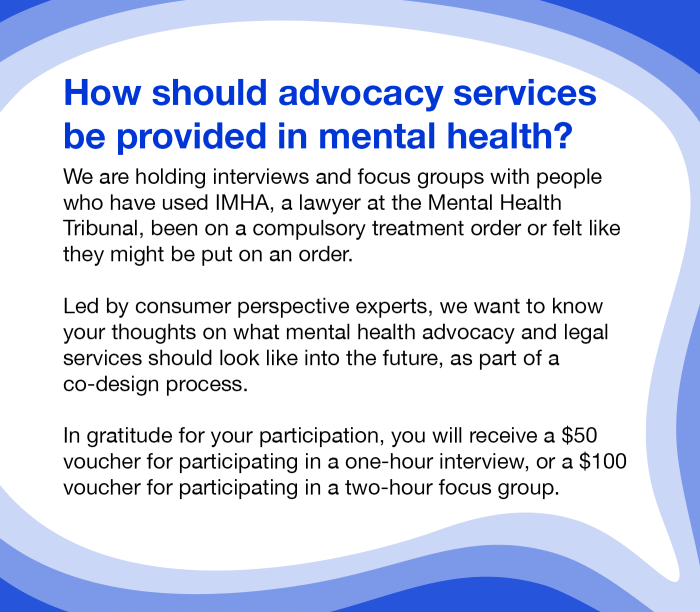
Mental health advocacy plays a crucial role in shaping policies, improving services, and reducing stigma surrounding mental illness. Advocates work tirelessly to ensure individuals with mental health conditions receive the support and care they deserve, fostering a more inclusive and understanding society. Their efforts span various levels, from individual support to large-scale systemic change.
Roles and Responsibilities of Mental Health Advocates
Mental health advocates assume diverse roles, each contributing to the broader goal of improved mental healthcare. Some focus on direct service provision, offering support and guidance to individuals navigating the mental health system. Others concentrate on policy advocacy, working to influence legislation and resource allocation. Still others dedicate their time to raising public awareness and reducing stigma. These roles often overlap, and effective advocacy requires a multi-faceted approach.
For example, a peer support specialist might directly assist individuals while simultaneously advocating for better funding for peer support programs. A policy advocate might work to change legislation while also educating the public about the importance of mental health.
Strategies for Raising Awareness About Mental Health Issues
Raising awareness is paramount in combating stigma and fostering understanding. Effective strategies include public awareness campaigns utilizing various media platforms (social media, print, television, radio), educational programs in schools and communities, and the sharing of personal stories to humanize mental health experiences. Collaborations with celebrities or influencers can significantly amplify reach. For instance, a campaign might feature short videos of individuals sharing their journeys with mental illness, coupled with information about available resources.
Another approach could involve creating interactive online resources, such as quizzes or infographics, to educate the public about mental health conditions and their treatment.
Importance of Collaboration Among Mental Health Advocates
Collaboration is crucial for maximizing impact. By working together, advocates can leverage diverse skills, resources, and perspectives to achieve shared goals. Collaboration can take many forms, including forming coalitions, sharing information and resources, and coordinating advocacy efforts. For example, a coalition of mental health organizations might collaborate to lobby for increased funding for mental health services, while individual advocates might share their expertise and resources to support each other’s initiatives.
A collaborative approach ensures a more comprehensive and sustainable impact on mental health policy and practice.
A Campaign to Promote Mental Health Awareness in a Specific Community
Let’s consider a campaign targeting young adults (18-25) in a college town. The campaign, titled “Mindful Mondays,” would utilize social media platforms like Instagram and TikTok to share relatable content, including short videos featuring student testimonials, infographics explaining common mental health challenges faced by students (stress, anxiety, depression), and information about on-campus resources (counseling services, support groups). Mindful Mondays would also organize weekly mindfulness sessions on campus, potentially partnering with the campus wellness center.
The campaign would aim to normalize conversations about mental health, reduce stigma, and connect students with available support. Success would be measured through increased engagement on social media, attendance at mindfulness sessions, and feedback from students. The campaign would also actively seek collaboration with campus organizations and student leaders to maximize reach and impact.
Therapy and Counseling Options
Choosing the right therapy or counseling approach is a crucial step in addressing mental health concerns. Different approaches offer unique perspectives and techniques, making it essential to understand their benefits and limitations to find the best fit for individual needs and preferences. The effectiveness of a particular therapy can also vary depending on the specific mental health condition being treated.
Types of Therapy and Counseling Approaches
Numerous therapeutic modalities exist, each employing distinct methods to help individuals manage and overcome mental health challenges. These approaches often overlap and therapists may integrate techniques from multiple schools of thought. Some prominent examples include Cognitive Behavioral Therapy (CBT), Dialectical Behavior Therapy (DBT), Psychodynamic Therapy, and Acceptance and Commitment Therapy (ACT).
Benefits and Limitations of Therapeutic Modalities
Cognitive Behavioral Therapy (CBT), for instance, excels at targeting maladaptive thoughts and behaviors, making it highly effective for anxiety disorders and depression. However, it may not be as suitable for exploring deeply rooted past traumas. Conversely, Psychodynamic Therapy delves into unconscious patterns and past experiences, offering valuable insights into the origins of mental health issues, but this process can be lengthy and may not provide immediate symptom relief.
Each approach offers unique advantages and disadvantages, necessitating careful consideration of individual circumstances.
Comparing Therapeutic Approaches for Specific Mental Health Conditions
For anxiety disorders, CBT’s focus on cognitive restructuring and behavioral experiments often proves highly beneficial. In contrast, for individuals with borderline personality disorder, DBT’s emphasis on emotional regulation and distress tolerance skills can be transformative. Similarly, trauma-focused therapies like Eye Movement Desensitization and Reprocessing (EMDR) provide specialized tools for processing traumatic memories. The choice of therapy is best made in consultation with a mental health professional who can assess the individual’s needs and recommend the most appropriate approach.
Summary Table of Therapy Types
| Therapy Type | Approach | Target Conditions | Limitations |
|---|---|---|---|
| Cognitive Behavioral Therapy (CBT) | Identifies and modifies negative thought patterns and behaviors. | Anxiety disorders, depression, OCD, PTSD | May not be suitable for all individuals or conditions; requires active participation. |
| Dialectical Behavior Therapy (DBT) | Teaches skills for emotional regulation, distress tolerance, and mindfulness. | Borderline personality disorder, self-harm, substance abuse | Requires significant commitment and effort from the client. |
| Psychodynamic Therapy | Explores unconscious patterns and past experiences to understand current issues. | Depression, anxiety, relationship problems | Can be time-consuming and expensive; may not provide immediate symptom relief. |
| Acceptance and Commitment Therapy (ACT) | Focuses on accepting difficult thoughts and feelings while committing to valued actions. | Depression, anxiety, chronic pain | May require a significant shift in mindset and perspective. |
Building Resilience
Resilience is the ability to bounce back from adversity, stress, and trauma. It’s not about avoiding hardship, but rather about developing the capacity to cope with challenges and emerge stronger. A strong sense of resilience is crucial for mental well-being, allowing individuals to navigate life’s inevitable difficulties with greater ease and maintain a positive outlook. Building resilience is an ongoing process, requiring conscious effort and the development of specific skills.Resilience fosters mental well-being by equipping individuals with the tools to manage stress, overcome obstacles, and adapt to change.
Without resilience, setbacks can lead to prolonged distress, impacting overall mental health and potentially contributing to the development of mental health conditions. Individuals with higher levels of resilience tend to experience less emotional distress and demonstrate greater adaptability in the face of challenges.
Strategies for Building Resilience
Developing resilience involves a multifaceted approach. It’s about cultivating a mindset, adopting healthy habits, and building strong support systems. This process is personal and requires self-reflection to identify areas for improvement.
Cultivating Inner Strength and Coping Mechanisms
Inner strength is developed through self-awareness, self-compassion, and a belief in one’s own capabilities. Effective coping mechanisms provide tools to manage stress and difficult emotions. These mechanisms can include mindfulness practices, physical activity, creative expression, and healthy social connections. For example, practicing mindfulness through meditation can help regulate emotions and reduce stress levels, while engaging in regular physical activity releases endorphins, which have mood-boosting effects.
Developing Personal Resilience Skills
A structured approach to building resilience involves focusing on several key areas. This includes:
First, strengthening self-awareness: Understanding your strengths, weaknesses, and emotional triggers is fundamental. Journaling, self-reflection exercises, and seeking feedback from trusted individuals can help in this process. For instance, regularly reflecting on past experiences and identifying how you coped with challenges can highlight personal strengths and areas needing improvement.
Second, building strong social connections: A supportive network of family, friends, and community members provides emotional support and a sense of belonging. Actively nurturing these relationships is crucial. Examples include regularly connecting with loved ones, joining community groups, or volunteering.
Third, adopting healthy lifestyle habits: Regular exercise, a balanced diet, and sufficient sleep significantly impact mental and emotional well-being. These habits contribute to overall physical health and enhance resilience to stress. For example, a consistent exercise routine can improve mood, reduce anxiety, and enhance coping abilities.
Fourth, developing problem-solving skills: Learning to approach challenges systematically, break them down into manageable steps, and seek help when needed builds confidence and resilience. This might involve utilizing problem-solving frameworks or seeking guidance from mentors or therapists.
Fifth, practicing self-compassion: Treating yourself with kindness and understanding, especially during difficult times, is essential. Avoid self-criticism and focus on self-acceptance. This might involve engaging in positive self-talk or practicing mindfulness techniques.
Sixth, maintaining a positive outlook: Focusing on your strengths and celebrating accomplishments helps build confidence and resilience. This can involve practicing gratitude, setting realistic goals, and focusing on positive aspects of life.
Sleep and Mental Health
Sleep and mental health are inextricably linked, forming a complex bidirectional relationship. Sufficient sleep is crucial for maintaining emotional well-being, while mental health conditions can significantly disrupt sleep patterns. Understanding this interplay is essential for effective mental health care and overall well-being.The impact of sleep deprivation on mental well-being is substantial. Lack of sleep can exacerbate existing mental health conditions like anxiety and depression, leading to increased irritability, difficulty concentrating, and impaired judgment.
It can also trigger or worsen symptoms in individuals who don’t typically experience these conditions. For example, a study published in the journalSleep* found a strong correlation between insufficient sleep and increased risk of developing depression. Furthermore, chronic sleep deprivation can compromise the brain’s ability to regulate emotions, leading to heightened emotional reactivity and impulsive behavior.
Impact of Sleep Deprivation on Cognitive Function
Sleep deprivation significantly impairs cognitive function. Reduced sleep leads to decreased attention span, difficulty processing information, and impaired memory consolidation. This can affect daily functioning, academic performance, and professional productivity. The inability to focus and make sound decisions, often experienced by sleep-deprived individuals, can contribute to increased stress and anxiety, further compounding the negative impact on mental health.
For instance, a person struggling with insomnia might find it difficult to complete tasks at work, leading to stress and feelings of inadequacy.
Practical Tips for Improving Sleep Hygiene
Establishing good sleep hygiene is vital for improving sleep quality. This involves creating a consistent sleep schedule, maintaining a relaxing bedtime routine, and optimizing the sleep environment. Creating a dark, quiet, and cool bedroom can promote better sleep. Avoiding caffeine and alcohol before bed is also crucial, as these substances can interfere with sleep cycles. Regular physical activity can improve sleep quality, but it’s important to avoid intense workouts close to bedtime.
Practicing relaxation techniques like deep breathing or meditation before sleep can also help calm the mind and prepare the body for rest.
Resources for Addressing Sleep Problems
Numerous resources are available for individuals struggling with sleep problems. These include cognitive behavioral therapy for insomnia (CBT-I), a highly effective treatment for chronic insomnia. Many therapists and sleep specialists offer CBT-I. Over-the-counter sleep aids, such as melatonin, can also be helpful in some cases, but it’s essential to consult a healthcare professional before using them. Support groups and online communities provide a platform for sharing experiences and learning coping strategies.
Furthermore, many apps and websites offer sleep tracking and relaxation techniques to improve sleep hygiene. Seeking professional help from a doctor or sleep specialist is crucial for persistent or severe sleep disturbances.
Workplace Mental Health
The workplace significantly impacts an individual’s mental well-being. A supportive and healthy work environment fosters productivity and employee satisfaction, while a toxic or stressful one can contribute to various mental health challenges. Understanding these challenges and implementing proactive strategies is crucial for creating a thriving and productive workforce.
Challenges Related to Mental Health in the Workplace
Numerous factors within the workplace can negatively affect mental health. These include excessive workload and long hours leading to burnout, lack of work-life balance causing chronic stress, workplace bullying and harassment creating a hostile environment, lack of recognition and appreciation diminishing morale, and insufficient opportunities for career development fostering feelings of stagnation and inadequacy. Furthermore, unclear expectations and poor communication can lead to anxiety and uncertainty, while a lack of support from management can exacerbate existing mental health conditions.
The stigma surrounding mental health often prevents employees from seeking help, further compounding the issue.
Strategies for Promoting Mental Well-being in the Workplace
Promoting mental well-being requires a multifaceted approach. This includes implementing flexible work arrangements to improve work-life balance, providing access to employee assistance programs (EAPs) offering confidential counseling and support services, conducting regular mental health awareness training for employees and managers to reduce stigma and increase understanding, encouraging open communication and creating a culture where employees feel comfortable discussing mental health concerns, and implementing stress management programs, such as mindfulness workshops or yoga classes, to equip employees with coping mechanisms.
Regular feedback and performance reviews that focus on both accomplishments and areas for improvement can boost morale and foster a sense of value. Investing in leadership training that emphasizes empathy, support, and conflict resolution skills is also vital.
Importance of a Supportive and Inclusive Work Environment
A supportive and inclusive work environment is paramount for employee mental health. It’s a space where employees feel valued, respected, and understood. This includes fostering a culture of open communication where employees feel safe to express their concerns without fear of judgment or reprisal. Providing reasonable accommodations for employees with mental health conditions is crucial, ensuring they can perform their duties effectively and comfortably.
Promoting diversity and inclusion ensures that all employees feel a sense of belonging and are treated with fairness and respect. This environment reduces stress and anxiety, improves morale, and fosters a sense of community and camaraderie, ultimately leading to increased productivity and employee retention.
Workplace Mental Health Program Design
A comprehensive workplace mental health program should incorporate several key elements. It should offer readily accessible mental health resources, such as EAPs and online mental health platforms. Regular training programs should educate employees and managers on mental health awareness, recognizing signs and symptoms of mental health conditions, and promoting help-seeking behavior. The program should also establish clear policies and procedures for addressing workplace harassment and bullying, ensuring a safe and respectful environment for all.
Furthermore, the program should include initiatives to promote work-life balance, such as flexible work arrangements and generous leave policies. Regular feedback mechanisms, such as employee surveys, should be used to assess the effectiveness of the program and make necessary adjustments. Finally, the program should be actively promoted and communicated to all employees, ensuring its accessibility and utilization.
The program should also include a confidential reporting system for concerns related to mental health in the workplace.
Ultimately, successful mental health policy reform advocacy hinges on a collaborative effort, combining informed strategies, impactful communication, and unwavering dedication. By understanding the current state of mental health policy, identifying key challenges, and employing effective advocacy tactics, we can collectively work towards a future where mental health is prioritized and everyone has access to the support they need. This requires not only advocating for policy changes but also fostering understanding, empathy, and a commitment to dismantling the stigma surrounding mental illness.
Essential Questionnaire
What are the common barriers to accessing mental healthcare?
Common barriers include high costs, lack of insurance coverage, geographical limitations, stigma, and lack of awareness about available resources.
How can I get involved in mental health policy reform?
You can join advocacy groups, contact your elected officials, volunteer at mental health organizations, or participate in awareness campaigns.
What is the role of technology in mental health advocacy?
Technology plays a vital role in disseminating information, connecting individuals and groups, and facilitating online advocacy campaigns.
How can I support someone struggling with their mental health?
Offer empathy and understanding, encourage professional help, and provide practical support such as accompanying them to appointments.