Therapy Options for PTSD A Comprehensive Guide
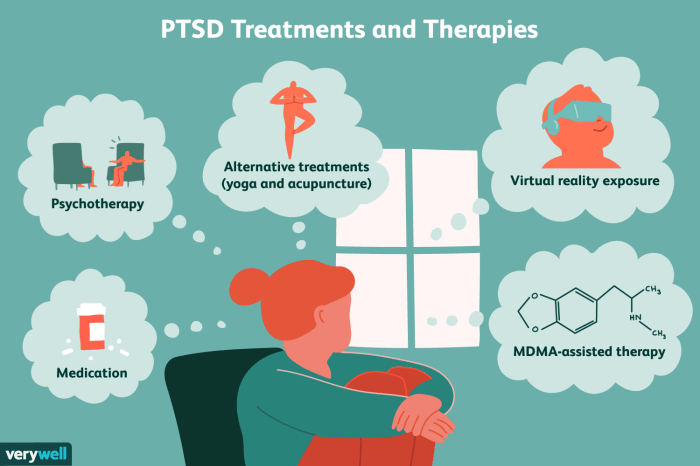
Therapy options for PTSD offer a multifaceted approach to healing from the trauma’s lasting effects. Understanding the various therapeutic avenues available, from Cognitive Processing Therapy (CPT) to Eye Movement Desensitization and Reprocessing (EMDR), is crucial for individuals seeking effective treatment. This guide explores these options, examining their effectiveness, suitability for different individuals, and the role of medication in conjunction with therapy.
We will also delve into complementary strategies for managing stress and anxiety, ultimately empowering individuals on their path to recovery.
Navigating the complexities of PTSD requires a comprehensive understanding of available treatments and support systems. This exploration will equip readers with the knowledge necessary to make informed decisions regarding their care, emphasizing the importance of finding a qualified therapist and utilizing a holistic approach that addresses both the psychological and physiological aspects of the condition. The goal is to empower individuals to actively participate in their recovery journey, fostering resilience and long-term well-being.
Types of Therapy for PTSD: Therapy Options For PTSD

Post-traumatic stress disorder (PTSD) significantly impacts individuals’ lives, necessitating effective treatment approaches. Several evidence-based therapies have proven successful in managing PTSD symptoms, offering diverse avenues for recovery. The choice of therapy often depends on individual needs, preferences, and the specific nature of the trauma experienced.
Cognitive Processing Therapy (CPT)
Cognitive Processing Therapy (CPT) focuses on challenging and modifying unhelpful thoughts and beliefs that contribute to PTSD symptoms. It helps individuals understand how their thinking patterns influence their emotional responses to traumatic memories. CPT typically involves identifying and disputing negative thoughts about oneself, others, and the world, often stemming from the traumatic event. Through structured sessions, individuals learn to reframe their perspectives and develop more adaptive coping mechanisms.
This therapy is particularly effective for individuals who experience persistent negative thoughts and beliefs related to the trauma.
Prolonged Exposure (PE)
Prolonged Exposure (PE) is a therapy that involves gradually confronting trauma-related memories, feelings, and situations. This is done through repeated exposure to these triggers, both in imagination and in real-life situations, until the individual’s anxiety diminishes. The goal is to reduce avoidance behaviors and the emotional intensity associated with traumatic memories. PE is particularly helpful for individuals who avoid reminders of their trauma, leading to significant distress and impairment in daily life.
The process is carefully guided by a therapist to ensure a safe and controlled environment.
Eye Movement Desensitization and Reprocessing (EMDR)
Eye Movement Desensitization and Reprocessing (EMDR) is a therapy that uses bilateral stimulation, such as eye movements, taps, or sounds, while the individual focuses on traumatic memories. The theory behind EMDR suggests that bilateral stimulation facilitates the processing of traumatic memories, reducing their emotional intensity. EMDR is often used to process specific traumatic memories and reduce their impact on the individual’s daily life.
While the precise mechanism is still under research, its effectiveness in treating PTSD has been well-documented. This approach can be particularly beneficial for individuals who find it difficult to verbally process their traumatic experiences.
Trauma-Focused Cognitive Behavioral Therapy (TF-CBT)
Trauma-Focused Cognitive Behavioral Therapy (TF-CBT) is an integrative therapy that combines elements of cognitive behavioral therapy (CBT) and trauma-specific techniques. It addresses both the emotional and cognitive aspects of PTSD, incorporating psychoeducation about trauma and its effects. TF-CBT often includes elements of relaxation techniques, cognitive restructuring, and exposure therapy, tailored to the specific needs of the child or adolescent.
This therapy is specifically designed for children and adolescents who have experienced trauma, recognizing the developmental considerations involved in their healing process.
Comparison of Therapy Types for PTSD
The effectiveness of these therapies is supported by considerable research, although individual responses may vary. While all four therapies have demonstrated efficacy, the most suitable choice depends on the individual’s specific needs and preferences.
| Therapy Type | Key Features | Benefits | Limitations |
|---|---|---|---|
| Cognitive Processing Therapy (CPT) | Challenges negative thoughts and beliefs; focuses on cognitive restructuring. | Effective for individuals with persistent negative thoughts; relatively less time-intensive than some other therapies. | May not be as effective for individuals with significant avoidance behaviors or those who struggle with emotional processing. |
| Prolonged Exposure (PE) | Gradual exposure to trauma-related memories and situations; reduces avoidance behaviors. | Highly effective for reducing avoidance and fear; addresses the core symptoms of PTSD. | Can be emotionally challenging; requires a high level of commitment from the individual. |
| Eye Movement Desensitization and Reprocessing (EMDR) | Uses bilateral stimulation while focusing on traumatic memories; aims to reduce emotional intensity. | Can be effective for individuals who find verbal processing difficult; relatively shorter treatment duration in some cases. | Mechanism not fully understood; may not be suitable for all individuals. |
| Trauma-Focused Cognitive Behavioral Therapy (TF-CBT) | Integrates CBT and trauma-specific techniques; tailored for children and adolescents. | Addresses both emotional and cognitive aspects of PTSD; considers developmental factors. | Requires specialized training for therapists; may be more time-consuming. |
Finding a PTSD Therapist
Finding the right therapist is crucial for effective PTSD treatment. The therapeutic relationship is a cornerstone of success, and selecting a qualified professional who understands your specific needs is paramount. This involves careful consideration of their credentials, experience, and approach to therapy.Finding a therapist who specializes in PTSD and is a good fit for you requires a thoughtful and systematic approach.
It’s not just about finding someone with the right qualifications; it’s about building a trusting and effective therapeutic alliance. Remember, you are actively participating in your recovery, and finding the right partner in that journey is key.
Therapist Qualifications and Experience
Choosing a therapist involves more than simply finding someone who is geographically convenient. It’s vital to ensure they possess the necessary qualifications and experience to effectively treat PTSD. A therapist’s training, certifications, and years of experience working with trauma survivors all contribute to their ability to provide appropriate care. Look for therapists with specific training in evidence-based treatments for PTSD, such as prolonged exposure therapy (PE) or cognitive processing therapy (CPT).
These therapies have a strong research base demonstrating their effectiveness. Consider the therapist’s overall experience; a therapist with several years of experience treating PTSD patients is likely to possess a deeper understanding of the complexities of the condition and more effective strategies for managing it.
Locating and Vetting Potential Therapists, Therapy options for PTSD
Locating potential therapists can be done through several avenues. Online directories, referrals from your physician or other healthcare professionals, and recommendations from friends or family are all helpful starting points. Once you have a list of potential therapists, verifying their credentials is essential. This can usually be done by checking the therapist’s licensing board website to confirm their license is current and in good standing.
You should also look for evidence of specialized training in PTSD treatment, such as certifications or continuing education credits in trauma-informed care.
- Start your search online: Utilize online directories like Psychology Today or GoodTherapy. These websites often allow you to filter by specialization, insurance acceptance, and location.
- Check with your insurance provider: Your insurance company’s website or member services department can provide a list of in-network therapists.
- Ask for referrals: Don’t hesitate to ask your primary care physician, psychiatrist, or other healthcare providers for recommendations.
- Review online profiles and testimonials: Many therapists have online profiles that include information about their experience, approach, and client testimonials. Pay attention to client reviews, noting both positive and negative feedback.
- Verify credentials and licensing: Always independently verify a therapist’s credentials and licensing through the relevant state or national licensing board. This ensures they are qualified and legally authorized to practice.
Considering Therapeutic Approach
Different therapists employ various therapeutic approaches. While some may focus on a specific modality like PE or CPT, others might use a more integrative approach, combining techniques based on your individual needs. Understanding the therapist’s approach is critical in determining compatibility. Research different therapeutic approaches to PTSD to understand what might be a good fit for you. For instance, if you prefer a structured and directive approach, prolonged exposure therapy might be a good fit.
If you prefer a more collaborative and reflective approach, cognitive processing therapy might be more suitable. It’s essential to find a therapist whose approach aligns with your preferences and needs. A consultation call or initial meeting can help you gauge the therapeutic style and whether you feel comfortable with the therapist’s approach.
Successfully managing PTSD requires a personalized approach, integrating therapeutic interventions with supportive coping mechanisms and lifestyle adjustments. While effective therapies like CPT, PE, EMDR, and TF-CBT offer powerful tools for processing trauma, the journey to recovery is often enhanced by complementary strategies such as stress management techniques, mindfulness practices, and a strong support system. Remember, seeking professional guidance is vital in navigating this path; a qualified therapist can provide personalized recommendations and support tailored to your specific needs and experiences, leading to a more fulfilling and resilient future.
Essential Questionnaire
What if therapy doesn’t work for me?
It’s important to remember that therapy is a process, and finding the right approach may take time. If one therapy isn’t effective, others may be more suitable. Open communication with your therapist is crucial to adjust the treatment plan.
How long does PTSD therapy typically last?
The duration of therapy varies greatly depending on individual needs and the severity of symptoms. It can range from several months to several years.
Are there support groups for people with PTSD?
Yes, many support groups exist both in person and online. These groups offer a safe space to connect with others who understand the challenges of PTSD.
Can I manage PTSD without medication?
While medication can be helpful for some, many individuals find success managing their PTSD symptoms primarily through therapy and lifestyle changes.
How can I find a therapist specializing in trauma?
You can search online directories of therapists, contact your insurance provider, or ask your doctor for referrals. Look for therapists with experience treating PTSD and a therapeutic approach that resonates with you.