Therapy for Anger Management Find Your Calm
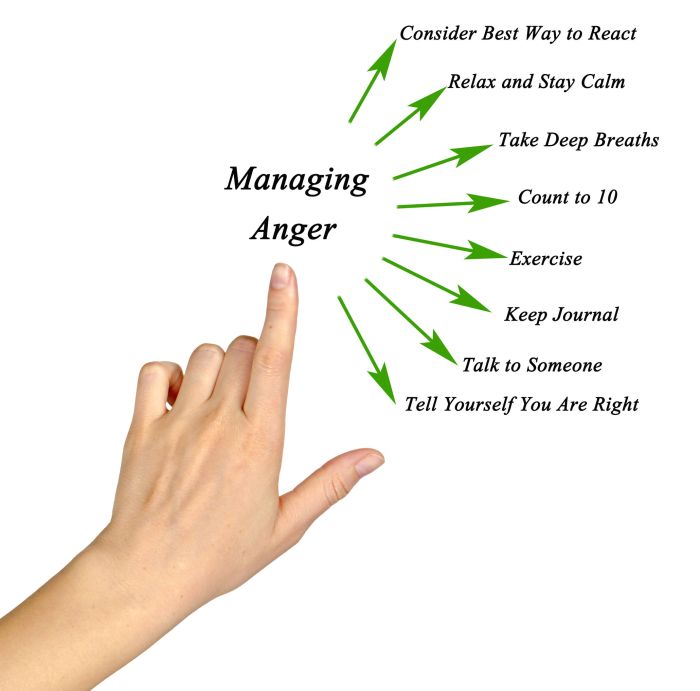
Therapy for anger management offers a pathway to healthier emotional regulation. Understanding and managing anger isn’t about suppressing emotions; it’s about developing skills to navigate challenging situations and respond constructively. This exploration delves into various therapeutic approaches, coping mechanisms, and self-care strategies to help you cultivate a more peaceful and fulfilling life.
This guide covers a range of topics, from identifying personal anger triggers and implementing effective coping strategies to understanding the interplay between anger, stress, anxiety, and depression. We will also explore the benefits of mindfulness, stress reduction techniques, and the importance of seeking professional support when needed. The ultimate goal is to empower you with the tools and knowledge necessary to manage anger effectively and build emotional resilience.
Sleep and Mental Health’s Impact on Anger
Insufficient sleep significantly impacts our emotional regulation, often leading to increased irritability and anger. A lack of restorative sleep disrupts the delicate balance of neurochemicals in the brain, affecting mood and emotional responses. Understanding this connection is crucial for effectively managing anger.Sleep deprivation weakens our capacity to cope with stressors and increases our sensitivity to perceived threats, making us more prone to angry outbursts.
This is because sleep plays a vital role in consolidating memories, processing emotions, and restoring cognitive function. When sleep is compromised, these processes are impaired, leaving us vulnerable to heightened emotional reactivity.
The Importance of a Healthy Sleep Schedule for Anger Management
Maintaining a consistent sleep schedule is fundamental to effective anger management. Regularity helps regulate our internal biological clock, or circadian rhythm, which influences hormone production and overall mood stability. A consistent sleep pattern ensures sufficient time for the brain to process emotional experiences and consolidate memories, thereby reducing the likelihood of emotional overload and subsequent anger. Establishing a regular sleep-wake cycle contributes to emotional resilience and reduces reactivity to stressful situations.
Practical Tips for Improving Sleep Hygiene
Improving sleep hygiene involves adopting healthy sleep habits to promote better sleep quality. This includes establishing a relaxing bedtime routine, creating a conducive sleep environment (dark, quiet, and cool), and avoiding caffeine and alcohol before bed. Regular physical activity during the day, but not close to bedtime, can also improve sleep. Furthermore, ensuring sufficient exposure to natural light during the day can help regulate the circadian rhythm and improve sleep quality.
Managing Sleep Disturbances that Exacerbate Anger Issues
Sleep disturbances, such as insomnia or sleep apnea, can significantly exacerbate anger issues. Addressing these underlying sleep problems is crucial for effective anger management. Cognitive behavioral therapy for insomnia (CBT-I) is a proven effective treatment for insomnia, teaching individuals strategies to improve sleep independently. For sleep apnea, seeking medical advice and treatment, such as using a CPAP machine, is essential.
Addressing these sleep problems can reduce the irritability and emotional dysregulation often associated with sleep deprivation.
The Impact of Various Sleep Disorders on Anger Management and Emotional Regulation
Various sleep disorders can negatively impact anger management and emotional regulation. Insomnia, characterized by difficulty falling asleep or staying asleep, is linked to increased irritability and emotional reactivity. Sleep apnea, a condition involving pauses in breathing during sleep, disrupts sleep quality and can lead to daytime sleepiness, fatigue, and mood disturbances, including increased anger. Narcolepsy, a neurological disorder causing excessive daytime sleepiness and sudden sleep attacks, can also impact emotional regulation and increase the likelihood of angry outbursts.
Proper diagnosis and treatment of these sleep disorders are essential for managing their impact on anger and emotional well-being.
Workplace Mental Health and Anger Management
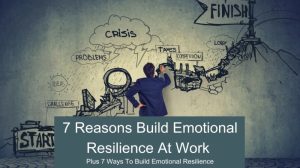
The workplace can be a significant source of stress, and unchecked anger can negatively impact productivity, teamwork, and overall well-being. Understanding the challenges of managing anger in a professional setting, and implementing effective strategies, is crucial for both individual employees and the organization as a whole. This section explores the complexities of workplace anger management, focusing on practical strategies and supportive resources.Workplace anger often stems from a confluence of factors including unrealistic deadlines, heavy workloads, interpersonal conflicts, and a lack of support.
These pressures can lead to outbursts, decreased morale, and strained relationships, ultimately impacting productivity and the overall work environment. Effective anger management in the workplace requires a multi-faceted approach, addressing both individual coping mechanisms and organizational support systems.
Strategies for Maintaining Professional Conduct While Managing Anger
Maintaining professionalism while experiencing anger requires a proactive approach. This involves developing self-awareness, implementing coping mechanisms, and utilizing available resources. Effective strategies include practicing mindfulness techniques to regulate emotional responses, taking short breaks to de-escalate, and engaging in healthy stress-reduction activities outside of work. Learning to communicate assertively, rather than aggressively, is also vital for resolving conflicts constructively.
For example, instead of yelling at a colleague, one might schedule a meeting to calmly discuss the issue at hand. This proactive approach prevents escalation and fosters a more positive work environment.
Examples of Workplace Policies and Resources that Support Mental Health
Many organizations are increasingly recognizing the importance of mental health support in the workplace. This translates into policies and resources designed to assist employees in managing stress and anger. Examples include Employee Assistance Programs (EAPs) offering confidential counseling and mental health services, stress management workshops and training programs, and flexible work arrangements to accommodate personal needs. Some companies even offer mindfulness training or meditation rooms to promote relaxation and emotional regulation.
A robust mental health policy should clearly Artikel these resources and encourage their utilization. For instance, a company might include a section in its employee handbook dedicated to mental health resources, providing contact information and outlining the benefits of seeking support.
Tips for Creating a Supportive and Understanding Work Environment
Creating a supportive workplace culture requires a commitment from both management and employees. This involves fostering open communication, promoting empathy and understanding, and establishing clear expectations for professional conduct. Regular team-building activities can strengthen relationships and improve communication, while training on conflict resolution can equip employees with the skills to manage disagreements constructively. Leaders should model healthy emotional regulation and encourage employees to seek help when needed, creating a safe space to discuss challenges without fear of judgment.
For example, a company might implement a policy where managers are trained to identify signs of employee stress and provide appropriate support or refer employees to the EAP.
Workplace Training Program Focused on Anger Management and Stress Reduction
A comprehensive workplace training program should address both the cognitive and behavioral aspects of anger management and stress reduction. The program could incorporate several modules: Module 1: Understanding Anger – exploring the triggers, physiological responses, and consequences of anger. Module 2: Cognitive Restructuring – learning to identify and challenge negative thought patterns that contribute to anger. Module 3: Communication Skills – developing assertive communication techniques for resolving conflicts effectively.
Module 4: Relaxation Techniques – practicing mindfulness, deep breathing exercises, and progressive muscle relaxation to manage stress and anxiety. Module 5: Stress Management Strategies – identifying personal stressors and implementing strategies for coping, such as time management, exercise, and healthy lifestyle choices. The program should also include role-playing exercises and real-life case studies to enhance learning and application. Regular follow-up sessions could reinforce learning and provide ongoing support.
Overcoming Addictions and Anger Management
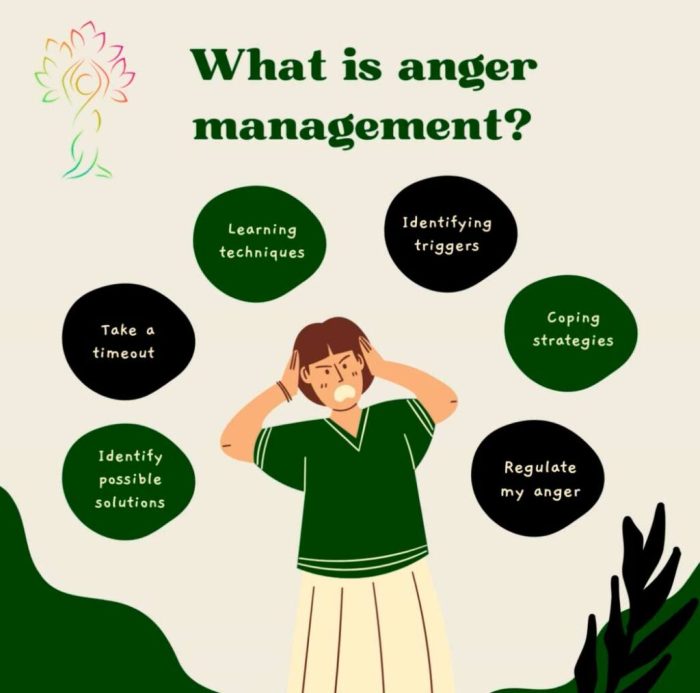
Anger and addiction frequently coexist, creating a complex cycle of destructive behaviors. Substance abuse can significantly impair emotional regulation, leading to heightened anger and aggression, while unresolved anger can fuel addictive behaviors as a coping mechanism. Understanding this interconnectedness is crucial for effective treatment and recovery.The impact of substance abuse on emotional regulation and anger control is profound. Alcohol, for instance, is a depressant that can initially reduce inhibitions, leading to impulsive anger outbursts.
However, prolonged alcohol use can disrupt brain chemistry, impacting the areas responsible for emotional processing and self-control. Similarly, stimulants can increase anxiety and irritability, making individuals more prone to anger. Opioids, while often associated with sedation, can also trigger aggression when withdrawal symptoms occur. The resulting emotional dysregulation makes it difficult to manage anger constructively, leading to a vicious cycle of substance use to cope with anger, and further anger stemming from the consequences of substance abuse.
Substance Abuse and Anger Management Treatment Options
Treatment for co-occurring substance abuse and anger issues typically involves a multi-faceted approach. This often includes individual therapy focusing on cognitive behavioral therapy (CBT) to identify and modify anger triggers and responses, and dialectical behavior therapy (DBT) to improve emotional regulation skills. Group therapy provides a supportive environment for sharing experiences and learning coping strategies from peers. Medication may also be used to address underlying mental health conditions like depression or anxiety that can contribute to anger and substance abuse.
In some cases, detoxification services are necessary to manage withdrawal symptoms safely before beginning therapy. The combination of these approaches aims to address both the addiction and the anger management issues concurrently, leading to more sustainable recovery.
Relapse Prevention and Maintaining Sobriety While Managing Anger
Relapse prevention strategies are essential for long-term success in overcoming both addiction and anger. This involves developing a strong support system, including family, friends, or support groups like Alcoholics Anonymous or Narcotics Anonymous. Regular attendance at therapy sessions and adherence to any prescribed medication are crucial. Furthermore, developing healthy coping mechanisms for anger, such as exercise, mindfulness techniques, or engaging in relaxing hobbies, can significantly reduce the risk of relapse triggered by anger.
Regular self-monitoring of moods and triggers, combined with a proactive plan for managing high-risk situations, can help individuals stay on track. Creating a relapse prevention plan with specific strategies and contingency plans for managing cravings and anger is vital.
Resources for Individuals Struggling with Addiction and Anger Management
Finding the right resources is vital for effective treatment. It’s important to remember that recovery is a journey, and seeking help is a sign of strength.
- Substance Abuse and Mental Health Services Administration (SAMHSA): Provides a national helpline (1-800-662-HELP) and online resources for locating treatment facilities and support groups.
- National Institute on Alcohol Abuse and Alcoholism (NIAAA): Offers information and resources on alcohol abuse and its effects on mental health.
- National Institute on Drug Abuse (NIDA): Provides information and resources on drug abuse and addiction.
- Alcoholics Anonymous (AA) and Narcotics Anonymous (NA): Peer support groups offering mutual support and guidance.
- Local mental health clinics and hospitals: Offer a range of services, including therapy, medication management, and detoxification.
Personal Growth and Self-Care Strategies: Therapy For Anger Management
Managing anger effectively is not solely about controlling outbursts; it’s deeply intertwined with nurturing overall well-being. Self-care isn’t selfish; it’s a crucial foundation for building resilience and developing healthy coping mechanisms, ultimately leading to better anger management. By prioritizing self-care, we equip ourselves with the tools to navigate challenging emotions and build a more fulfilling life.Self-care practices significantly impact stress reduction and emotional regulation, directly influencing our ability to manage anger.
Neglecting self-care often leads to increased stress, irritability, and a heightened susceptibility to anger. Conversely, consistent self-care fosters emotional stability and provides a buffer against the triggers that might otherwise escalate into anger.
The Importance of Self-Care in Anger Management
Self-care is the proactive investment in our physical and mental health, providing the resources needed to manage stress and negative emotions. It’s about understanding our individual needs and consciously engaging in activities that replenish our energy and promote a sense of calm. For example, regular exercise releases endorphins, naturally reducing stress and improving mood. Sufficient sleep allows our brains to process emotions effectively, decreasing irritability and improving our capacity for rational thought.
Prioritizing self-care reduces the likelihood of anger outbursts by building emotional resilience and enhancing our ability to cope with challenging situations. This proactive approach to well-being is essential for long-term anger management success.
Various Self-Care Practices for Stress Reduction and Emotional Regulation
A balanced self-care plan encompasses various approaches tailored to individual needs. Mindfulness practices, such as meditation or deep breathing exercises, can help us become more aware of our emotions and responses, allowing us to intervene before anger escalates. Engaging in hobbies and activities we enjoy – whether it’s painting, playing music, or spending time in nature – provides a much-needed break from stressors and promotes relaxation.
Connecting with supportive friends and family fosters a sense of belonging and provides an outlet for emotional expression. Adequate sleep, healthy nutrition, and regular physical activity form the cornerstone of a healthy lifestyle that directly supports emotional regulation and reduces stress levels.
Healthy Coping Mechanisms and Strategies for Managing Negative Emotions
Effective coping mechanisms involve learning to identify and manage negative emotions constructively. Journaling provides a safe space to process feelings and gain self-awareness. Progressive muscle relaxation techniques can help reduce physical tension associated with stress and anger. Cognitive restructuring involves challenging negative thought patterns and replacing them with more balanced and realistic perspectives. For instance, instead of thinking “This is always happening to me,” one might reframe the thought to “This is a challenging situation, but I can find a way to cope with it.” Learning assertive communication skills allows us to express our needs and boundaries respectfully, reducing the likelihood of conflict and anger.
Personal Growth Activities Contributing to Improved Self-Esteem and Anger Management
Personal growth activities play a vital role in building self-esteem and improving anger management. Setting realistic goals and achieving them fosters a sense of accomplishment and self-efficacy. Seeking professional support, such as therapy or counseling, provides guidance and tools for managing anger and improving emotional intelligence. Engaging in activities that promote self-discovery and self-acceptance, such as journaling or mindfulness practices, help us cultivate self-compassion and improve our relationship with ourselves.
Learning to forgive ourselves and others can significantly reduce the burden of resentment and anger, promoting emotional healing and personal growth.
A Personalized Self-Care Plan Incorporating Anger Management Techniques, Therapy for anger management
Creating a personalized self-care plan requires identifying individual needs and preferences. For example, someone might incorporate daily meditation, regular exercise, and weekly social engagements. Another individual might prioritize journaling, spending time in nature, and seeking professional therapy. The key is consistency and making self-care a non-negotiable part of daily life. This plan should integrate anger management techniques such as deep breathing exercises, cognitive restructuring, and assertive communication strategies.
Regularly reviewing and adjusting the plan based on individual needs and progress ensures its ongoing effectiveness in managing anger and promoting overall well-being. This personalized approach ensures the self-care plan is sustainable and effective in managing anger and improving overall well-being.
Ultimately, mastering anger management is a journey of self-discovery and growth. By understanding your triggers, implementing effective coping mechanisms, and seeking professional support when necessary, you can cultivate emotional resilience and create a more peaceful and fulfilling life. Remember that seeking help is a sign of strength, not weakness. Embrace the process, celebrate your progress, and remember that lasting change is achievable with consistent effort and self-compassion.
Key Questions Answered
Is anger management therapy right for me?
If anger significantly impacts your life, relationships, or well-being, therapy can be beneficial. It’s helpful for anyone seeking to improve emotional regulation and communication skills.
How long does anger management therapy typically last?
The duration varies depending on individual needs and goals. Some individuals may benefit from short-term therapy, while others may require longer-term support.
What if I don’t feel comfortable sharing personal details with a therapist?
Therapists prioritize client confidentiality. You can discuss your comfort level and collaboratively establish boundaries to ensure a safe and productive therapeutic relationship.
Can I do anger management therapy online?
Yes, many therapists offer telehealth services, providing convenient and accessible therapy options.
Are there any potential side effects of anger management therapy?
While generally safe and effective, some individuals may experience temporary emotional discomfort as they process their emotions during therapy. This is usually addressed within the therapeutic process.