The Role of Sleep in Mental Health Recovery

The role of sleep in mental health recovery is paramount. Insufficient sleep significantly impacts mental well-being, exacerbating conditions like anxiety and depression, while adequate rest fosters emotional regulation, cognitive function, and overall resilience. This exploration delves into the intricate relationship between sleep and mental health, examining the physiological connections, practical strategies for sleep improvement, and the crucial role of sleep in various therapeutic approaches.
Understanding this connection is key to fostering holistic mental health recovery. From exploring the impact of sleep disorders on mental health outcomes to outlining practical sleep hygiene practices and discussing the integration of sleep improvement into comprehensive treatment plans, this comprehensive guide provides valuable insights and actionable steps toward better mental and physical health.
The Importance of Sleep in Mental Health Recovery
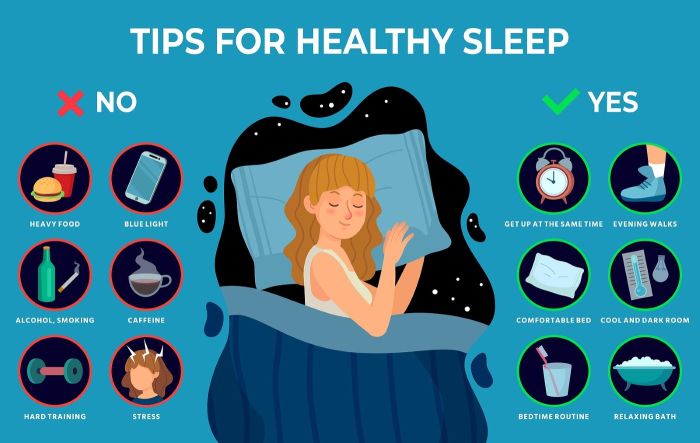
Sleep is a fundamental biological need, crucial not only for physical health but also for mental well-being. A consistent lack of sufficient, quality sleep significantly impacts mental health, hindering recovery from various conditions and exacerbating existing symptoms. Understanding this connection is vital for effective mental health treatment and self-care.
The Physiological Connection Between Sleep Deprivation and Mental Health Conditions
Sleep deprivation disrupts the delicate balance of neurotransmitters and hormones essential for emotional regulation and cognitive function. Reduced sleep leads to imbalances in serotonin and norepinephrine, neurochemicals linked to mood regulation. Insufficient sleep also affects the hypothalamic-pituitary-adrenal (HPA) axis, the system responsible for managing stress responses. Chronic sleep loss can lead to heightened cortisol levels, the primary stress hormone, contributing to anxiety, depression, and irritability.
Furthermore, sleep plays a critical role in memory consolidation and synaptic plasticity, processes crucial for learning, memory, and cognitive performance. Sleep deprivation impairs these processes, leading to difficulties with concentration, attention, and decision-making, common symptoms in many mental health conditions.
The Impact of Sleep Disorders on Mental Health Recovery
Sleep disorders, such as insomnia and sleep apnea, significantly impede mental health recovery. Insomnia, characterized by difficulty falling asleep, staying asleep, or experiencing non-restorative sleep, is frequently comorbid with anxiety and depression. The chronic stress and lack of restorative sleep associated with insomnia can worsen existing mental health symptoms and hinder recovery efforts. Sleep apnea, a condition marked by pauses in breathing during sleep, disrupts sleep architecture and can lead to daytime sleepiness, fatigue, and cognitive impairment.
These symptoms further exacerbate existing mental health issues and create additional challenges for individuals seeking recovery. The fragmented and poor-quality sleep associated with sleep apnea can also negatively impact mood, increase irritability, and contribute to feelings of hopelessness.
Examples of How Sufficient Sleep Improves Mood, Cognitive Function, and Emotional Regulation
Adequate sleep allows the brain to consolidate memories, process emotions, and regulate neurotransmitter levels. Individuals who consistently get enough sleep tend to experience improved mood, increased energy levels, and enhanced cognitive function. They often report better concentration, improved memory, and enhanced decision-making abilities. Emotional regulation also improves with sufficient sleep; individuals are better equipped to manage stress, handle challenging situations, and maintain emotional stability.
For example, a study published in the journal
- Sleep* showed a significant correlation between increased sleep duration and reduced symptoms of depression and anxiety in a sample of college students. Another study in the
- American Journal of Psychiatry* demonstrated that individuals with insomnia who participated in a cognitive behavioral therapy for insomnia (CBT-I) program experienced significant improvements in both sleep quality and depressive symptoms.
Comparative Effects of Adequate Sleep Versus Sleep Deprivation on Mental Health Symptoms
| Symptom | Adequate Sleep | Sleep Deprivation | Clinical Significance |
|---|---|---|---|
| Mood | Improved mood, reduced irritability | Increased irritability, anxiety, depression | Stable mood is essential for emotional well-being; mood instability is a key indicator of various mental health conditions. |
| Cognitive Function | Improved concentration, memory, and decision-making | Impaired concentration, memory problems, difficulty with decision-making | Cognitive impairment significantly impacts daily functioning and recovery progress. |
| Emotional Regulation | Enhanced ability to manage stress and emotions | Reduced emotional control, increased emotional reactivity | Emotional dysregulation is a core feature of many mental illnesses. |
| Stress Response | Lower cortisol levels, reduced stress reactivity | Elevated cortisol levels, heightened stress response | Chronic stress exacerbates mental health symptoms and hinders recovery. |
Sleep Hygiene Practices for Enhanced Mental Well-being
Prioritizing sleep hygiene is crucial for improving mental well-being. Consistent sleep patterns, a relaxing bedtime routine, a healthy lifestyle, and a conducive sleep environment all contribute significantly to better sleep quality and, consequently, improved mental health. Neglecting these aspects can exacerbate existing mental health challenges and hinder recovery.
Establishing a Consistent Sleep Schedule
A regular sleep schedule is foundational to good sleep hygiene. Maintaining consistency, even on weekends, helps regulate your body’s natural sleep-wake cycle (circadian rhythm), promoting more restful sleep and preventing sleep disturbances. Gradually shifting your sleep and wake times, rather than making drastic changes, is key to successful implementation. For example, if you want to wake up earlier, aim to shift your wake-up time by 15 minutes earlier each day until you reach your desired time.
Similarly, adjust your bedtime accordingly to maintain the same amount of sleep.
Creating a Relaxing Bedtime Routine
Developing a consistent bedtime routine signals to your body that it’s time to wind down and prepare for sleep. This routine should be calming and relaxing, avoiding stimulating activities. Examples include a warm bath, reading a book (physical, not electronic), listening to calming music, or practicing gentle stretching or yoga. The routine should be performed consistently each night, ideally for at least 30 minutes before bed.
Avoiding screen time (phones, tablets, computers, televisions) at least an hour before bed is also highly recommended, as the blue light emitted from these devices can interfere with melatonin production, a hormone crucial for sleep regulation.
The Role of Diet and Exercise in Improving Sleep Quality
Diet and exercise significantly influence sleep quality. Regular physical activity can improve sleep, but intense workouts close to bedtime can be counterproductive. Aim for at least 30 minutes of moderate-intensity exercise most days of the week, preferably earlier in the day. Regarding diet, avoid large meals, caffeine, and alcohol close to bedtime. Caffeine and alcohol can disrupt sleep patterns, while large meals can lead to indigestion and discomfort that interfere with sleep.
A balanced diet rich in fruits, vegetables, and whole grains is generally beneficial for overall health and sleep.
Impact of Environmental Factors on Sleep
Environmental factors significantly impact sleep quality. A dark, quiet, and cool bedroom is ideal. Minimize light exposure before bed by using blackout curtains or an eye mask. Reduce noise by using earplugs or a white noise machine if necessary. The ideal sleep temperature is typically between 60-67 degrees Fahrenheit (15-19 degrees Celsius).
Maintaining a comfortable temperature in the bedroom can significantly contribute to better sleep. Consider investing in a comfortable mattress and pillows to support your body properly throughout the night. A clean and well-ventilated bedroom is also important for promoting restful sleep.
Integrating Sleep Improvement into Mental Health Treatment Plans
Effective mental health treatment increasingly recognizes the crucial link between sleep and overall well-being. Addressing sleep disturbances is no longer considered a secondary concern but a vital component of a comprehensive treatment strategy, significantly impacting the efficacy of other therapeutic interventions. Ignoring sleep problems can hinder progress and even exacerbate existing mental health conditions.The role of healthcare professionals in identifying and addressing sleep issues is paramount.
Mental health professionals, including psychiatrists, psychologists, and therapists, are uniquely positioned to assess sleep patterns alongside mental health symptoms. They can identify potential sleep disorders, such as insomnia, sleep apnea, or circadian rhythm disturbances, that frequently co-occur with mental illnesses like depression, anxiety, and bipolar disorder. Furthermore, they can educate patients about the importance of sleep hygiene and guide them toward effective sleep improvement strategies.
Therapeutic Approaches Incorporating Sleep Improvement Strategies
Cognitive Behavioral Therapy for Insomnia (CBT-I) is a widely recognized and effective therapy specifically designed to address insomnia. CBT-I focuses on identifying and modifying unhelpful thoughts and behaviors related to sleep, such as worrying in bed or engaging in excessive screen time before sleep. It teaches patients relaxation techniques, sleep restriction therapy (gradually adjusting sleep schedules), and stimulus control (creating a consistent sleep environment conducive to rest).
Another approach involves incorporating mindfulness and meditation practices into treatment plans. These techniques can promote relaxation, reduce stress and anxiety, and improve sleep quality. Furthermore, some therapists integrate sleep-promoting activities, such as regular exercise and exposure to natural light, into their overall treatment plans. These lifestyle changes can significantly contribute to improved sleep patterns.
Benefits of Combining Sleep Hygiene with Medication or Therapy, The role of sleep in mental health recovery
Combining sleep hygiene practices with medication or therapy often yields synergistic effects. For instance, patients taking antidepressants or anti-anxiety medications may experience improved sleep as a side effect. However, implementing good sleep hygiene alongside medication can further enhance sleep quality and reduce the severity of any residual sleep disturbances. Similarly, integrating sleep hygiene into therapy sessions can amplify the positive effects of CBT-I or other therapeutic approaches.
A consistent sleep schedule, a relaxing bedtime routine, and a conducive sleep environment can create a supportive framework for the therapeutic work being done, leading to more significant and lasting improvements in both sleep and mental health.
Communicating Sleep Concerns to a Therapist or Doctor
Effectively communicating sleep concerns is vital for receiving appropriate treatment. Before your appointment, keep a sleep diary for at least a week, noting your bedtime, wake-up time, time spent asleep, and any sleep disturbances or symptoms experienced. Note any medications you are taking, as well as any other relevant medical conditions. During the appointment, clearly articulate your sleep problems, using specific examples from your sleep diary to illustrate your difficulties.
For example, instead of saying “I have trouble sleeping,” you could say, “I usually go to bed around 11 pm, but I often lie awake for an hour or more before falling asleep. I also wake up several times during the night.” Don’t hesitate to ask questions about treatment options and the potential impact of sleep improvement on your overall mental health.
Open and honest communication is key to ensuring you receive the most effective and personalized care.
Stress and Anxiety Management Techniques Focused on Sleep
Stress and anxiety are significant barriers to restful sleep. Fortunately, several evidence-based techniques can help manage these conditions and pave the way for improved sleep quality. By incorporating these methods into a regular routine, individuals can cultivate a more relaxed state of mind, promoting better sleep and overall well-being.
Evidence-Based Stress Reduction Techniques for Better Sleep
Stress reduction techniques are crucial for improving sleep. These techniques aim to lower the physiological arousal associated with stress, allowing the body and mind to relax and prepare for sleep. Regular practice is key to experiencing their full benefits.
- Progressive Muscle Relaxation (PMR): This technique involves systematically tensing and releasing different muscle groups in the body. By focusing on the physical sensations of tension and release, individuals can learn to identify and alleviate muscle tension, a common contributor to sleep disturbances. For example, starting with the toes and working up to the head, tensing each muscle group for a few seconds before releasing, promotes deep relaxation.
- Deep Breathing Exercises: Slow, deep breathing activates the parasympathetic nervous system, responsible for the “rest and digest” response, counteracting the effects of stress hormones. Diaphragmatic breathing, focusing on expanding the abdomen with each inhale, is particularly effective. A simple example is inhaling deeply through the nose for a count of four, holding for two, and exhaling slowly through the mouth for four.
- Cognitive Behavioral Therapy for Insomnia (CBT-I): CBT-I is a structured therapeutic approach that addresses the thoughts and behaviors that contribute to insomnia. It involves identifying and changing unhelpful sleep-related thoughts and behaviors, such as worrying in bed or staying up late. A therapist guides the individual through techniques like stimulus control (associating the bed only with sleep) and sleep restriction (limiting time spent in bed to improve sleep efficiency).
Mindfulness Practices for Improved Sleep Quality and Anxiety Reduction
Mindfulness practices cultivate present moment awareness, reducing rumination and worry, common contributors to anxiety and sleep problems. These practices help shift focus away from racing thoughts, promoting a calmer mental state conducive to sleep.
- Mindful Breathing: Simply focusing on the sensation of breath entering and leaving the body can anchor attention to the present moment, preventing the mind from wandering into anxious thoughts. Paying attention to the rise and fall of the chest or abdomen, noting the temperature and texture of the air, can enhance this practice.
- Body Scan Meditation: This involves systematically bringing awareness to different parts of the body, noticing any sensations without judgment. By acknowledging physical sensations, individuals can release tension and cultivate a sense of groundedness, promoting relaxation. This could involve starting with the toes and moving up to the head, noticing any tension or discomfort without trying to change it.
- Loving-Kindness Meditation: This practice cultivates feelings of compassion and kindness, first towards oneself and then extending to others. This can reduce feelings of self-criticism and anxiety, creating a more peaceful and accepting inner landscape conducive to sleep.
Guided Meditation Script for Relaxation and Sleep
Guided meditation scripts provide a structured framework for relaxation and sleep. The calming voice and imagery guide the listener into a state of deep relaxation, promoting sleep onset.
“Find a comfortable position, either lying down or sitting. Close your eyes gently. Begin to notice your breath, the natural rhythm of inhaling and exhaling. With each inhale, feel a sense of calm washing over you. With each exhale, let go of any tension or worry. Imagine a peaceful scene, perhaps a quiet beach or a lush forest. Notice the details – the sounds, the sights, the sensations. Allow yourself to fully immerse in this peaceful place. Continue to focus on your breath, letting go of any thoughts that arise. Know that you are safe and relaxed. You are surrounded by peace and tranquility. As you continue to breathe deeply and evenly, allow yourself to drift off to sleep. Rest peacefully.”
Relaxation Techniques for a Bedtime Routine
Incorporating relaxation techniques into a consistent bedtime routine signals to the body that it’s time to wind down and prepare for sleep. Consistency is key to establishing a healthy sleep-wake cycle.
- Warm Bath or Shower: The slight drop in body temperature after a warm bath or shower can promote relaxation and sleepiness.
- Reading a Book: Engaging in a relaxing activity like reading can distract from worries and prepare the mind for sleep. Avoid screens, as their blue light can interfere with melatonin production.
- Listening to Calming Music: Soothing music can reduce stress and promote relaxation. Choose instrumental music with a slow tempo and calming melodies.
- Gentle Stretching or Yoga: Light stretching or yoga can release muscle tension and promote relaxation. Avoid strenuous exercise close to bedtime.
Depression Support Resources and Their Relationship to Sleep
Depression significantly impacts sleep patterns, often manifesting as insomnia (difficulty falling asleep or staying asleep), hypersomnia (excessive sleepiness), or disrupted sleep cycles. Addressing sleep disturbances is crucial for effective depression treatment, as poor sleep exacerbates depressive symptoms and hinders recovery. The interconnectedness of sleep and depression necessitates a holistic approach to treatment, integrating strategies to improve sleep quality alongside other therapeutic interventions.The relationship between depression and sleep is bidirectional.
Depression can lead to sleep problems, but conversely, poor sleep can worsen depressive symptoms, creating a vicious cycle. Individuals with depression may experience difficulty concentrating, reduced energy levels, and increased irritability, all of which are further amplified by sleep deprivation. Conversely, addressing sleep problems can significantly improve mood, energy levels, and cognitive function, making it easier to engage in other aspects of depression treatment, such as therapy and medication.
Examples of Support Groups and Online Communities
Many support groups and online communities focus on both depression and sleep. These platforms offer a safe space for individuals to share their experiences, connect with others facing similar challenges, and gain emotional support. Some examples include online forums dedicated to mental health, such as those hosted by the National Alliance on Mental Illness (NAMI), or groups specifically addressing insomnia alongside mood disorders.
These communities often feature peer-to-peer support, allowing individuals to learn coping mechanisms and strategies for managing both their depression and sleep problems from others who understand their struggles. Furthermore, some mental health apps include features that encourage sleep hygiene and offer opportunities for connection with other users.
Resources for Individuals Struggling with Depression and Insomnia
Several resources are available to assist individuals struggling with both depression and insomnia. These resources range from professional help, such as cognitive behavioral therapy for insomnia (CBT-I) and medication management, to self-help strategies and support groups. CBT-I, a type of therapy that focuses on changing unhelpful thoughts and behaviors related to sleep, has been proven effective in treating insomnia.
Additionally, some medications can help improve sleep, but these should always be used under the guidance of a healthcare professional, as they may interact with other medications used to treat depression. Therapists specializing in both sleep disorders and depression can provide comprehensive care, addressing both issues simultaneously. Many healthcare providers also offer referrals to sleep specialists or recommend helpful self-help resources.
Impact of Improved Sleep on Depression Treatment Effectiveness
Improved sleep significantly enhances the effectiveness of depression treatment. Sufficient sleep allows the brain to consolidate memories, process emotions, and repair itself, all crucial for recovery from depression. When sleep is improved, individuals often experience increased energy levels, improved mood, and better cognitive function, making them more receptive to therapy and more likely to adhere to their treatment plans.
This positive feedback loop, where improved sleep leads to better treatment outcomes, highlights the importance of addressing sleep issues as an integral part of a comprehensive depression treatment strategy. Studies have shown that individuals with depression who receive treatment for their sleep problems often experience a greater reduction in depressive symptoms compared to those who do not address their sleep issues.
Mindfulness Practices for Improved Sleep and Mental Well-being
Mindfulness, the practice of paying attention to the present moment without judgment, offers a powerful pathway to improving both sleep quality and overall mental well-being. By cultivating awareness of bodily sensations, thoughts, and emotions, mindfulness techniques can help regulate the body’s natural sleep-wake cycle and reduce the impact of stress and anxiety on sleep. This section explores how specific mindfulness practices can contribute to better sleep and improved mental health.Mindfulness techniques help regulate the body’s natural sleep-wake cycle by reducing the activity of the sympathetic nervous system, which is responsible for the “fight-or-flight” response.
Chronic stress and anxiety keep this system constantly activated, making it difficult to relax and fall asleep. Mindfulness helps shift the balance towards the parasympathetic nervous system, responsible for “rest and digest,” promoting relaxation and sleepiness.
The Benefits of Meditation and Deep Breathing Exercises for Better Sleep
Meditation and deep breathing exercises are core mindfulness practices that directly impact sleep. Meditation cultivates a state of focused attention, quieting the mind’s chatter and reducing racing thoughts that often interfere with sleep. Deep breathing, on the other hand, slows the heart rate and reduces physiological arousal, creating a sense of calm and promoting relaxation. The combined effect of these practices is a reduction in stress hormones like cortisol, paving the way for more restful sleep.
Studies have shown that regular meditation practice can significantly improve sleep quality, reducing sleep latency (the time it takes to fall asleep) and increasing total sleep time. Similarly, deep breathing exercises have been proven effective in managing insomnia and improving sleep efficiency.
A Step-by-Step Guide for Practicing Mindfulness Before Bed
Practicing mindfulness before bed can prepare your mind and body for sleep. A consistent routine is key. Here’s a step-by-step guide:
1. Find a comfortable position
Lie down in bed or sit in a comfortable chair.
2. Focus on your breath
Gently bring your attention to the sensation of your breath entering and leaving your body. Notice the rise and fall of your chest or abdomen.
3. Acknowledge your thoughts and feelings
As thoughts and feelings arise, simply acknowledge them without judgment. Don’t try to push them away; simply observe them like clouds passing in the sky.
4. Body scan
Gradually shift your attention to different parts of your body, noticing any sensations without trying to change them. Start with your toes and work your way up to your head.
5. Maintain gentle awareness
Continue to focus on your breath and bodily sensations for 5-10 minutes.
6. Gradually release your focus
As you feel ready, gently release your focus and allow yourself to drift off to sleep.
Comparison of Mindfulness Techniques and Their Effectiveness in Promoting Sleep
The following table compares different mindfulness techniques and their effectiveness in promoting sleep. Effectiveness is subjective and varies depending on individual experiences and consistency of practice.
| Mindfulness Technique | Description | Benefits for Sleep | Effectiveness Rating (Subjective) |
|---|---|---|---|
| Mindful Breathing | Focusing solely on the sensation of breath. | Slows heart rate, reduces anxiety, promotes relaxation. | High |
| Body Scan Meditation | Bringing awareness to different parts of the body, noticing sensations. | Reduces muscle tension, promotes relaxation, improves body awareness. | High |
| Guided Meditation (Sleep-focused) | Following a guided audio recording that leads you through relaxation and visualization. | Reduces racing thoughts, promotes mental calmness, facilitates sleep onset. | Medium-High |
| Progressive Muscle Relaxation | Systematically tensing and releasing different muscle groups. | Reduces physical tension, promotes relaxation, improves sleep quality. | Medium-High |
Mental Health Advocacy and the Importance of Sleep Awareness
Advocating for improved sleep health is crucial for enhancing mental well-being, as insufficient sleep significantly impacts mental health conditions. Raising public awareness about this connection is paramount to destigmatizing both sleep disorders and mental health issues, leading to earlier intervention and better treatment outcomes. This requires a multi-pronged approach involving individual actions, collaborative efforts from organizations, and policy changes.The role of advocacy in raising awareness involves educating the public, influencing policymakers, and supporting individuals affected by sleep problems and mental health conditions.
Effective advocacy campaigns highlight the strong link between sleep and mental health, providing clear information about the benefits of good sleep hygiene and the consequences of sleep deprivation. This involves challenging misconceptions and fostering a supportive environment where individuals feel comfortable seeking help.
Key Organizations Involved in Promoting Sleep Health and Mental Well-being
Several organizations play a vital role in promoting sleep health and mental well-being. These groups often collaborate to disseminate information, fund research, and advocate for policy changes. Their combined efforts contribute significantly to raising awareness and improving access to resources.
- The National Sleep Foundation: This organization conducts research, provides educational resources, and advocates for policies that promote sleep health.
- The American Academy of Sleep Medicine (AASM): The AASM focuses on the advancement of sleep medicine through research, education, and advocacy.
- The National Alliance on Mental Illness (NAMI): NAMI works to improve the lives of individuals and families affected by mental illness, often incorporating sleep health into their educational materials and advocacy efforts.
- The Mental Health America (MHA): MHA is another key organization dedicated to addressing mental health concerns, recognizing the integral role of sleep in overall mental well-being.
Strategies for Advocating for Improved Access to Sleep-Related Resources and Treatments
Advocacy efforts should focus on increasing access to evidence-based sleep treatments and resources. This includes advocating for:
- Increased insurance coverage for sleep disorder evaluations and treatments, including Cognitive Behavioral Therapy for Insomnia (CBT-I).
- Greater availability of sleep specialists and trained mental health professionals equipped to address sleep issues.
- Funding for research into the causes, treatments, and prevention of sleep disorders.
- Public awareness campaigns that emphasize the importance of sleep hygiene and the connection between sleep and mental health.
The Importance of Public Education Campaigns to Destigmatize Sleep Problems and Mental Health Issues
Public education campaigns are essential for destigmatizing sleep problems and mental health issues. These campaigns should utilize various media channels to reach diverse populations, conveying accurate information in an accessible and engaging manner. Effective campaigns:
- Highlight the prevalence of sleep disorders and mental health conditions, demonstrating that these are common experiences.
- Emphasize that seeking help is a sign of strength, not weakness.
- Provide practical tips and strategies for improving sleep hygiene and managing mental health challenges.
- Showcase success stories of individuals who have successfully addressed their sleep problems and improved their mental health.
Therapy and Counseling Options for Sleep-Related Mental Health Concerns
Sleep disturbances frequently accompany mental health conditions, creating a vicious cycle where poor sleep exacerbates symptoms and vice versa. Fortunately, various therapeutic approaches effectively address these intertwined issues, promoting both better sleep and improved mental well-being. These therapies often focus on identifying and modifying the thoughts, behaviors, and environmental factors that contribute to sleep problems.Cognitive Behavioral Therapy for Insomnia (CBT-I) is a highly effective, evidence-based treatment for insomnia.
It’s a structured, short-term therapy that typically involves 6-8 sessions. CBT-I helps individuals identify and change negative thoughts and behaviors that interfere with sleep. This approach empowers individuals to take control of their sleep problems, rather than relying solely on medication.
Cognitive Behavioral Therapy for Insomnia (CBT-I) and its Effectiveness
CBT-I employs several techniques to improve sleep. These include sleep restriction therapy, which involves gradually reducing time spent in bed to consolidate sleep and improve sleep efficiency. Stimulus control therapy aims to recondition the bedroom environment to be associated solely with sleep and sex, removing activities like working or watching television from the bedroom. Relaxation techniques, such as progressive muscle relaxation and meditation, are also integrated to manage stress and anxiety that may interfere with sleep.
Numerous studies have demonstrated the long-term effectiveness of CBT-I in improving sleep quality and reducing insomnia symptoms, often surpassing the effects of medication alone. For example, a meta-analysis published in the journal
Sleep Medicine Reviews* showed that CBT-I resulted in significantly greater improvements in sleep compared to placebo treatments.
The Role of a Therapist in Developing Personalized Sleep Improvement Strategies
A therapist plays a crucial role in guiding individuals through the process of CBT-I or other suitable therapies. They conduct thorough assessments to understand the individual’s unique sleep patterns, mental health concerns, and lifestyle factors contributing to sleep problems. Based on this assessment, the therapist collaboratively develops a personalized treatment plan, tailoring the techniques and strategies to the individual’s specific needs and preferences.
This individualized approach is essential because sleep disturbances often stem from a complex interplay of factors. The therapist also provides ongoing support and guidance, helping individuals overcome challenges and maintain improvements in their sleep. Regular monitoring and adjustments to the treatment plan ensure its continued effectiveness.
Combining Therapy with Other Treatments for Sleep Disorders
In some cases, combining therapy with other treatments may be beneficial. For instance, individuals with severe insomnia may benefit from combining CBT-I with medication, such as hypnotics or other sleep aids. However, it’s important to note that medication should be used cautiously and under the guidance of a physician, ideally in conjunction with therapy to address the underlying causes of the sleep disorder.
Other complementary approaches, such as improving sleep hygiene practices or incorporating mindfulness techniques, can also enhance the effectiveness of therapy. A holistic approach that addresses both the mental health concerns and sleep problems simultaneously often yields the best outcomes. The therapist’s expertise is vital in coordinating these various treatments and ensuring a cohesive and effective approach.
Ultimately, prioritizing sleep is not merely about achieving restful nights; it’s an investment in long-term mental well-being. By understanding the profound impact of sleep on mental health recovery and implementing the strategies discussed, individuals can pave the way for improved emotional regulation, cognitive clarity, and increased resilience in the face of mental health challenges. A holistic approach that integrates sleep hygiene with appropriate therapy and self-care practices offers a powerful path toward sustained mental health and overall well-being.
Clarifying Questions: The Role Of Sleep In Mental Health Recovery
How much sleep do I need for optimal mental health?
Most adults benefit from 7-9 hours of quality sleep per night. Individual needs may vary, however.
What if I consistently struggle to fall asleep?
Consult a healthcare professional. Underlying medical conditions or sleep disorders may be contributing factors. They can help determine the best course of action.
Are there natural remedies to improve sleep?
Yes, practicing good sleep hygiene (consistent sleep schedule, relaxing bedtime routine, comfortable sleep environment), regular exercise, and mindfulness techniques can significantly improve sleep quality. However, it’s important to discuss any natural remedies with a doctor before implementing them.
Can sleep problems be a symptom of a mental health condition?
Absolutely. Many mental health conditions, such as anxiety, depression, and PTSD, are often accompanied by sleep disturbances. Addressing these sleep issues is a crucial component of effective treatment.