Creating a Mentally Healthy Workplace
Creating a mentally healthy workplace is not merely a trend; it’s a fundamental shift towards prioritizing employee well-being and fostering a productive, supportive environment. This approach recognizes the inextricable link between mental health and overall workplace success, acknowledging that thriving employees contribute to a thriving organization. By understanding the multifaceted challenges and implementing effective strategies, businesses can cultivate a culture where mental health is valued, supported, and prioritized.
This exploration delves into practical strategies for stress management, readily available resources for employees facing mental health challenges, and the crucial role of leadership in fostering a supportive and understanding work environment. We’ll examine the benefits of mindfulness, the importance of resilience, and the impact of factors like sleep and substance use on mental well-being. Ultimately, the goal is to provide a comprehensive guide to creating a workplace where every employee feels valued, supported, and empowered to thrive both personally and professionally.
Defining a Mentally Healthy Workplace: Creating A Mentally Healthy Workplace
A mentally healthy workplace is more than just the absence of mental health issues; it’s a proactive and supportive environment where employee well-being is prioritized and actively fostered. It’s a culture that recognizes the interconnectedness of mental and physical health and understands that a thriving workforce is a mentally healthy workforce.
Characteristics of a Mentally Healthy Workplace Environment
A mentally healthy workplace is characterized by several key features. Open communication is crucial, allowing employees to comfortably discuss challenges without fear of judgment or reprisal. This includes transparent leadership that models healthy coping mechanisms and actively addresses workplace stressors. Furthermore, a supportive culture emphasizes collaboration, teamwork, and a sense of belonging, fostering a positive and inclusive environment.
Work-life balance is respected and encouraged, preventing burnout and promoting overall well-being. Finally, readily available resources and support systems, such as Employee Assistance Programs (EAPs) and mental health training, are vital components of a truly supportive environment.
Benefits of Prioritizing Mental Well-being in the Workplace
Prioritizing mental well-being offers significant benefits to both employees and employers. For employees, it leads to increased job satisfaction, improved productivity and engagement, reduced absenteeism and presenteeism (being physically present but not fully engaged), and a greater sense of overall well-being. For employers, a mentally healthy workforce translates into increased productivity, reduced healthcare costs (due to fewer sick days and lower stress-related illnesses), improved employee retention, enhanced company reputation, and a stronger, more resilient organization.
Studies consistently show a positive correlation between employee well-being and company profitability.
Potential Negative Consequences of Neglecting Mental Health in the Workplace
Neglecting mental health in the workplace carries significant risks. High stress levels, burnout, and depression can lead to decreased productivity, increased absenteeism and presenteeism, higher employee turnover, and increased healthcare costs for both the employee and the employer. A toxic work environment characterized by bullying, harassment, or discrimination can severely damage employee morale and create a climate of fear and distrust, ultimately impacting the bottom line.
Ignoring mental health concerns can also lead to legal liabilities and reputational damage. For example, a company failing to address employee burnout that results in serious health consequences could face legal action.
Essential Elements for a Mentally Healthy Workplace
Creating a mentally healthy workplace requires a multi-faceted approach. The following checklist Artikels essential elements:
- Promote Open Communication: Establish clear channels for communication and encourage employees to openly discuss concerns.
- Provide Mental Health Resources: Offer access to Employee Assistance Programs (EAPs), mental health professionals, and stress management resources.
- Foster a Supportive Culture: Encourage teamwork, collaboration, and a sense of belonging through team-building activities and inclusive practices.
- Promote Work-Life Balance: Encourage employees to take breaks, use vacation time, and disconnect after work hours.
- Address Workplace Stressors: Proactively identify and mitigate sources of stress in the workplace, such as excessive workload or unreasonable deadlines.
- Provide Mental Health Training: Offer training to managers and employees on recognizing and addressing mental health issues.
- Lead by Example: Leaders should model healthy behaviors and prioritize their own well-being.
Stress and Anxiety Management in the Workplace
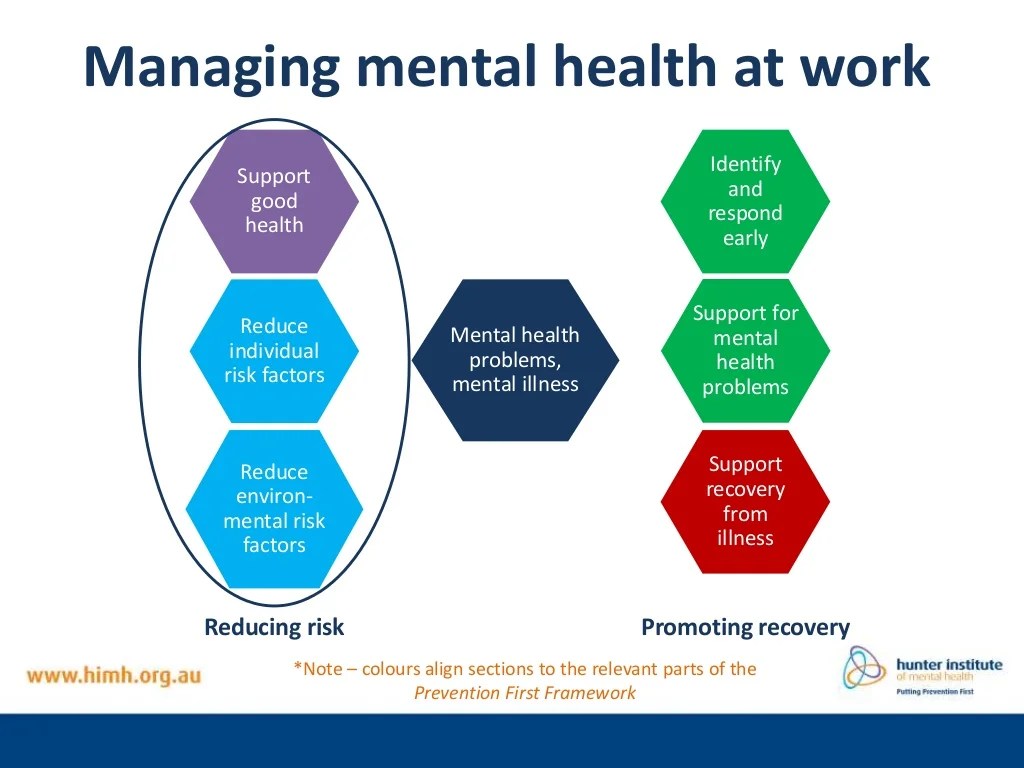
Stress and anxiety are increasingly prevalent in today’s demanding work environments. Understanding their sources and implementing effective coping strategies is crucial for fostering a mentally healthy workplace and supporting employee well-being. This section explores practical strategies for managing stress and anxiety, highlighting common workplace stressors and effective coping mechanisms.
Workplace Stressors and Their Impact on Mental Health
Numerous factors within the workplace can contribute to stress and anxiety. These stressors can significantly impact mental health, leading to decreased productivity, burnout, and even physical health problems. Examples include heavy workloads and long hours, leading to feelings of overwhelm and exhaustion. Lack of control over one’s work, unclear expectations, or insufficient resources can also create significant stress.
Furthermore, workplace conflict, bullying, or harassment can have devastating effects on mental well-being, fostering feelings of anxiety, isolation, and insecurity. The cumulative effect of these stressors can manifest in various ways, including irritability, difficulty concentrating, sleep disturbances, and increased susceptibility to illness.
Practical Strategies for Managing Stress and Anxiety
Implementing practical strategies can significantly mitigate the impact of workplace stress and anxiety. These strategies can be broadly categorized into individual coping mechanisms and organizational initiatives. Individual strategies focus on personal techniques for managing stress, such as practicing mindfulness and meditation to promote relaxation and emotional regulation. Regular exercise, a balanced diet, and sufficient sleep are also vital for maintaining physical and mental health.
Time management techniques, like prioritization and task delegation, can help individuals feel more in control and less overwhelmed. Seeking support from friends, family, or mental health professionals is crucial for processing challenging emotions and developing effective coping skills.
Effective Coping Mechanisms for Workplace-Related Anxiety, Creating a mentally healthy workplace
Several effective coping mechanisms can help employees navigate workplace-related anxiety. Deep breathing exercises can help calm the nervous system in stressful situations. Progressive muscle relaxation involves systematically tensing and releasing muscle groups to reduce physical tension associated with anxiety. Cognitive restructuring involves identifying and challenging negative or unhelpful thought patterns that contribute to anxiety. This technique helps replace anxious thoughts with more realistic and balanced perspectives.
Practicing mindfulness and meditation can increase self-awareness and emotional regulation, helping individuals respond to stressful situations more calmly. Engaging in activities outside of work that promote relaxation and enjoyment can provide a much-needed break from work-related pressures and enhance overall well-being.
A Step-by-Step Guide to Stress Reduction
Implementing stress-reduction techniques effectively requires a structured approach. This step-by-step guide provides a framework for employees to integrate stress-management strategies into their daily routines.
- Identify Stressors: Begin by identifying specific workplace stressors that contribute to your anxiety. Keep a journal to track stressful situations and your emotional responses.
- Prioritize and Delegate: Prioritize tasks based on urgency and importance. Learn to delegate tasks where possible to alleviate your workload.
- Time Management Techniques: Implement time management strategies, such as the Pomodoro Technique, to enhance focus and productivity.
- Mindfulness and Meditation: Incorporate mindfulness and meditation practices into your daily routine, even for short periods, to promote relaxation and reduce stress.
- Physical Activity: Engage in regular physical activity, such as walking, running, or yoga, to reduce stress and improve overall well-being.
- Seek Support: Don’t hesitate to seek support from colleagues, friends, family, or mental health professionals when needed.
Depression Support Resources and Workplace Policies
Supporting employees experiencing depression is crucial for fostering a mentally healthy workplace. A proactive approach, including readily available resources and supportive policies, can significantly improve employee well-being and productivity. This section details resources, potential barriers to accessing help, a sample policy, and information on Employee Assistance Programs (EAPs).
Available Resources for Employees Experiencing Depression
Numerous resources can assist employees struggling with depression. These include internal resources such as access to Employee Assistance Programs (EAPs), mental health professionals on staff or through telehealth options, and mental health awareness training programs. External resources encompass community mental health centers, private therapists, support groups (both in-person and online), and national helplines offering immediate support and information. Furthermore, many organizations offer flexible work arrangements, such as adjusted schedules or remote work options, which can be particularly beneficial during periods of depression.
Access to these resources should be clearly communicated to employees through company intranets, newsletters, and regular training sessions.
Barriers to Accessing Mental Health Support in the Workplace
Several barriers can prevent employees from seeking help for depression. Stigma surrounding mental health remains a significant obstacle, with many fearing judgment or negative consequences to their career progression if they disclose their condition. Lack of awareness about available resources, coupled with concerns about confidentiality and the potential impact on their job security, can also deter employees. Financial constraints, including the cost of therapy or medication, may further limit access to support.
Finally, practical barriers such as limited access to technology or inflexible work arrangements can make it difficult to attend appointments or utilize available resources effectively.
Sample Policy Outlining Support for Employees Dealing with Depression
This sample policy demonstrates a commitment to supporting employees experiencing depression:
“Our company recognizes that mental health is as important as physical health. Employees experiencing depression are entitled to the same consideration and support as those dealing with physical illnesses. We offer access to confidential Employee Assistance Programs (EAPs), flexible work arrangements where appropriate, and reasonable accommodations to facilitate treatment and recovery. We encourage open communication and provide training to managers to foster a supportive and understanding work environment. Discrimination against employees based on their mental health condition will not be tolerated. Confidential support and resources are available; please reach out to Human Resources or your supervisor for assistance.”
This policy should be readily accessible to all employees and regularly reviewed and updated to ensure its effectiveness.
Employee Assistance Programs (EAPs) and Their Benefits
Employee Assistance Programs (EAPs) are confidential services often provided by employers to support employees’ well-being. EAPs typically offer a range of services, including counseling, stress management workshops, and referrals to mental health professionals. The benefits of EAPs include confidential access to professional support, reduced stigma associated with seeking help, and convenient access to resources. EAPs can provide early intervention, helping employees manage their mental health before it significantly impacts their work or personal life.
They can also provide education and resources on various mental health issues, including depression, helping employees understand their condition and available treatment options. The cost-effectiveness of EAPs is often highlighted, as early intervention can prevent more costly issues such as absenteeism, reduced productivity, and potential legal issues down the line. Many EAPs offer online resources and telehealth options for added convenience.
Mindfulness Practices for Workplace Well-being
Cultivating mindfulness and incorporating meditation techniques can significantly improve workplace well-being by reducing stress and enhancing focus. These practices offer a proactive approach to managing the demands of a busy work environment, promoting a healthier and more productive work-life balance. The benefits extend beyond stress reduction, impacting overall mental clarity and emotional regulation.
Benefits of Mindfulness and Meditation in Reducing Workplace Stress
Mindfulness, the practice of paying attention to the present moment without judgment, and meditation, a technique to cultivate mindfulness, offer several scientifically-backed benefits in reducing workplace stress. Studies show that regular mindfulness meditation can lower cortisol levels (the stress hormone), decrease blood pressure, and improve emotional regulation. This translates to increased resilience to workplace stressors, improved concentration, and a greater sense of calm and control.
Furthermore, by increasing self-awareness, individuals can better identify and manage their stress triggers, leading to more effective coping mechanisms. The cumulative effect is a more balanced and productive work experience.
Guided Meditation Scripts Suitable for a Workplace Setting
The following are examples of short guided meditations adaptable to a workplace setting. These scripts emphasize brief, easily accessible practices that can be integrated into a busy workday without requiring extensive time commitment. Remember to find a quiet space, sit comfortably, and focus on your breath.
Body Scan Meditation (5 minutes)
Begin by noticing your breath. Slowly bring your awareness to your body, starting with your toes. Notice any sensations—tingling, warmth, coolness—without judgment. Gradually move your attention up your body, noticing your feet, ankles, calves, knees, and so on, all the way to the top of your head. If your mind wanders, gently guide it back to your body.
When finished, take a few deep breaths and gently return to your day.
Mindful Breathing Meditation (3 minutes)
Find a comfortable position. Close your eyes gently. Bring your attention to your breath, noticing the sensation of the air entering and leaving your nostrils, the rise and fall of your chest or abdomen. If your mind wanders, simply acknowledge the thought and gently return your focus to your breath. Continue this for three minutes, then slowly open your eyes.
Loving-Kindness Meditation (2 minutes)
Begin by focusing on your breath. Then, silently repeat phrases of loving-kindness, starting with yourself: “May I be well, may I be peaceful, may I be happy.” Extend these phrases to loved ones, colleagues, neutral people, and even difficult individuals. This practice fosters compassion and reduces feelings of negativity or resentment.
Simple Mindfulness Exercises Incorporable into the Workday
Mindfulness doesn’t require lengthy sessions; brief moments of focused attention throughout the day can significantly impact well-being.A mindful walk during your lunch break, focusing on the sensation of your feet on the ground and the sights and sounds around you, can be incredibly restorative. Similarly, taking short breaks to stretch and focus on your breath can ease tension and improve focus.
Even a few minutes spent appreciating a pleasant view or listening to calming music can provide a moment of mindful respite. These short exercises help to create micro-moments of peace and clarity.
Schedule Integrating Mindfulness Practices into a Typical Workweek
Integrating mindfulness into a workweek requires a mindful approach to scheduling. Consistency is key. Here’s a sample schedule, adaptable to individual needs and preferences:
| Day | Morning | Midday | Afternoon | Evening (after work) |
|---|---|---|---|---|
| Monday | 5-minute mindful breathing | Mindful walk (15 minutes) | 5-minute body scan | 10-minute guided meditation |
| Tuesday | 3-minute mindful breathing | Mindful stretching (5 minutes) | Listen to calming music (10 minutes) | Yoga or stretching (15 minutes) |
| Wednesday | 5-minute mindful breathing | Mindful walk (15 minutes) | 5-minute body scan | 10-minute guided meditation |
| Thursday | 3-minute mindful breathing | Mindful stretching (5 minutes) | Listen to calming music (10 minutes) | Yoga or stretching (15 minutes) |
| Friday | 5-minute mindful breathing | Mindful walk (15 minutes) | 5-minute body scan | Relaxation techniques (15 minutes) |
Remember, this is a sample schedule. Adjust the timings and practices to fit your individual needs and preferences. The goal is to create a sustainable routine that supports your well-being.
Mental Health Advocacy and Leadership Roles
Leadership plays a pivotal role in fostering a mentally healthy workplace. A leader’s commitment to mental well-being sets the tone for the entire organization, influencing employee attitudes, behaviors, and ultimately, productivity. Effective leadership in this area isn’t simply about implementing policies; it’s about cultivating a culture of care and support.Leaders actively promoting mental health demonstrate a commitment to employee well-being, increasing employee trust and loyalty.
This, in turn, positively impacts productivity, reduces absenteeism, and fosters a more positive and collaborative work environment. Conversely, a lack of leadership support can create a culture of silence and stigma, hindering employees from seeking help and negatively impacting overall workplace health.
The Role of Leadership in Promoting Mental Health
Leaders are responsible for creating and maintaining a supportive environment where employees feel comfortable discussing mental health concerns without fear of judgment or retribution. This involves actively promoting mental health awareness through training programs, open communication, and visible support for employees struggling with mental health challenges. Effective leadership also entails ensuring access to appropriate resources, such as Employee Assistance Programs (EAPs) and mental health professionals.
Furthermore, leaders should model healthy coping mechanisms and prioritize their own well-being, demonstrating that mental health is a priority at all levels of the organization. This can include openly discussing personal experiences (where appropriate and comfortable), promoting work-life balance initiatives, and actively participating in mental health awareness campaigns.
Examples of Effective Mental Health Advocacy Initiatives
Several organizations have successfully implemented mental health advocacy initiatives. For example, some companies have established dedicated mental health champions within teams, responsible for promoting awareness and providing peer support. Others have launched internal communication campaigns using various channels (emails, intranet, posters) to destigmatize mental health issues and provide information about available resources. Some organizations have partnered with mental health organizations to offer workshops and training sessions on stress management, mindfulness, and resilience-building techniques.
A successful initiative might involve creating a confidential mental health hotline or offering flexible work arrangements to accommodate employees’ needs during challenging times. These initiatives demonstrate a commitment to proactive mental health support, rather than simply reacting to crises.
Strategies for Creating a Culture of Open Communication
Creating a culture of open communication about mental health requires a multifaceted approach. Leaders should actively encourage employees to share their concerns, emphasizing that seeking help is a sign of strength, not weakness. This involves establishing clear and accessible communication channels, such as regular team meetings dedicated to mental well-being discussions or anonymous feedback mechanisms. Regular training for managers on how to support employees with mental health concerns is crucial.
This training should cover topics such as recognizing signs of mental distress, engaging in empathetic conversations, and knowing when and how to refer employees to appropriate resources. Furthermore, leaders should actively promote a culture of empathy and understanding, where employees feel comfortable being vulnerable without fear of negative consequences. This can be fostered through role-modeling, open dialogue, and consistent reinforcement of the organization’s commitment to mental well-being.
Presentation Outlining the Importance of Mental Health Advocacy for Leaders
A presentation for leaders on mental health advocacy could begin by highlighting the significant impact of mental health on employee well-being, productivity, and organizational success. It should emphasize the ethical and business case for prioritizing mental health. The presentation could then delve into the specific roles and responsibilities of leaders in promoting mental health, including creating a supportive environment, implementing effective policies, and providing access to resources.
Case studies of successful mental health initiatives in other organizations could be presented to illustrate best practices. Finally, the presentation should offer practical strategies and tools for leaders to implement within their teams, such as communication guidelines, training resources, and methods for measuring the impact of their efforts. The overall message should be clear: leaders have a critical role to play in fostering a mentally healthy and thriving workplace, and their active advocacy is essential for achieving this goal.
Building a mentally healthy workplace is an ongoing journey, not a destination. It requires a commitment from leadership, a culture of open communication, and the active participation of every employee. By implementing the strategies discussed—from stress management techniques and readily accessible resources to fostering a culture of support and prioritizing self-care—organizations can significantly improve employee well-being, boost productivity, and cultivate a thriving, positive work environment.
Investing in mental health is an investment in the future success of the entire organization.
FAQ
What are some signs of burnout in the workplace?
Signs of burnout include exhaustion, cynicism, reduced professional efficacy, and increased physical complaints.
How can I encourage my colleagues to prioritize their mental health?
Lead by example, normalize conversations about mental health, and promote company resources and support systems.
What if an employee discloses a mental health concern to me?
Listen empathetically, offer support, and direct them to appropriate resources like the EAP or a mental health professional. Avoid offering unsolicited advice or judgment.
How can a company measure the effectiveness of its mental health initiatives?
Track employee engagement, absenteeism rates, productivity levels, and employee feedback through surveys and focus groups.


