Self-care for Burnout Prevention
Self-care for burnout prevention is crucial in today’s demanding world. Burnout, a state of emotional, physical, and mental exhaustion caused by prolonged or excessive stress, significantly impacts our well-being and productivity. This comprehensive guide explores the multifaceted nature of burnout, offering practical strategies and resources to help you prevent and overcome it. We will delve into stress management techniques, mindfulness practices, and the importance of building supportive networks, ultimately empowering you to prioritize your mental and physical health.
Understanding the early warning signs of burnout is paramount. From subtle changes in mood and energy levels to significant decreases in performance and overall well-being, recognizing these signals allows for timely intervention. This guide provides a framework for self-assessment, helping you identify potential risk factors and implement preventative measures before burnout takes hold. By proactively addressing stress, improving sleep hygiene, and cultivating a mindful approach to life, you can significantly reduce your risk and cultivate a healthier, more balanced existence.
Mindfulness Practices for Self-Care
Mindfulness, the practice of paying attention to the present moment without judgment, is a powerful tool in preventing burnout. By cultivating awareness of our thoughts, feelings, and sensations, we can develop a healthier relationship with stress and build resilience against its overwhelming effects. This allows us to respond to challenges more effectively, rather than reacting impulsively, and ultimately fosters a greater sense of well-being.
Mindfulness and Burnout Prevention
Mindfulness helps prevent burnout by shifting our focus from the constant anxieties of the future or regrets of the past to the present moment. This reduces rumination – the repetitive and negative thinking patterns that fuel stress and exhaustion. By anchoring ourselves in the present, we gain a sense of control and calm amidst overwhelming demands, improving our ability to manage stress effectively.
This conscious awareness allows us to identify early warning signs of burnout, such as physical tension, emotional exhaustion, or decreased motivation, enabling proactive self-care strategies before they escalate.
Guided Meditation Script for Relaxation and Self-Awareness
Find a comfortable position, either sitting or lying down. Close your eyes gently. Bring your attention to your breath, noticing the natural rhythm of your inhales and exhales. Feel the rise and fall of your chest or abdomen. If your mind wanders, which it inevitably will, simply acknowledge the thought without judgment and gently redirect your focus back to your breath.
Now, bring your awareness to your body, noticing any sensations – tingling, warmth, coolness, tension. Acknowledge these sensations without trying to change them. Spend a few moments focusing on each part of your body, from your toes to the top of your head. Visualize a calming image, perhaps a peaceful landscape or a loved one’s face. Let this image soothe you and fill you with a sense of peace and tranquility.
Continue to breathe deeply and evenly. When you’re ready, slowly bring your awareness back to the room, wiggling your fingers and toes. Open your eyes gently.
Incorporating Mindfulness into Daily Routines
Mindful eating involves paying close attention to the taste, texture, and smell of your food, savoring each bite without distractions like screens or conversations. This helps you appreciate your food more fully and can promote healthier eating habits. Similarly, mindful work involves focusing intently on the task at hand, minimizing multitasking and distractions. Taking short breaks throughout the day to practice mindful breathing or stretching can help to prevent mental fatigue and improve focus.
By incorporating these practices into our daily routines, we cultivate a greater sense of presence and reduce the likelihood of burnout.
Practical Exercises for Cultivating Present Moment Awareness
One simple exercise is to focus on your senses. Spend a few minutes noticing the sounds around you, the textures you’re feeling, the smells in the air, and the tastes in your mouth. Another effective technique is the raisin exercise: take a raisin, hold it in your hand, and examine it closely. Notice its texture, its weight, its color.
Bring it to your nose and smell it. Then, slowly put it in your mouth, noticing the texture, the taste, and how it feels as you chew it. These exercises help to ground us in the present moment and enhance our sensory awareness.
Visual Representation of Mindfulness Practice Stages
Imagine a circular diagram. The outermost ring represents the initial state of mind-wandering, filled with thoughts, worries, and distractions. The next ring depicts the transition phase, where the individual begins to notice their thoughts and sensations without judgment, gently redirecting their attention back to a chosen focus, like the breath. The central circle represents the core of the practice – a state of focused attention, calmness, and present moment awareness.
The colors gradually shift from a chaotic mix of reds and yellows in the outer ring to a serene blue and green in the center. The image conveys a sense of progression and the gradual achievement of a mindful state.
Mental Health Advocacy and Building Support Networks
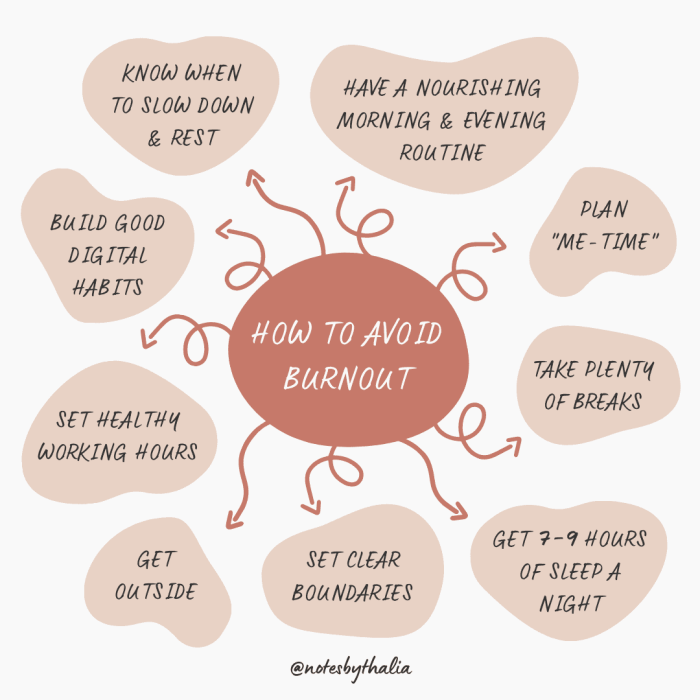
Protecting your mental well-being requires more than individual practices; it necessitates a proactive approach to advocating for mental health within your environment and cultivating strong support systems. Building a supportive network and openly communicating your needs are crucial for preventing burnout and fostering overall well-being.Building strong support networks and advocating for mental health are vital components of self-care, particularly in preventing burnout.
A supportive environment, both professionally and personally, can significantly reduce stress and improve resilience. Open communication is key to accessing this support.
Workplace and Community Mental Health Advocacy
Advocating for mental health in the workplace involves actively promoting mental well-being initiatives, challenging stigma, and encouraging open conversations about mental health concerns. This could involve suggesting employee assistance programs, mental health days, or workshops on stress management. In the community, advocacy might involve volunteering with mental health organizations, supporting legislation that promotes mental health services, or participating in awareness campaigns.
Effective advocacy often involves educating others about mental health conditions, dispelling myths, and promoting understanding and empathy. For example, an employee could propose a company-wide mental health awareness day, including workshops and resources, to foster a more supportive work environment. In the community, participating in a local walk or fundraising event for a mental health charity demonstrates a tangible commitment to advocacy.
Strategies for Building Supportive Networks
Building a supportive network involves consciously cultivating relationships with individuals who offer emotional support, understanding, and practical assistance. This includes friends, family, and colleagues who provide a safe space for sharing feelings and experiences without judgment. Actively participating in social activities, joining groups based on shared interests, and engaging in meaningful conversations can help build these connections. For instance, joining a book club can provide a social outlet and opportunities to connect with like-minded individuals.
Volunteering for a cause you care about can also help you meet people who share your values and build a sense of community. Regularly connecting with loved ones through phone calls, video chats, or in-person visits reinforces these important bonds.
The Role of Open Communication in Fostering Mental Well-being
Open communication is the cornerstone of any supportive relationship. It involves honestly expressing your feelings, needs, and concerns to those you trust. This includes clearly communicating your boundaries, setting realistic expectations, and seeking help when needed. It also involves actively listening to others and validating their experiences. For example, telling a colleague you need to leave work early due to a mental health appointment demonstrates open communication and establishes healthy boundaries.
Similarly, actively listening to a friend who is sharing their struggles demonstrates empathy and builds trust. Open communication helps to create a culture of understanding and support, where individuals feel comfortable seeking help without fear of judgment.
Resources for Finding Mental Health Advocates and Support Groups
Numerous resources exist to help individuals connect with mental health advocates and support groups. Online directories, such as those maintained by mental health organizations, can help locate local support groups based on specific needs or conditions. Many communities also offer peer support programs, where individuals with shared experiences provide mutual support and understanding. Professional organizations, such as the American Psychological Association or the National Alliance on Mental Illness (NAMI), offer resources and referrals.
Utilizing online search engines with specific s like “mental health support groups [your location]” can yield valuable results. Remember to verify the credibility of any organization or group before engaging with them.
Tips for Communicating Mental Health Needs Effectively
Effectively communicating mental health needs requires careful planning and self-awareness.
- Be clear and concise: State your needs directly and avoid ambiguity.
- Use “I” statements: Focus on your own feelings and experiences, rather than blaming others.
- Choose the right time and place: Select a setting where you feel comfortable and safe.
- Be prepared for different responses: Not everyone will react the same way.
- Set realistic expectations: It may take time for others to understand and support you.
- Seek professional help if needed: A therapist can provide guidance and support.
Therapy and Counseling Options for Burnout Recovery
Burnout, characterized by emotional exhaustion, depersonalization, and reduced personal accomplishment, significantly impacts mental and physical well-being. While self-care strategies are crucial, professional therapeutic intervention often proves essential for comprehensive recovery. Various therapy approaches offer distinct advantages in addressing the multifaceted nature of burnout.Therapy offers a structured and supportive environment to process the emotional toll of burnout. A therapist provides a safe space to explore underlying causes, develop coping mechanisms, and build resilience.
This professional guidance can significantly accelerate the recovery process compared to self-managed approaches.
Types of Therapy Effective in Treating Burnout
Several therapeutic approaches have demonstrated effectiveness in treating burnout. These methods vary in their techniques and focus, allowing individuals to choose an approach that best suits their needs and preferences.
- Cognitive Behavioral Therapy (CBT): CBT helps identify and challenge negative thought patterns and behaviors contributing to burnout. It teaches practical coping skills and strategies for managing stress and improving emotional regulation. For example, a person experiencing burnout might use CBT techniques to challenge the thought “I’m a failure” by identifying evidence that contradicts this belief and replacing it with more balanced and realistic self-assessments.
- Acceptance and Commitment Therapy (ACT): ACT focuses on accepting difficult emotions and thoughts related to burnout without judgment, while committing to valued actions. This approach emphasizes living a meaningful life despite challenges, fostering psychological flexibility and resilience. A person struggling with burnout might use ACT to accept feelings of exhaustion and overwhelm, then commit to engaging in activities that align with their values, even if those activities feel challenging at first.
- Dialectical Behavior Therapy (DBT): DBT is particularly helpful for individuals experiencing intense emotions and difficulties managing their responses to stress. It teaches skills in mindfulness, distress tolerance, emotion regulation, and interpersonal effectiveness, all crucial for navigating the emotional turmoil associated with burnout. For instance, someone experiencing burnout might learn DBT skills to manage intense feelings of anger or frustration in a healthier way, preventing impulsive behaviors.
Benefits of Seeking Professional Help
Seeking professional help offers numerous advantages in recovering from burnout. These benefits extend beyond symptom relief to encompass long-term well-being and improved quality of life.
- Personalized Treatment Plan: Therapists tailor treatment plans to individual needs and preferences, ensuring a more effective and efficient recovery process.
- Objective Perspective: A therapist provides an unbiased perspective, helping individuals identify unhelpful patterns and develop healthier coping strategies.
- Skill Development: Therapy equips individuals with practical skills for managing stress, improving emotional regulation, and building resilience.
- Improved Self-Awareness: The therapeutic process fosters self-awareness, allowing individuals to understand the root causes of their burnout and develop strategies for prevention.
- Increased Support and Accountability: Regular therapy sessions provide consistent support and accountability, promoting adherence to treatment plans and fostering progress.
Finding a Qualified Therapist or Counselor
Finding the right therapist is a crucial step in the recovery process. Several resources can assist in this search.
- Online Directories: Websites such as Psychology Today and GoodTherapy provide searchable databases of therapists, allowing individuals to filter by specialization, location, and insurance coverage.
- Referrals from Primary Care Physicians: Primary care physicians often have relationships with mental health professionals and can provide referrals.
- Employee Assistance Programs (EAPs): Many employers offer EAPs that provide access to counseling and other mental health services.
- Insurance Provider Networks: Contacting your insurance provider to determine which therapists are in their network can help manage costs.
Comparing CBT and Other Therapeutic Approaches
While CBT is a widely used and effective approach, other therapies offer unique advantages. The choice depends on individual needs and preferences. For example, ACT may be preferred for individuals seeking to embrace acceptance and mindfulness, while DBT might be more suitable for those struggling with intense emotions and self-harm behaviors. The decision of which therapy is “best” is highly individualized.
Preparing for Your First Therapy Session
Preparing for your first therapy session can ease anxiety and maximize the effectiveness of the appointment.
- Identify Your Goals: Consider what you hope to achieve through therapy. What specific issues do you want to address?
- Gather Information: Compile a list of relevant information, including medical history, current medications, and any other pertinent details.
- Prepare Questions: Write down any questions you have for your therapist to ensure you address all your concerns.
- Arrive on Time: Arriving on time shows respect for the therapist’s time and allows for a smooth start to the session.
- Be Open and Honest: Open and honest communication is essential for a successful therapeutic relationship.
Building Resilience and Adaptability
Building resilience is crucial for preventing burnout and navigating the inevitable stressors of life. It’s about developing the mental and emotional strength to bounce back from adversity, adapt to change, and maintain a positive outlook even in challenging circumstances. This involves cultivating a mindset of self-compassion and actively developing coping mechanisms to handle pressure effectively.
Enhancing Personal Resilience
Resilience isn’t an innate trait; it’s a skill that can be learned and strengthened over time. Key strategies include practicing self-care (prioritizing sleep, nutrition, and exercise), cultivating mindfulness (paying attention to the present moment without judgment), and engaging in activities that bring joy and relaxation. Learning to identify and manage your stress triggers is also essential. For example, if you find public speaking stressful, practice beforehand or consider alternative ways to communicate information.
Regularly engaging in activities that promote relaxation, such as yoga, meditation, or spending time in nature, can significantly improve your ability to manage stress.
Setting Realistic Goals and Expectations
Setting achievable goals is paramount in preventing feelings of overwhelm and subsequent burnout. Avoid setting overly ambitious targets that are likely to lead to disappointment. Instead, break down large tasks into smaller, more manageable steps. This approach fosters a sense of accomplishment as you complete each step, building momentum and confidence. For example, instead of aiming to complete a large project in a week, break it into daily or weekly milestones.
Regularly reviewing and adjusting your goals as needed allows for flexibility and prevents feelings of failure.
Managing Setbacks and Recovering from Adversity
Setbacks are inevitable. The key to resilience lies in your response to them. When faced with a setback, avoid dwelling on negative self-talk. Instead, analyze the situation objectively, identify what went wrong, and learn from the experience. Focus on what you can control and adjust your approach accordingly.
Reframing setbacks as learning opportunities is crucial for building resilience. For example, if a project fails, consider it a chance to refine your skills and approach for future endeavors. Seeking support from friends, family, or mentors can also provide valuable perspective and encouragement during challenging times.
Positive Self-Talk and Affirmations
Positive self-talk involves consciously replacing negative thoughts with positive and encouraging ones. This practice strengthens self-esteem and fosters a more optimistic outlook. Examples of positive self-talk include: “I am capable,” “I can handle this,” “I am learning and growing,” and “I am strong and resilient.” Affirmations are positive statements repeated regularly to reinforce positive beliefs. Examples include: “I am worthy of love and respect,” “I am confident and capable,” and “I am resilient in the face of adversity.” Consistent practice of positive self-talk and affirmations can significantly improve self-esteem and resilience.
Resources for Developing Coping Skills and Resilience
Several resources are available to help you build coping skills and resilience. These include:
- Therapy or Counseling: A therapist can provide guidance and support in developing coping mechanisms and strategies for managing stress and adversity.
- Support Groups: Connecting with others facing similar challenges can provide valuable support and a sense of community.
- Books and Workshops: Numerous books and workshops focus on building resilience and coping skills. These resources offer practical strategies and techniques.
- Mindfulness Apps: Apps like Headspace and Calm offer guided meditations and mindfulness exercises to help manage stress and improve emotional regulation.
- Online Resources: Websites and online platforms offer information and resources on stress management, resilience building, and mental health.
Promoting Workplace Mental Health
Creating a supportive and inclusive workplace culture is crucial for preventing burnout and fostering employee well-being. A healthy work environment directly impacts employee productivity, morale, and overall success. This section will explore strategies for cultivating such an environment, focusing on work-life balance, stress management, employer responsibilities, and effective workplace initiatives.
Strategies for Creating a Supportive and Inclusive Workplace Culture
A supportive workplace culture prioritizes open communication, empathy, and respect. It involves fostering a sense of belonging where employees feel comfortable expressing their concerns and seeking help without fear of judgment or retribution. Key elements include clear and consistent communication from leadership regarding mental health policies and support, regular check-ins with employees to gauge their well-being, and the promotion of diversity and inclusion to ensure all employees feel valued and respected.
Training for managers on recognizing signs of stress and burnout in their teams, and on providing appropriate support, is also essential. Creating opportunities for social interaction and team-building activities can help build camaraderie and a sense of community within the workplace.
The Importance of Work-Life Balance and Stress Management Programs
Work-life balance is not merely a desirable perk; it’s a necessity for preventing burnout and promoting overall well-being. Stress management programs offer employees tools and techniques to cope with workplace pressures. These programs might include workshops on stress reduction techniques such as mindfulness or yoga, access to employee assistance programs (EAPs) providing counseling and support services, flexible work arrangements (such as remote work options or flexible hours), and generous paid time off policies.
Promoting a culture that discourages overwork and encourages employees to take breaks throughout the day is also crucial. Implementing these strategies demonstrably reduces stress levels and improves employee engagement. For example, a company that implemented a flexible work schedule saw a 20% reduction in reported stress levels among its employees within six months.
The Role of Employers in Promoting Employee Mental Well-being
Employers have a significant role in safeguarding employee mental health. This responsibility extends beyond simply providing a paycheck. It encompasses creating a safe and supportive work environment, actively promoting mental health awareness, and providing access to resources and support. Employers should lead by example, openly discussing mental health and demonstrating a commitment to well-being. This includes investing in mental health training for managers and employees, offering mental health benefits such as EAPs and coverage for therapy, and actively promoting a culture of understanding and support.
Failure to address employee mental health can lead to increased absenteeism, decreased productivity, and higher turnover rates, ultimately impacting the company’s bottom line. A proactive approach to employee well-being is not just ethically sound, but also financially beneficial.
Examples of Effective Workplace Mental Health Initiatives
Numerous organizations have implemented successful mental health initiatives. One example is a tech company that established a dedicated “well-being room” offering quiet spaces for meditation and relaxation. Another organization implemented a peer support program, training employees to support their colleagues and recognize signs of distress. Companies offering subsidized gym memberships or on-site fitness facilities are also contributing to employee well-being.
Some organizations have incorporated mindfulness training into their onboarding programs, providing new employees with tools to manage stress from the outset. These initiatives demonstrate a commitment to employee well-being and can significantly improve employee morale and productivity. The positive impact on employee retention and reduced healthcare costs often outweigh the initial investment.
Sample Workplace Mental Health Policy
A comprehensive workplace mental health policy should clearly Artikel the employer’s commitment to supporting employee mental well-being. It should detail the resources available to employees, such as EAPs, mental health benefits, and flexible work arrangements. The policy should also address confidentiality, outlining how employee information will be protected. Additionally, it should Artikel procedures for reporting concerns and addressing mental health-related issues in the workplace.
Finally, it should emphasize the importance of creating a supportive and inclusive environment where employees feel comfortable seeking help without fear of stigma or retribution. This policy should be readily accessible to all employees and regularly reviewed and updated to reflect best practices and evolving needs. A well-defined policy serves as a clear statement of the company’s values and commitment to its employees’ overall well-being.
Overcoming Addictions and Harmful Coping Mechanisms
Burnout often leads to unhealthy coping mechanisms, some of which can develop into full-blown addictions. Understanding these patterns and developing strategies for healthier alternatives is crucial for long-term well-being and preventing relapse into burnout cycles. Ignoring these issues can significantly hinder recovery efforts and prolong the suffering associated with burnout.
Common Addictive Behaviors Worsening Burnout
Burnout can exacerbate existing addictions or create new ones as individuals seek solace in readily available, albeit ultimately destructive, means of escape. These often involve substances or behaviors that provide temporary relief but ultimately intensify the underlying problems. Common examples include increased alcohol consumption, misuse of prescription drugs, compulsive overeating, excessive gambling, increased reliance on social media or video games for escapism, and compulsive shopping.
These behaviors temporarily mask the stress and exhaustion of burnout, but the underlying issues remain unaddressed, leading to a vicious cycle. The temporary relief provided by these activities quickly fades, often leading to increased feelings of guilt, shame, and anxiety, further exacerbating burnout symptoms.
Strategies for Breaking Free from Harmful Coping Mechanisms
Breaking free from harmful coping mechanisms requires a multifaceted approach. It involves recognizing the triggers that lead to these behaviors, developing alternative coping strategies, and actively working towards a healthier lifestyle. This often includes seeking professional guidance, engaging in self-reflection to understand the root causes of the addictive behaviors, and developing a strong support system. Building a strong support network of friends, family, or support groups can provide crucial emotional support and accountability during the recovery process.
Furthermore, actively engaging in self-care practices, like exercise, meditation, and spending time in nature, can significantly contribute to breaking the cycle of addictive behaviors.
The Importance of Seeking Professional Help for Addiction
Professional help is invaluable in overcoming addiction and harmful coping mechanisms. Therapists and addiction specialists can provide tailored support, including individual or group therapy, medication-assisted treatment (if necessary), and relapse prevention planning. Their expertise helps individuals understand the underlying causes of their addiction, develop effective coping strategies, and navigate the challenges of recovery. Professional guidance also ensures a structured and monitored approach, minimizing the risk of relapse and promoting long-term recovery.
Many individuals find that the structured environment and support offered by professional programs provide the crucial elements needed to successfully overcome their addiction.
Resources Available for Individuals Struggling with Addiction
Numerous resources are available for individuals struggling with addiction, including national helplines, online support groups, and rehabilitation centers. Organizations like SAMHSA (Substance Abuse and Mental Health Services Administration) offer comprehensive information and referral services. These resources provide access to a range of support services, including counseling, medication-assisted treatment, and peer support groups. Online platforms and forums also offer anonymous and accessible support for individuals seeking help.
The availability of these resources underscores the importance of seeking help and highlights the societal commitment to supporting individuals in their recovery journey.
Healthy Alternatives to Unhealthy Coping Strategies
Replacing unhealthy coping mechanisms with healthy alternatives is crucial for long-term well-being. These alternatives should address the underlying emotional and psychological needs that drive the unhealthy behaviors.
Examples of healthy alternatives include:
- Engaging in regular physical exercise to reduce stress and improve mood.
- Practicing mindfulness and meditation to increase self-awareness and manage stress.
- Spending time in nature to promote relaxation and reduce anxiety.
- Connecting with supportive friends and family members to foster a sense of belonging.
- Pursuing hobbies and interests to promote a sense of accomplishment and self-esteem.
- Prioritizing sufficient sleep to improve physical and mental health.
- Maintaining a balanced diet to support overall well-being.
- Engaging in creative activities, such as art, music, or writing, to express emotions.
- Learning stress-management techniques, such as deep breathing exercises or progressive muscle relaxation.
- Seeking professional help from a therapist or counselor to address underlying issues.
Personal Growth and Self-Care Practices: Self-care For Burnout Prevention
Personal growth and self-care are intrinsically linked in burnout prevention. Neglecting personal growth often leads to stagnation and a feeling of being overwhelmed, increasing vulnerability to burnout. Conversely, prioritizing personal growth fosters resilience, adaptability, and a stronger sense of self-worth, acting as a buffer against the pressures that contribute to burnout. By actively engaging in self-care and pursuing personal development, individuals can build a foundation of well-being that supports their overall health and prevents burnout.
The Relationship Between Personal Growth and Burnout Prevention
Personal growth involves continuous learning, self-reflection, and the development of new skills and perspectives. This process enhances self-awareness, allowing individuals to better understand their strengths, weaknesses, and stress triggers. This increased self-awareness enables proactive strategies for managing stress and preventing burnout. For instance, someone who identifies a tendency towards overcommitment might learn to set better boundaries as a result of personal growth exercises, thereby reducing their risk of burnout.
Similarly, developing strong communication skills through personal growth activities can help individuals navigate workplace conflicts more effectively, reducing stress and preventing burnout.
Setting Personal Boundaries and Saying “No”
Setting healthy boundaries is crucial for self-preservation and burnout prevention. It involves defining limits on what you’re willing to do and how much you’re willing to give, both personally and professionally. Saying “no” to additional responsibilities or requests that exceed your capacity is an act of self-care. This doesn’t imply being selfish; rather, it’s about prioritizing your well-being and preventing yourself from becoming overwhelmed.
For example, consistently saying “yes” to extra projects at work, despite already having a full workload, can lead to exhaustion and burnout. Learning to politely but firmly decline such requests allows you to manage your workload effectively and maintain a healthy work-life balance.
Prioritizing Self-Care Activities, Self-care for burnout prevention
Prioritizing self-care involves scheduling specific activities that replenish your energy and promote well-being. This requires a conscious effort to allocate time for these activities, treating them as important appointments. This might involve incorporating regular exercise, mindfulness practices, sufficient sleep, and healthy eating into your daily routine. For example, scheduling a 30-minute walk during lunch break, or setting aside an hour each evening for relaxation, can significantly contribute to stress reduction and burnout prevention.
It’s important to remember that self-care isn’t selfish; it’s a necessity for maintaining your physical and mental health.
The Benefits of Engaging in Hobbies and Activities That Bring Joy
Engaging in hobbies and activities that bring joy is essential for preventing burnout. These activities serve as a positive distraction from work stress and provide a sense of accomplishment and fulfillment outside of professional life. This could range from painting and gardening to playing a musical instrument or participating in a sports team. These activities provide a sense of balance and prevent individuals from becoming overly identified with their work roles.
For instance, a software engineer who dedicates time to pottery each week might find that this creative outlet helps them manage work-related stress and prevents burnout by offering a refreshing change of pace and a sense of accomplishment unrelated to their professional life.
A Personalized Self-Care Plan
Creating a personalized self-care plan involves identifying specific activities that promote your well-being and scheduling time to engage in them regularly. This plan should be tailored to your individual needs and preferences.
| Activity | Frequency | Goal |
|---|---|---|
| Mindfulness Meditation | Daily, 15 minutes | Reduce stress and improve focus |
| Yoga or Exercise | 3 times per week, 30 minutes | Improve physical health and reduce tension |
| Spending time in nature | Weekly, 1 hour | Improve mood and reduce stress |
| Reading for pleasure | Daily, 30 minutes | Relax and stimulate the mind |
| Socializing with friends and family | Weekly | Maintain strong social connections |
Preventing burnout requires a holistic approach that integrates self-awareness, proactive stress management, and a commitment to self-care. By implementing the strategies discussed – from mindfulness practices and building strong support networks to seeking professional help when needed – you can build resilience, enhance your well-being, and create a sustainable path toward a healthier, more fulfilling life. Remember, prioritizing your mental and physical health is not selfish; it’s essential for your overall success and happiness.
Expert Answers
What are the early warning signs of burnout?
Early signs include exhaustion, cynicism, reduced professional efficacy, irritability, difficulty concentrating, and changes in sleep patterns or appetite.
Can burnout be prevented completely?
While complete prevention is difficult, proactive self-care and stress management significantly reduce the risk.
How long does it take to recover from burnout?
Recovery time varies greatly depending on the severity of burnout and the individual’s response to treatment. It can range from weeks to months.
Is therapy necessary for burnout recovery?
Therapy can be extremely beneficial for addressing underlying issues and developing coping mechanisms, but it’s not always necessary. Self-care strategies can be effective for mild burnout.


