Building Emotional Resilience A Comprehensive Guide
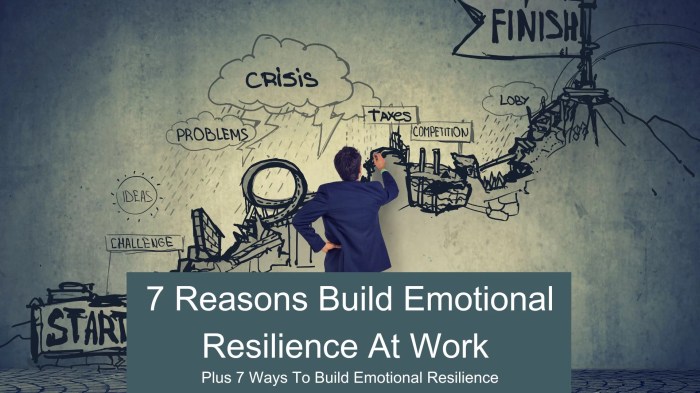
Building emotional resilience is crucial for navigating life’s inevitable challenges. This guide explores various techniques and strategies to cultivate inner strength and cope effectively with stress, anxiety, and depression. We will delve into practical methods, including mindfulness practices, stress management techniques, and the importance of seeking professional help when needed. Understanding your emotional landscape and developing coping mechanisms are key to building a resilient foundation for a fulfilling life.
From understanding the core components of emotional resilience and differentiating it from simple coping mechanisms, to exploring effective stress and anxiety management techniques, this guide offers a holistic approach. We will examine the role of mindfulness, the importance of seeking professional support, and the impact of sleep and workplace environments on mental well-being. The journey to building resilience is a personal one, and this guide provides the tools and knowledge to embark on that journey with confidence and self-compassion.
Overcoming Addictions and Building Resilience: Building Emotional Resilience
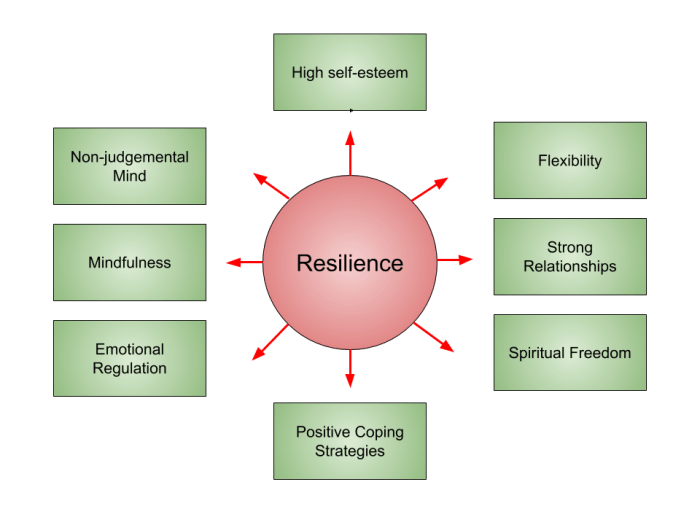
Addiction and emotional resilience are intricately linked, often existing in a cyclical relationship. A lack of resilience can make individuals more vulnerable to developing addictions as a coping mechanism for difficult emotions or life circumstances. Conversely, addiction significantly erodes resilience, making it harder to cope with stress, setbacks, and everyday challenges. The addictive behavior itself becomes a barrier to developing healthy coping strategies and strengthens negative thought patterns.
The Interplay of Addiction and Resilience
Addiction weakens resilience by disrupting the brain’s reward system, leading to impaired decision-making, reduced self-esteem, and increased impulsivity. The constant cycle of craving, use, and withdrawal depletes emotional resources and creates a sense of hopelessness. This makes it difficult to bounce back from life’s inevitable stressors, fostering a vicious cycle of addiction and diminished resilience. Conversely, individuals with strong emotional resilience may be better equipped to resist the initial allure of addiction or to recover more effectively if they do develop an addiction.
They possess the internal strength to navigate challenging emotions without resorting to substance use or other harmful behaviors.
Stages of Addiction Recovery and the Role of Resilience, Building emotional resilience
Recovery from addiction is a multifaceted process often characterized by several distinct stages. The initial stage involves acknowledging the problem and committing to change. This requires a degree of self-awareness and acceptance – crucial components of resilience. Subsequent stages involve detoxification (managing withdrawal symptoms), developing coping mechanisms, and working through underlying emotional issues that contributed to the addiction.
Throughout this process, resilience is essential. The ability to persevere through setbacks, manage cravings, and maintain hope is critical for long-term recovery. Relapses are common, and resilience allows individuals to view these setbacks as learning opportunities rather than complete failures.
Self-Compassion and Self-Acceptance in Recovery
Self-compassion and self-acceptance are paramount to successful recovery. Individuals struggling with addiction often experience significant self-criticism and shame. Self-compassion involves treating oneself with kindness and understanding, recognizing that everyone makes mistakes and that recovery is a journey, not a destination. Self-acceptance means acknowledging one’s flaws and imperfections without judgment. This fosters a sense of self-worth that is crucial for building resilience and maintaining sobriety.
Cultivating self-compassion can help individuals navigate the challenges of recovery with greater ease and less self-blame.
Resources and Support Systems for Addiction Recovery
Access to appropriate resources and support systems is crucial for successful recovery. A strong support network can provide encouragement, accountability, and practical assistance.
- Rehabilitation Centers: Offer structured programs with medical, psychological, and social support.
- Support Groups (e.g., Alcoholics Anonymous, Narcotics Anonymous): Provide peer support and shared experiences.
- Therapy (Individual and Group): Helps address underlying emotional issues contributing to addiction.
- Medication-Assisted Treatment (MAT): Uses medications to manage withdrawal symptoms and cravings.
- Family Therapy: Supports the entire family system in navigating the challenges of addiction.
- Healthcare Professionals: Doctors, psychiatrists, and counselors can provide assessment, diagnosis, and treatment.
- Online Resources: Websites and helplines offer information, support, and referrals.
Personal Growth and Self-Care Strategies for Resilience
Building emotional resilience is not solely about overcoming challenges; it’s also about proactively nurturing your well-being. Self-care, encompassing various practices that prioritize your physical and mental health, plays a crucial role in strengthening your ability to cope with stress and adversity. By consciously engaging in self-care, you build a foundation of strength that enables you to navigate life’s inevitable ups and downs with greater ease and composure.Self-care practices contribute significantly to emotional resilience by reducing stress, improving mood, and fostering a sense of self-worth.
Setting boundaries and prioritizing self-needs are essential components of this process. Boundaries protect your energy and mental space, preventing burnout and enabling you to focus on what truly matters. Prioritizing self-needs ensures that you are attending to your own well-being, which is fundamental to your capacity to support others and handle challenging situations effectively.
The Importance of Setting Boundaries and Prioritizing Self-Needs
Establishing healthy boundaries is about defining limits in your interactions with others and your commitments. This might involve saying “no” to requests that overextend you, limiting exposure to negative influences, or protecting your personal time and space. Prioritizing self-needs means recognizing your physical, emotional, and mental requirements and making conscious efforts to meet them. This could involve getting enough sleep, eating nutritious meals, or engaging in activities that bring you joy and relaxation.
These actions are not selfish; they are essential for maintaining your overall well-being and resilience. Without these crucial elements, individuals risk emotional exhaustion and decreased ability to cope with challenges. For example, a person consistently saying “yes” to every request, neglecting their sleep, and forgoing enjoyable activities may experience burnout and find it difficult to manage stress effectively.
Conversely, someone who sets clear boundaries and prioritizes their needs is better equipped to handle stressful situations and maintain emotional equilibrium.
Examples of Self-Care Practices
Regular engagement in self-care activities significantly improves emotional well-being. These activities can be broadly categorized into physical, mental, and emotional practices.Physical self-care involves activities that promote physical health and well-being. Regular physical activity, such as exercise, yoga, or even a brisk walk, releases endorphins, which have mood-boosting effects. Healthy eating habits, emphasizing whole foods, fruits, and vegetables, provide the body with the nutrients it needs to function optimally, reducing the likelihood of physical ailments that can impact mental health.
Adequate sleep is also crucial; it allows the body and mind to rest and repair, contributing to improved cognitive function and emotional regulation. For instance, someone who incorporates daily walks into their routine might experience reduced stress levels and improved mood, while someone who prioritizes a balanced diet may find they have more energy and are better able to cope with daily challenges.
Cultivating Positive Self-Talk and Self-Compassion
Negative self-talk, characterized by self-criticism and pessimism, can significantly undermine emotional resilience. Cultivating positive self-talk and self-compassion involves consciously challenging negative thought patterns and replacing them with more constructive and supportive ones. This process requires self-awareness and a willingness to practice self-kindness. For example, instead of thinking “I’m such a failure,” one might reframe the thought to “I made a mistake, but I can learn from this.” Self-compassion involves treating oneself with the same kindness and understanding that one would offer a friend facing a similar challenge.
This might involve acknowledging one’s feelings without judgment and offering oneself words of encouragement and support. Regular practice of mindfulness and meditation can significantly aid in developing self-awareness and cultivating positive self-talk. The consistent practice of these techniques can help individuals develop a more positive and supportive inner dialogue, enhancing their overall emotional resilience.
Ultimately, building emotional resilience is a continuous process of self-discovery and growth. By understanding the interplay between our thoughts, feelings, and behaviors, and by actively engaging in self-care and seeking support when necessary, we can cultivate the inner strength to overcome adversity and thrive. This guide has provided a framework for understanding and building emotional resilience, equipping you with the knowledge and tools to navigate life’s challenges with greater ease and confidence.
Remember, prioritizing your mental well-being is an act of self-love and an investment in a happier, healthier future.
Commonly Asked Questions
What is the difference between emotional resilience and coping mechanisms?
Resilience is a broader, more enduring capacity to bounce back from adversity. Coping mechanisms are specific strategies used to manage stress in the moment. Resilience encompasses multiple coping mechanisms and a deeper sense of self-efficacy.
How long does it take to build emotional resilience?
Building emotional resilience is a gradual process. It varies depending on individual factors and the consistency of practice. Consistent effort and self-compassion are key.
Can emotional resilience be learned?
Yes, emotional resilience is a skill that can be learned and developed through practice and self-awareness. This guide provides various strategies to aid in this development.
Is building emotional resilience the same as avoiding negative emotions?
No, it’s about learning to manage and process negative emotions healthily, rather than avoiding them entirely. Resilience involves acknowledging and accepting difficult feelings while maintaining a sense of hope and agency.