Free Mental Health Resources for Depression
Free mental health resources for depression offer a lifeline for many struggling with this prevalent condition. Accessing support doesn’t have to be a barrier; numerous online platforms, helplines, and apps provide valuable tools and information, empowering individuals to manage their symptoms and navigate their journey toward recovery. This exploration delves into the landscape of readily available resources, highlighting their strengths and limitations while emphasizing the crucial role of professional support when necessary.
This guide aims to provide a comprehensive overview of free mental health resources specifically tailored to those experiencing depression. We’ll examine various options, including self-help strategies, online communities, and mobile applications designed to support mental well-being. Understanding the benefits and limitations of these resources is key to making informed decisions about your mental health journey. Remember, seeking professional help is crucial for those experiencing severe or persistent depression.
Stress and Anxiety Management Techniques
Stress and anxiety are common experiences, but effective management techniques can significantly improve well-being. This section explores various coping mechanisms, including relaxation techniques, time management strategies, mindfulness exercises, and the benefits of healthy lifestyle choices. Learning these strategies empowers individuals to navigate stressful situations more effectively and reduce the negative impact of anxiety on their daily lives.
Effective coping mechanisms for stress and anxiety involve a multi-faceted approach. Relaxation techniques, such as deep breathing and progressive muscle relaxation, help calm the nervous system. Time management strategies, including prioritization and scheduling, reduce feelings of being overwhelmed. Mindfulness exercises, focusing on the present moment, help to interrupt anxious thought patterns. Furthermore, regular physical activity and a healthy diet contribute to overall well-being and resilience to stress.
Deep Breathing Exercises for Anxiety Reduction
Deep breathing is a simple yet powerful technique to reduce anxiety. It works by slowing the heart rate and activating the parasympathetic nervous system, which promotes relaxation. The following steps Artikel a guided deep breathing exercise:
- Find a quiet and comfortable place to sit or lie down. Close your eyes gently.
- Place one hand on your chest and the other on your abdomen. This helps you monitor your breathing.
- Inhale slowly and deeply through your nose, feeling your abdomen rise. Your chest should rise minimally.
- Hold your breath for a few seconds, then exhale slowly and completely through your mouth, feeling your abdomen fall.
- Repeat this process for 5-10 minutes, focusing on the sensation of your breath.
- As you breathe, notice any thoughts or feelings without judgment. Gently redirect your attention back to your breath if your mind wanders.
Benefits of Physical Activity and Healthy Eating Habits
Regular physical activity and a balanced diet play crucial roles in stress reduction. Exercise releases endorphins, which have mood-boosting effects. Studies have shown a correlation between regular physical activity and reduced levels of anxiety and depression. Similarly, a healthy diet provides the body with the nutrients it needs to function optimally, improving energy levels and reducing the likelihood of experiencing stress-related symptoms.
A diet rich in fruits, vegetables, and whole grains, combined with regular exercise, contributes significantly to both physical and mental well-being. For example, a study published in the journal “Depression and Anxiety” found that participants who engaged in regular aerobic exercise experienced a significant reduction in anxiety symptoms.
Free Mobile Apps for Guided Meditations and Relaxation Techniques
Many free mobile applications offer guided meditations and relaxation techniques. These apps provide convenient access to mindfulness exercises, breathing techniques, and other stress-reduction tools. These apps can be particularly helpful for individuals who are new to meditation or who find it difficult to practice independently. Examples include apps such as Calm, Headspace, and Insight Timer, which offer a range of guided meditations and relaxation exercises, often with free introductory content or free trial periods.
Mindfulness Practices for Mental Well-being
Mindfulness, the practice of paying attention to the present moment without judgment, offers a powerful pathway to improved mental well-being, particularly for individuals experiencing depression. By cultivating awareness of thoughts, feelings, and sensations as they arise, without getting carried away by them, we can create space between ourselves and our suffering, fostering a sense of calm and self-acceptance. This approach contrasts with the tendency in depression to get caught up in negative thought patterns and rumination.Mindfulness principles, at their core, emphasize non-judgmental observation, acceptance of the present moment, and letting go of the need to control or change our experiences.
Applying these principles to manage depressive symptoms involves actively noticing negative thoughts and feelings without engaging with them in a reactive way. Instead of fighting these emotions, we simply observe them, acknowledging their presence without letting them dictate our mood or actions. This creates a sense of detachment that can reduce the intensity of depressive symptoms.
Guided Meditation for Self-Compassion and Acceptance
This guided meditation aims to cultivate self-compassion and acceptance, particularly beneficial for individuals struggling with depression. Find a quiet space where you can sit or lie down comfortably. Close your eyes gently. Begin by noticing your breath, the natural rhythm of inhaling and exhaling. Allow your attention to settle on the sensation of your breath entering and leaving your body.
As you focus on your breath, you might notice thoughts arising. This is perfectly normal. Simply acknowledge these thoughts without judgment, gently guiding your attention back to your breath.Now, bring to mind a challenging emotion or experience you’re currently facing. Perhaps it’s sadness, loneliness, or a sense of hopelessness. Allow yourself to feel this emotion without trying to change it or push it away.
Imagine speaking to yourself with kindness and understanding, as you would to a dear friend going through a difficult time. What words of comfort and support would you offer? Repeat these words silently to yourself, feeling their warmth and compassion. Remind yourself that it’s okay to feel this way; suffering is a part of the human experience.
You are not alone in your struggles. Continue to breathe deeply, allowing yourself to be held by this sense of self-compassion and acceptance. When you’re ready, gently bring your awareness back to your surroundings.
Benefits of Mindfulness Practices
Mindfulness practices, such as meditation, yoga, and body scan meditation, offer numerous benefits for reducing stress and improving mood. Meditation cultivates a state of focused attention, reducing mind-wandering and rumination, common features of depression and anxiety. Yoga combines physical postures, breathing techniques, and meditation, promoting relaxation, reducing muscle tension, and improving overall well-being. Body scan meditation involves systematically bringing awareness to different parts of the body, noticing sensations without judgment, helping to release physical and emotional tension.
These practices can help regulate the nervous system, reducing the physiological response to stress and promoting a sense of calm and equanimity. Studies have shown that regular mindfulness practice can lead to significant reductions in symptoms of depression and anxiety.
Incorporating Mindfulness into Daily Routines
Integrating mindfulness into daily life doesn’t require extensive time commitments. Even short periods of mindful awareness can make a significant difference. Simple practices like mindful breathing during stressful moments, paying attention to the sensations of eating, or savoring the experience of a walk in nature can cultivate a greater sense of presence and reduce reactivity to negative thoughts and feelings.
Setting aside a few minutes each day for formal meditation or yoga can deepen the practice and enhance its benefits. The key is to find ways to incorporate mindfulness that fit comfortably into your lifestyle, making it a consistent and sustainable part of your self-care routine.
Mental Health Advocacy and Stigma Reduction
Mental health advocacy plays a crucial role in fostering understanding and dismantling the stigma surrounding depression and other mental health conditions. By actively challenging misconceptions and promoting open conversations, advocates create a more supportive and inclusive environment for individuals struggling with their mental well-being. This, in turn, encourages help-seeking behavior and improves access to necessary care.The persistent stigma surrounding mental illness creates significant barriers to treatment and recovery.
Many individuals avoid seeking professional help due to fear of judgment, discrimination, or social isolation. Effective advocacy efforts aim to counteract these negative perceptions by educating the public, empowering individuals to share their experiences, and advocating for policy changes that promote mental health parity.
Key Organizations Involved in Mental Health Advocacy
Several organizations dedicate significant resources to mental health advocacy and stigma reduction. These organizations employ diverse strategies, including public awareness campaigns, educational programs, and lobbying efforts to influence policy. Their work is vital in shaping public perception and improving access to mental healthcare.
Strategies for Engaging in Conversations About Mental Health
Open and honest conversations are essential for reducing stigma within personal networks. Active listening, empathy, and a willingness to learn are key components of effective communication. Sharing personal experiences (if comfortable) can help normalize mental health struggles and encourage others to open up. Educating oneself on mental health conditions and available resources allows for more informed and supportive conversations.
Using inclusive language and avoiding judgmental statements is crucial. For example, instead of saying “You’re just being dramatic,” one might say, “I’m here for you. How can I support you right now?”.
The Impact of Media Representation on Public Perception of Mental Health
Media portrayal significantly influences public perception of mental health. While progress has been made in depicting mental health conditions more realistically and sensitively, harmful stereotypes and misrepresentations still persist. Negative portrayals can reinforce stigma and perpetuate misconceptions. Conversely, accurate and empathetic portrayals can help destigmatize mental illness, promote understanding, and encourage help-seeking behavior. For example, a television show that realistically depicts the challenges of living with depression, along with the recovery process, can be far more impactful than a sensationalized or stigmatizing portrayal.
The media has a powerful role to play in shaping public attitudes and fostering a more compassionate society.
Therapy and Counseling Options
Seeking professional help is a crucial step in managing depression. Therapy provides a structured environment and expert guidance to address the underlying causes and develop coping mechanisms. While self-help strategies can be beneficial, professional therapy offers a personalized approach and access to evidence-based techniques.
Types of Therapy for Depression
Several types of therapy have proven effective in treating depression. Cognitive Behavioral Therapy (CBT) helps identify and change negative thought patterns and behaviors contributing to depression. Dialectical Behavior Therapy (DBT), often used for individuals with intense emotions, teaches skills in mindfulness, distress tolerance, emotion regulation, and interpersonal effectiveness. Other effective approaches include interpersonal therapy (IPT), which focuses on improving relationships, and psychodynamic therapy, which explores unconscious patterns and past experiences.
The best type of therapy depends on individual needs and preferences; a therapist can help determine the most suitable approach.
Finding a Therapist: Process and Considerations
Finding a therapist involves several steps. First, consider your insurance coverage. Many insurance plans offer mental health benefits, but coverage varies. Check your policy for details on in-network providers and reimbursement rates. If insurance coverage is limited or unavailable, explore resources for low-cost or free therapy options, such as community mental health centers, university counseling services (often available to students and sometimes the wider community), and sliding-scale fee clinics.
Online directories, such as those offered by professional organizations like the American Psychological Association (APA), can help locate therapists in your area. When contacting potential therapists, inquire about their experience treating depression, their therapeutic approach, and their fees. It’s essential to find a therapist with whom you feel comfortable and can build a trusting relationship.
Benefits of Professional Help and its Complement to Self-Help
Professional help offers several advantages. Therapists provide a safe and non-judgmental space to explore your feelings, understand the roots of your depression, and develop coping mechanisms. They can offer personalized strategies tailored to your specific challenges, monitor your progress, and adjust treatment as needed. Professional help complements self-help strategies by providing expert guidance, accountability, and support. Self-help techniques, such as mindfulness or journaling, can be enhanced and integrated into a broader therapeutic plan under professional supervision.
This combined approach often leads to more comprehensive and sustainable improvements in mental well-being.
Structure of a Therapy Session
A typical therapy session lasts for 45-60 minutes. Sessions usually begin with a check-in, where you discuss your current state and any significant events since the last session. The focus then shifts to the identified therapeutic goals, which might involve exploring thoughts, feelings, behaviors, or interpersonal relationships. Therapists use various techniques depending on the chosen approach, such as cognitive restructuring in CBT or dialectical exercises in DBT.
Sessions often conclude with planning for the coming week and setting goals for the next session. The specific structure can vary based on the therapist’s approach and the individual’s needs, but the overall goal is to create a collaborative and supportive environment to facilitate progress.
Building Resilience
Resilience is the ability to bounce back from adversity, stress, and trauma. It’s not about avoiding hardship, but rather about developing the skills and mindset to navigate challenges effectively and emerge stronger. Building resilience is crucial for managing depression, as it equips individuals with the tools to cope with setbacks, maintain hope, and prevent relapse. A resilient individual is better equipped to handle the emotional and mental strain associated with depression.Resilience is fostered through a combination of internal strengths and external support.
It’s a dynamic process, not a fixed trait, meaning it can be learned and strengthened over time. By actively engaging in strategies designed to enhance resilience, individuals can significantly improve their ability to cope with the difficulties associated with depression and maintain their overall well-being.
Identifying Personal Strengths
Understanding your strengths is a foundational step in building resilience. These strengths can be anything from problem-solving skills and creativity to a positive attitude and strong work ethic. Taking time for self-reflection, considering past successes, and seeking feedback from trusted individuals can help pinpoint these assets. For example, someone who successfully navigated a difficult work project might identify their organizational skills and determination as key strengths.
Recognizing these strengths provides a sense of self-efficacy and confidence, empowering individuals to tackle future challenges.
Setting Realistic Goals, Free mental health resources for depression
Setting achievable goals is vital for maintaining motivation and preventing feelings of overwhelm. Instead of aiming for large, ambitious goals that can feel unattainable, focus on smaller, more manageable steps. Breaking down larger goals into smaller tasks makes progress more visible and encourages a sense of accomplishment. For instance, instead of aiming to completely overhaul your lifestyle, start with small changes like incorporating a 15-minute walk into your daily routine or reading one chapter of a book each evening.
These small victories build momentum and foster a sense of self-efficacy.
Developing a Strong Support Network
Connecting with others is essential for building resilience. A strong support network provides emotional support, practical assistance, and a sense of belonging. This network can include family, friends, colleagues, support groups, or therapists. Regular interaction with supportive individuals helps to reduce feelings of isolation and provides a sense of security during challenging times. For example, joining a support group for individuals with depression can provide a sense of community and shared experience, reducing feelings of loneliness and stigma.
Developing a Personalized Resilience Plan
A personalized resilience plan is a proactive strategy to enhance coping mechanisms and manage stress. This plan should include specific strategies tailored to an individual’s needs and preferences. It should Artikel steps for identifying stressors, coping mechanisms to employ, and methods for seeking support. For example, a plan might include identifying triggers for depressive episodes, practicing mindfulness techniques to manage anxiety, and scheduling regular meetings with a therapist.
Regular review and adjustments to the plan are crucial to ensure its ongoing effectiveness.
Self-Care Activities that Promote Resilience
Prioritizing self-care is crucial for building resilience. Engaging in activities that promote physical and emotional well-being can help manage stress and improve overall mental health.
- Regular Exercise: Physical activity releases endorphins, which have mood-boosting effects.
- Mindful Breathing Exercises: These techniques can help calm the nervous system and reduce anxiety.
- Healthy Diet: Nourishing your body with healthy foods provides the energy and nutrients needed to cope with stress.
- Sufficient Sleep: Adequate sleep is essential for physical and mental restoration.
- Engaging in Hobbies: Activities you enjoy can provide a sense of accomplishment and relaxation.
- Spending Time in Nature: Exposure to nature has been shown to reduce stress and improve mood.
- Connecting with Loved Ones: Social interaction provides emotional support and reduces feelings of isolation.
Sleep and Mental Health: Free Mental Health Resources For Depression
Sleep and mental health are inextricably linked, particularly when considering depression. Sufficient, high-quality sleep is crucial for emotional regulation, cognitive function, and overall well-being. Conversely, sleep disturbances significantly exacerbate depressive symptoms, creating a vicious cycle that can be challenging to break. Understanding this relationship is the first step towards improving both sleep and mental health.Sleep deprivation, even in moderate amounts, can trigger or worsen depressive symptoms.
The lack of restorative sleep impacts mood regulation, making individuals more susceptible to feelings of sadness, hopelessness, and irritability. Cognitive functions, such as concentration and memory, also suffer, leading to further difficulties in managing daily life and potentially worsening depressive thoughts. Addressing sleep disturbances is, therefore, a critical component of effective depression management.
The Relationship Between Sleep Quality and Depression
Poor sleep quality is a common symptom of depression, and it also plays a significant role in its development and persistence. Individuals with depression often experience insomnia (difficulty falling asleep or staying asleep), hypersomnia (excessive sleepiness), and disrupted sleep patterns. These sleep disturbances can lead to a cascade of negative consequences, including increased fatigue, reduced energy levels, difficulty concentrating, and impaired decision-making – all of which further intensify depressive symptoms.
Research consistently demonstrates a strong bidirectional relationship: poor sleep worsens depression, and depression negatively impacts sleep. For instance, a study published in the journal
Sleep Medicine* found a strong correlation between sleep quality and depression severity, indicating that improving sleep can significantly improve depressive symptoms.
Practical Tips for Improving Sleep Hygiene
Establishing healthy sleep habits, often referred to as “sleep hygiene,” is essential for improving sleep quality and managing depressive symptoms. This involves creating a consistent sleep environment and routine that promotes relaxation and prepares the body for sleep. A regular sleep schedule, even on weekends, helps regulate the body’s natural sleep-wake cycle (circadian rhythm), making it easier to fall asleep and wake up feeling refreshed.
A relaxing bedtime routine, such as taking a warm bath, reading a book, or listening to calming music, can signal to the brain that it’s time to wind down. Avoiding screen time before bed is also crucial, as the blue light emitted from electronic devices can interfere with melatonin production, a hormone that regulates sleep.
Impact of Sleep Deprivation on Depressive Symptoms
Sleep deprivation significantly impacts various neurochemical systems involved in mood regulation, contributing to the worsening of depressive symptoms. A lack of sleep can lead to imbalances in neurotransmitters such as serotonin and dopamine, which play critical roles in mood, motivation, and reward processing. This imbalance can exacerbate feelings of sadness, hopelessness, and anhedonia (loss of interest or pleasure in activities).
Furthermore, sleep deprivation impairs cognitive function, making it more difficult to cope with daily stressors and negative thoughts, creating a cycle that reinforces depressive symptoms. For example, a person struggling with depression who experiences sleep deprivation may find it even more challenging to engage in activities that usually bring them joy, further contributing to their feelings of hopelessness.
Checklist of Healthy Sleep Habits
Creating a checklist and actively working towards incorporating these habits into your daily routine can significantly improve sleep quality.
- Maintain a consistent sleep schedule, going to bed and waking up around the same time each day, even on weekends.
- Create a relaxing bedtime routine that helps you wind down before sleep (e.g., warm bath, reading, meditation).
- Make sure your bedroom is dark, quiet, and cool.
- Avoid caffeine and alcohol before bed.
- Get regular exercise, but avoid intense workouts close to bedtime.
- Limit screen time before bed.
- Practice relaxation techniques such as deep breathing or progressive muscle relaxation.
- Ensure adequate exposure to sunlight during the day.
- Consider consulting a healthcare professional if you are experiencing persistent sleep problems.
Workplace Mental Health
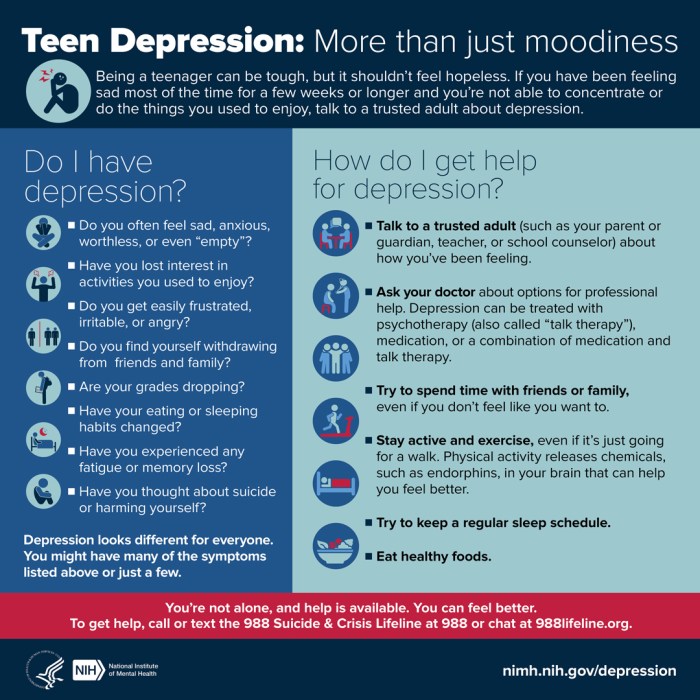
Prioritizing mental health in the workplace isn’t just a matter of compassion; it’s a strategic imperative for businesses seeking to foster productivity, innovation, and employee retention. A supportive and understanding work environment significantly impacts employee well-being, leading to a more engaged and effective workforce. Ignoring mental health concerns can result in decreased productivity, increased absenteeism, and higher healthcare costs.Creating a supportive environment involves fostering open communication, reducing stigma surrounding mental health issues, and providing accessible resources.
Employers can implement various strategies to achieve this, ultimately building a healthier and more productive work environment for everyone.
Strategies for Supporting Employees Struggling with Depression
Providing access to mental health resources is paramount. This could include offering Employee Assistance Programs (EAPs), which typically provide confidential counseling services, and promoting mental health awareness through workshops, training sessions, and informational materials. Furthermore, encouraging open communication about mental health challenges, creating a culture of understanding and support, and ensuring managers are trained to recognize and respond appropriately to employees’ mental health needs are vital steps.
Flexible work arrangements, such as allowing for adjusted schedules or remote work options, can also significantly help employees manage their mental health effectively. Finally, leading by example, with senior management openly discussing mental health and utilizing available resources, can help normalize seeking help and reduce the stigma.
Benefits of Workplace Wellness Programs
Workplace wellness programs focused on mental health yield significant benefits. Improved employee morale and engagement are often observed, leading to increased productivity and reduced absenteeism. A healthier workforce experiences fewer workplace accidents and injuries, and reduced stress levels translate to lower healthcare costs for both the employee and the employer. Furthermore, a positive workplace culture built around mental well-being attracts and retains top talent, strengthening the company’s competitive edge in the job market.
These programs also contribute to a more positive and inclusive workplace, fostering a sense of community and belonging amongst employees.
Examples of Successful Workplace Initiatives
Many companies have successfully implemented initiatives to support employee mental health. For example, some organizations offer mindfulness training programs, providing employees with techniques to manage stress and improve their overall well-being. Others have implemented flexible work arrangements, allowing employees to adjust their schedules to better accommodate their needs. Some companies also partner with mental health organizations to provide on-site counseling services or workshops.
A noteworthy example is a tech company that introduced “mental health days,” allowing employees to take paid time off specifically for mental health concerns without needing to explain the reason. This initiative fostered a culture of open communication and reduced the stigma associated with mental health challenges. Another company successfully integrated mental health awareness training into their onboarding process, ensuring new employees understand the support systems available from day one.
These examples highlight the diverse and effective strategies that companies can employ to support their employees’ mental well-being.
Overcoming Addictions
Depression and addiction frequently coexist, creating a complex challenge for individuals seeking recovery. This co-occurrence, known as a co-occurring disorder or dual diagnosis, significantly impacts treatment effectiveness. Addressing both conditions simultaneously, through an integrated approach, is crucial for achieving lasting recovery.The prevalence of co-occurring depression and addiction is substantial. Studies consistently show a high correlation between mood disorders like depression and substance use disorders.
For example, individuals struggling with alcohol dependence often experience higher rates of depression compared to the general population. This interconnectedness highlights the need for holistic treatment strategies that tackle both the mental health and substance use aspects of the problem.
Integrated Treatment Approaches for Co-occurring Disorders
Integrated treatment acknowledges the interconnectedness of depression and addiction. It avoids treating these conditions in isolation, instead offering simultaneous interventions addressing both simultaneously. This approach typically involves a combination of therapies, such as medication management for depression and addiction, individual therapy to address underlying emotional issues contributing to substance use, and group therapy to provide peer support and coping strategies.
A multidisciplinary team, including psychiatrists, therapists, and addiction specialists, often coordinates care. This collaborative approach ensures a comprehensive and personalized treatment plan.
Resources for Individuals with Co-occurring Disorders
Numerous resources exist to support individuals battling both depression and addiction. These include specialized treatment centers offering integrated programs, support groups like Alcoholics Anonymous (AA) and Narcotics Anonymous (NA) that cater to individuals with co-occurring disorders, and mental health clinics providing both therapy and medication management. SAMHSA’s National Helpline (1-800-662-HELP) offers confidential support and referrals to local treatment facilities.
Online resources, such as the Substance Abuse and Mental Health Services Administration (SAMHSA) website, provide information on treatment options and support networks.
Stages of Addiction Recovery and the Role of Therapy
Addiction recovery is generally understood as a process unfolding through distinct stages. While the specific stages may vary depending on the model used, common elements include detoxification (managing withdrawal symptoms), early recovery (building coping skills and establishing a support system), maintenance (sustaining sobriety and addressing triggers), and relapse prevention (developing strategies to manage cravings and high-risk situations). Therapy plays a vital role throughout each stage.
Cognitive Behavioral Therapy (CBT) helps identify and modify negative thought patterns and behaviors contributing to addiction. Dialectical Behavior Therapy (DBT) equips individuals with skills to manage intense emotions and prevent impulsive behaviors. These therapeutic interventions help individuals develop long-term coping mechanisms, improving their chances of sustained sobriety.
The Importance of Seeking Professional Help
Seeking professional help is crucial for individuals struggling with co-occurring disorders. Self-treatment is often ineffective and can be dangerous. Professionals can accurately diagnose both the depression and addiction, develop a personalized treatment plan, and provide ongoing support. Early intervention improves the chances of successful recovery. Ignoring co-occurring disorders can lead to severe consequences, including worsening mental health symptoms, relapse, and even death.
Professional guidance offers the best opportunity to navigate the complexities of recovery and build a healthier, more fulfilling life.
Personal Growth and Self-Care
Personal growth and mental well-being are intrinsically linked. Investing in personal development fosters a stronger sense of self, resilience, and emotional regulation, all crucial components of robust mental health. Conversely, neglecting personal growth can leave individuals vulnerable to stress, anxiety, and depression. A holistic approach that prioritizes both personal growth and self-care is essential for sustained mental well-being.
The Relationship Between Personal Growth and Mental Well-being
Personal growth involves expanding one’s knowledge, skills, and understanding of oneself and the world. This process often leads to increased self-awareness, improved coping mechanisms, and a greater sense of purpose. When individuals feel a sense of accomplishment and progress in their personal lives, it positively impacts their self-esteem and overall mental health. For example, learning a new language, mastering a skill, or achieving a personal goal can boost confidence and reduce feelings of inadequacy, contributing significantly to improved mental well-being.
Conversely, stagnation and a lack of personal development can lead to feelings of boredom, dissatisfaction, and ultimately, negatively impact mental health.
Strategies for Practicing Self-Compassion and Self-Acceptance
Self-compassion involves treating oneself with the same kindness, understanding, and support that one would offer a close friend facing similar challenges. Self-acceptance means acknowledging and embracing all aspects of oneself, including flaws and imperfections. Practicing mindfulness, challenging negative self-talk, and focusing on self-forgiveness are key strategies. For instance, instead of criticizing oneself for a mistake, one can acknowledge the error, learn from it, and offer oneself encouragement.
Regularly engaging in activities that bring joy and a sense of accomplishment can also foster self-acceptance and self-compassion.
The Importance of Setting Boundaries and Prioritizing Self-Care Activities
Setting healthy boundaries is crucial for protecting one’s mental and emotional well-being. It involves learning to say “no” to requests that drain energy or compromise personal values. Prioritizing self-care activities—those that replenish and restore—is equally important. This could include anything from regular exercise and healthy eating to spending time in nature, pursuing hobbies, or engaging in relaxation techniques like meditation or yoga.
Without establishing boundaries and engaging in regular self-care, individuals risk burnout and a decline in mental health. For example, consistently saying “yes” to every request, neglecting personal needs, and working excessive hours can lead to chronic stress, anxiety, and depression.
Designing a Personalized Self-Care Plan
A personalized self-care plan should incorporate a variety of activities tailored to individual needs and preferences. It’s essential to identify activities that genuinely promote relaxation, rejuvenation, and a sense of well-being. This plan should be realistic and sustainable, incorporating activities that can be easily integrated into daily life. For example, a personalized plan might include 30 minutes of exercise three times a week, 15 minutes of meditation daily, one hour of a favorite hobby weekly, and regular social interaction with loved ones.
Regularly reviewing and adjusting the plan based on changing needs and preferences ensures its ongoing effectiveness.
Navigating depression can feel isolating, but the availability of free mental health resources offers a beacon of hope and support. While these resources provide valuable tools and information for managing symptoms, it’s vital to remember that they are not a replacement for professional help when needed. By combining self-help strategies with professional guidance, individuals can build resilience, develop coping mechanisms, and create a path toward improved mental well-being.
Remember to prioritize your mental health and seek support when you need it; you are not alone.
User Queries
What if I can’t afford professional help?
Many organizations offer sliding-scale fees or free services based on income. Look into local community mental health centers and non-profit organizations.
Are these online resources safe and confidential?
While many platforms prioritize confidentiality, it’s crucial to review their privacy policies. Remember that online interactions are not always completely secure.
How do I know which resource is right for me?
Consider your specific needs and preferences. Some prefer structured programs, while others benefit from peer support. Experiment with different resources to find what works best.
When should I seek professional help instead of relying on free resources?
If your depression is severe, persistent, or impacting your daily life significantly, professional help is crucial. Consider seeking help if you have suicidal thoughts or feel overwhelmed.