How to Choose a Counselor
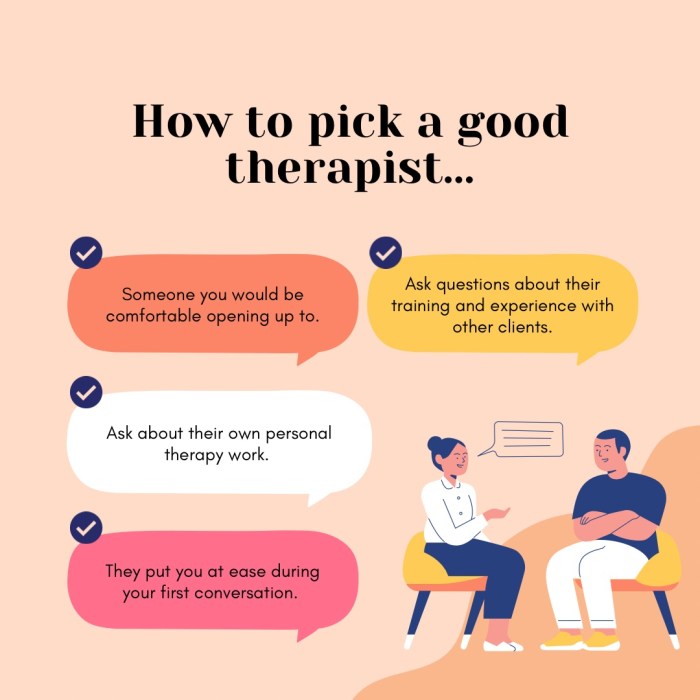
How to choose a counselor is a crucial question for anyone seeking mental health support. Finding the right therapist can significantly impact your journey towards well-being. This guide explores the process of identifying your needs, researching potential counselors, navigating the initial consultation, and building a strong therapeutic relationship. Understanding your options and knowing what to look for will empower you to make an informed decision and find the best fit for your unique circumstances.
From understanding different counseling specializations and approaches to verifying credentials and recognizing red flags, we’ll equip you with the knowledge and tools necessary to confidently embark on this important step. We’ll cover everything from online resources and referral networks to effective communication strategies during your initial consultation and beyond. This comprehensive guide will help you navigate the process with clarity and assurance, leading you towards a supportive and effective therapeutic partnership.
Sleep and Mental Health
The connection between sleep quality and mental well-being is undeniable. Sufficient, restorative sleep is crucial for emotional regulation, cognitive function, and overall mental health. Conversely, sleep deprivation or poor sleep quality significantly increases the risk of developing or exacerbating various mental health conditions.Sleep deprivation affects nearly every aspect of mental health. It impairs concentration, memory, and decision-making abilities, leading to decreased productivity and increased irritability.
Furthermore, it can intensify feelings of anxiety, depression, and stress, making it harder to cope with daily challenges. The impact is not merely a matter of feeling tired; it’s a profound influence on our emotional and cognitive state.
Improving Sleep Hygiene
Establishing good sleep hygiene is paramount for achieving consistent, restful sleep. This involves creating a conducive sleep environment and adopting healthy sleep habits. A consistent sleep schedule, even on weekends, helps regulate the body’s natural sleep-wake cycle. Creating a relaxing bedtime routine, such as taking a warm bath or reading a book, signals to the body that it’s time to wind down.
Avoiding caffeine and alcohol before bed is also essential, as these substances can interfere with sleep quality. Ensuring the bedroom is dark, quiet, and cool further optimizes the sleep environment. Regular physical activity during the day can improve sleep, but avoid intense workouts close to bedtime.
Sleep Disorders and Their Mental Health Impact
Several sleep disorders significantly impact mental well-being. Insomnia, characterized by difficulty falling asleep or staying asleep, is frequently associated with anxiety and depression. Sleep apnea, a condition where breathing repeatedly stops and starts during sleep, can lead to daytime fatigue, irritability, and cognitive impairment, increasing the risk of mood disorders. Narcolepsy, a neurological disorder causing excessive daytime sleepiness, can disrupt daily life and contribute to social isolation and decreased quality of life.
Restless legs syndrome, causing an irresistible urge to move the legs, can disrupt sleep and negatively affect mood and concentration. The treatment of these disorders often involves a combination of lifestyle changes, therapy, and medication, all contributing to improved mental health outcomes.
Creating a Personalized Sleep Schedule and Routine
A personalized sleep schedule and routine should be tailored to individual needs and preferences. This begins with determining the ideal amount of sleep required. Most adults need 7-9 hours of sleep per night. A consistent sleep-wake schedule should be established, even on weekends, to regulate the circadian rhythm. A relaxing bedtime routine should be developed, incorporating activities like reading, listening to calming music, or practicing relaxation techniques.
The bedroom should be optimized for sleep, ensuring it is dark, quiet, and cool. Regular exercise and a healthy diet can contribute to better sleep. Finally, creating a calming and consistent pre-sleep routine can greatly improve the quality and consistency of sleep. For example, a routine could include a warm bath at 9:00 PM, reading for 30 minutes, and then lights out by 10:00 PM.
Workplace Mental Health: How To Choose A Counselor
A healthy workforce is a productive workforce. Ignoring mental health in the workplace is not only ethically questionable but also detrimental to a company’s bottom line. Employees struggling with mental health issues often experience decreased productivity, increased absenteeism, and higher rates of workplace accidents. Prioritizing mental well-being fosters a supportive and inclusive environment, ultimately leading to increased employee engagement, improved morale, and a stronger overall organizational performance.
The Importance of Mental Health in the Workplace
Mental health significantly impacts employee performance and overall organizational success. Untreated mental health conditions can lead to reduced productivity, increased absenteeism and presenteeism (being present but not fully engaged), and higher turnover rates. Furthermore, a supportive and inclusive work environment that prioritizes mental health fosters a culture of trust and open communication, leading to improved employee morale, increased job satisfaction, and a stronger sense of belonging.
This, in turn, contributes to a more positive and productive work environment. A mentally healthy workforce is more innovative, resilient, and better equipped to handle challenges.
Strategies for Promoting Mental Well-being in the Workplace
Creating a mentally healthy workplace requires a multifaceted approach. This includes implementing policies that support mental health, providing resources and training, and fostering a culture of open communication and support. Practical strategies involve offering employee assistance programs (EAPs) that provide confidential counseling and support services. Promoting work-life balance through flexible work arrangements, reasonable workloads, and generous vacation time is also crucial.
Encouraging regular breaks, promoting physical activity, and providing access to healthy food options can significantly contribute to employee well-being. Finally, training managers and supervisors on recognizing and responding to mental health concerns within their teams is essential for creating a supportive work environment.
Examples of Workplace Policies and Programs that Support Mental Health, How to choose a counselor
Many organizations are proactively implementing policies and programs to support employee mental health. For instance, some companies offer mental health days as part of their sick leave policy, recognizing that mental health is just as important as physical health. Others provide subsidies for gym memberships or wellness programs, encouraging physical activity and healthy lifestyle choices. Some organizations have implemented mental health awareness training for all employees, aiming to reduce stigma and improve understanding.
Furthermore, many companies are incorporating mindfulness and meditation programs into their employee wellness initiatives. A robust EAP, providing access to confidential counseling and support services, is becoming increasingly common in progressive organizations. These programs demonstrate a commitment to employee well-being and contribute to a healthier and more productive work environment.
A Workplace Mental Health Awareness Campaign
A successful workplace mental health awareness campaign should aim to destigmatize mental health issues, promote help-seeking behaviors, and provide employees with the resources they need to support their mental well-being. The campaign could involve a series of workshops and presentations led by mental health professionals, focusing on topics such as stress management, anxiety reduction, and building resilience. Internal communication channels, such as company newsletters and intranet, could be used to share information about available resources and support services.
The campaign could also include the distribution of informative materials, such as brochures and posters, highlighting the importance of mental health and providing practical tips for self-care. Finally, employee testimonials could be shared anonymously to demonstrate that mental health challenges are common and that seeking help is a sign of strength, not weakness. This multifaceted approach ensures widespread reach and engagement, creating a culture of support and understanding around mental health within the workplace.
Choosing a counselor is a personal and significant decision. By carefully considering your needs, researching potential therapists, and engaging in a thoughtful initial consultation, you can build a foundation for a successful therapeutic relationship. Remember, finding the right fit is key to achieving your mental health goals. This guide provides a framework; trust your intuition and prioritize your comfort and confidence in the process.
Your well-being is paramount, and taking the time to choose wisely is an investment in your future.
Questions and Answers
What if I don’t click with my counselor during the initial consultation?
It’s perfectly acceptable to end the relationship. A good therapeutic relationship requires trust and rapport. If you don’t feel comfortable or a good connection, don’t hesitate to seek another counselor.
How often should I meet with my counselor?
The frequency of sessions varies depending on individual needs and treatment goals. This is something you’ll discuss with your counselor.
How much does counseling cost?
The cost of counseling varies widely based on location, counselor experience, and insurance coverage. Many counselors offer sliding-scale fees or accept insurance.
Is online counseling as effective as in-person therapy?
Research suggests that online counseling can be just as effective as in-person therapy for many individuals. The effectiveness depends on individual needs and the therapist’s skills in providing online services.
What if I can’t afford counseling?
Many community mental health centers offer low-cost or free services. You can also explore options like sliding-scale fees and insurance coverage. Additionally, some non-profit organizations provide financial assistance.