Mental Health Days and Workplace Culture

Mental health days and workplace culture are intrinsically linked, impacting employee well-being and productivity significantly. A supportive work environment fosters open communication about mental health, reducing stigma and encouraging employees to prioritize their well-being. Conversely, a culture that neglects mental health can lead to increased stress, burnout, and decreased overall performance. This exploration delves into the multifaceted relationship between mental health days and workplace culture, examining the benefits of supportive policies and strategies for creating a healthier, more productive work environment.
This examination will explore how offering mental health days affects employee absenteeism and performance, comparing companies with varying mental health policies. We will also delve into the characteristics of a supportive workplace culture, including communication styles and inclusive practices. Furthermore, we will discuss practical stress and anxiety management techniques, resources for depression support, and the importance of mindfulness and resilience-building.
Finally, we will consider workplace mental health initiatives, addiction support, and strategies for personal growth and self-care.
Overcoming Addictions and Supporting Employees
Supporting employees struggling with addiction is crucial for fostering a healthy and productive workplace. A supportive environment not only benefits the individual employee but also improves overall team morale and productivity. Ignoring the issue can lead to decreased performance, increased absenteeism, and potential safety hazards. A proactive and compassionate approach is essential.Providing resources and a safe space for employees to seek help is paramount.
This includes readily available information about addiction treatment programs, employee assistance programs (EAPs), and external support organizations. Furthermore, a commitment to confidentiality and a non-judgmental atmosphere are vital to encourage employees to come forward without fear of repercussions.
Available Resources for Employees Dealing with Addiction
Many resources exist to help employees facing substance abuse or other addictions. These resources offer various levels of support, from confidential counseling and support groups to intensive treatment programs. Employers can significantly aid their employees by providing clear information on these options and facilitating access. This might involve providing a list of reputable treatment centers, EAP contact information, and details about relevant websites and helplines.
Some companies even offer financial assistance for treatment.
Creating a Supportive and Non-Judgmental Environment
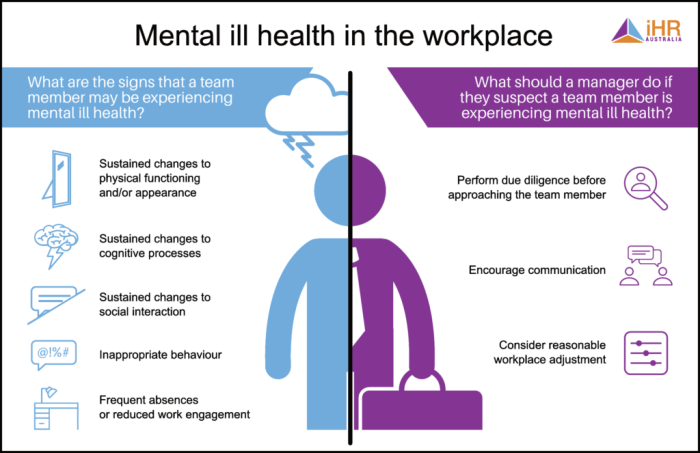
Cultivating a supportive and non-judgmental environment requires a multi-pronged approach. Training managers and supervisors on how to identify signs of addiction and how to approach conversations with sensitivity is critical. Open communication about mental health and addiction should be encouraged throughout the workplace. This can involve company-wide awareness campaigns, workshops, or presentations from addiction specialists. A clear policy outlining the company’s commitment to supporting employees with addiction issues, emphasizing confidentiality and non-discrimination, is also essential.
The goal is to create a culture where seeking help is seen as a sign of strength, not weakness.
Confidential Addiction Treatment Programs, Mental health days and workplace culture
Numerous confidential addiction treatment programs are available, catering to various needs and preferences. These programs range from outpatient counseling and support groups to inpatient rehabilitation centers offering intensive, structured treatment. Confidentiality is a cornerstone of these programs, ensuring that an employee’s participation remains private. Employers can play a crucial role by providing information about local and national programs, including those that offer sliding-scale fees based on income, ensuring accessibility for all employees.
The emphasis should always be on privacy and respect for the employee’s journey to recovery. For example, many EAPs offer confidential assessments and referrals to specialized treatment centers. The company might also partner with local healthcare providers to create a streamlined referral process.
Personal Growth and Self-Care Strategies: Mental Health Days And Workplace Culture
Prioritizing personal growth and self-care is crucial for maintaining both mental and physical well-being, especially in today’s demanding work environment. A holistic approach, encompassing various strategies, can significantly enhance one’s overall quality of life and contribute to a more balanced and fulfilling existence. Neglecting self-care can lead to burnout, decreased productivity, and negatively impact relationships. Investing time and effort in personal growth fosters resilience, improves coping mechanisms, and promotes a sense of purpose.
Self-Care Activities for Mental Well-being
Engaging in regular self-care activities is essential for reducing stress, improving mood, and boosting overall mental health. These activities should be tailored to individual preferences and needs, but incorporating a variety of approaches is often beneficial.
- Mindfulness and Meditation: Practicing mindfulness techniques, such as meditation or deep breathing exercises, can help calm the mind and reduce anxiety. Even short, five-minute sessions can make a difference.
- Physical Exercise: Regular physical activity releases endorphins, which have mood-boosting effects. This could involve anything from a brisk walk to a more intense workout.
- Healthy Diet: Nourishing the body with a balanced diet provides the necessary fuel for optimal brain function and emotional regulation. Focusing on whole foods and limiting processed foods can significantly impact mental well-being.
- Sufficient Sleep: Adequate sleep is crucial for cognitive function, emotional regulation, and overall health. Aim for 7-9 hours of quality sleep per night.
- Spending Time in Nature: Connecting with nature has been shown to reduce stress and improve mood. A simple walk in a park or spending time in a garden can be incredibly beneficial.
- Social Connection: Maintaining strong social connections with family and friends provides support and a sense of belonging, which are crucial for mental well-being.
- Creative Pursuits: Engaging in creative activities, such as painting, writing, or playing music, can be a great outlet for stress and a way to express oneself.
Establishing Work-Life Boundaries
Setting clear boundaries between work and personal life is vital for preventing burnout and maintaining a healthy work-life balance. This involves establishing specific times for work and dedicated time for personal activities and relaxation.Overworking consistently blurs these boundaries, leading to decreased productivity and increased stress. Implementing strategies like setting specific work hours, disconnecting from work emails and notifications outside of work hours, and creating a dedicated workspace at home (if working remotely) are crucial for maintaining a healthy separation.
Prioritizing personal appointments and social engagements as important as work meetings is essential. Saying “no” to additional tasks when feeling overwhelmed is equally important for preserving personal time and preventing burnout.
Benefits of Hobbies and Leisure Activities
Incorporating hobbies and leisure activities into daily life offers numerous benefits, contributing to a more balanced and fulfilling life. These activities provide opportunities for relaxation, stress reduction, and personal fulfillment.Hobbies provide a sense of accomplishment and boost self-esteem, fostering a positive self-image. Engaging in activities that bring joy and relaxation can improve mood and reduce stress levels. They also offer opportunities for social interaction and connection with like-minded individuals.
The break from work-related tasks allows for mental rejuvenation and improved focus upon returning to work. Examples include gardening, photography, reading, or joining a sports team. These activities are not simply leisure; they are essential components of a well-rounded and healthy life.
Developing a Personal Self-Care Plan
Creating a personalized self-care plan involves identifying individual needs and preferences, setting realistic goals, and scheduling specific activities. This plan should be tailored to one’s lifestyle and should be adaptable to changing circumstances.The plan should include a variety of activities that address different aspects of well-being, such as physical health, mental health, and social connections. It’s important to start small and gradually incorporate more activities as one’s capacity increases.
Regularly reviewing and adjusting the plan is essential to ensure it remains effective and relevant. Tracking progress and celebrating successes can help maintain motivation and commitment to the self-care plan. A sample plan might involve scheduling 30 minutes of exercise three times a week, meditating for 10 minutes daily, and setting aside one evening a week for a hobby.
Ultimately, fostering a workplace culture that prioritizes mental health is not merely a matter of compassion; it’s a strategic imperative. By implementing supportive policies, promoting open communication, and providing accessible resources, organizations can cultivate a healthier, more productive, and engaged workforce. Investing in employee well-being translates to improved performance, reduced absenteeism, and increased employee satisfaction—a win-win for both individuals and the organization.
The journey towards a mentally healthy workplace requires continuous effort, education, and a commitment to creating a culture of care and understanding.
FAQ Overview
What are the legal implications of providing mental health days?
Legal requirements vary by location. Consult employment law experts in your region to ensure compliance with all relevant laws and regulations regarding employee leave and accommodations.
How can I encourage my colleagues to utilize mental health days?
Lead by example, normalize taking breaks for mental health, and promote a culture of open communication where seeking support is seen as a strength, not a weakness. Share resources and success stories.
How do I address concerns about productivity loss when employees take mental health days?
Focus on the long-term benefits. Studies show that prioritizing mental health leads to improved overall productivity and reduced burnout in the long run. Proper planning and delegation can mitigate short-term productivity impacts.
What if an employee frequently requests mental health days?
Offer support and resources. A pattern of frequent requests may indicate underlying issues requiring further attention. Confidential conversations and access to Employee Assistance Programs (EAPs) can help.


