Mindfulness for Anger Management
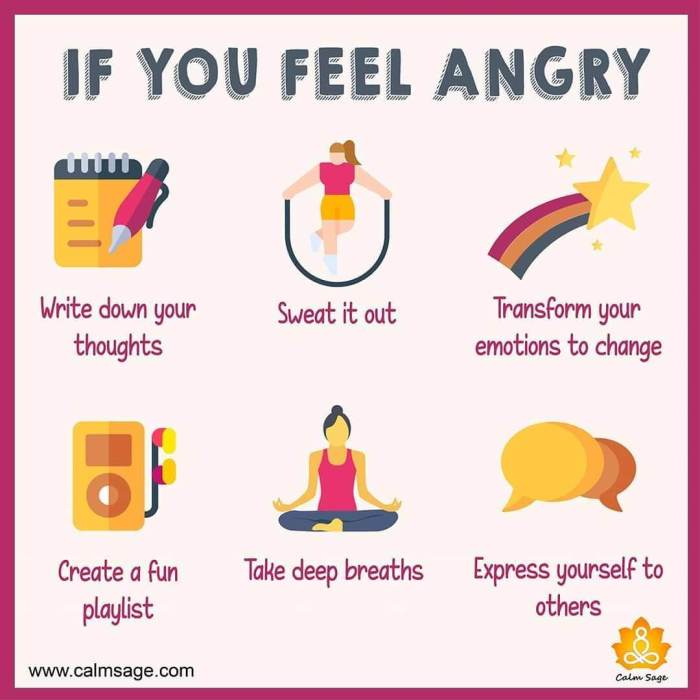
Mindfulness for anger management offers a powerful path to emotional regulation. This approach moves beyond simply suppressing anger; it cultivates a deeper understanding of its origins and teaches you to respond skillfully, rather than react impulsively. By learning to observe your thoughts and feelings without judgment, you can interrupt the cycle of anger and cultivate inner peace. This exploration will delve into practical techniques and strategies to integrate mindfulness into your daily life for lasting anger control.
Through mindful breathing exercises, body scans, and mindful awareness of your surroundings, you can develop the ability to identify the early signs of anger. This early recognition allows you to implement coping mechanisms before anger escalates into destructive behavior. We will examine the physiological impact of anger, exploring how mindfulness can counteract its effects on your body and mind. We’ll also cover how mindfulness helps challenge negative thought patterns that contribute to anger, fostering healthier cognitive responses and building resilience against future triggers.
Introduction to Mindfulness for Anger Management
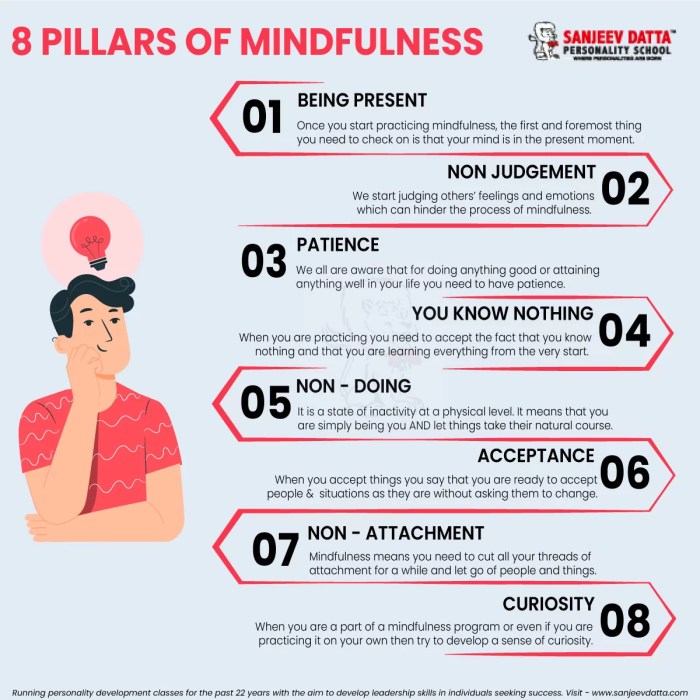
Mindfulness, the practice of paying attention to the present moment without judgment, offers a powerful approach to managing anger. Its effectiveness stems from its ability to interrupt the automatic, reactive patterns that often fuel angry outbursts, allowing for a more thoughtful and considered response. By cultivating awareness of our thoughts, feelings, and bodily sensations, we can learn to respond to anger rather than react impulsively.The physiological effects of anger are significant and can be detrimental to both our physical and mental well-being.
Anger triggers the release of stress hormones like adrenaline and cortisol, leading to increased heart rate, blood pressure, and muscle tension. These physiological changes can contribute to long-term health problems such as cardiovascular disease and anxiety disorders. Mindfulness techniques help counteract these effects by promoting relaxation and reducing the intensity of the physiological response to anger. By focusing on the present moment, we can interrupt the escalating cycle of anger before it reaches a point of uncontrolled outburst.
Mindfulness practices, such as deep breathing and body scan meditations, help regulate the nervous system, calming the body and mind.
The Relationship Between Mindfulness and Anger Management
Mindfulness directly addresses the core mechanisms of anger. Anger often arises from a disconnect with the present moment; we become consumed by thoughts about the past or anxieties about the future. Mindfulness encourages a return to the present, allowing us to observe our anger without judgment, rather than being swept away by it. This creates space between the trigger (the event that provokes anger) and our response, giving us the opportunity to choose a more constructive reaction.
For example, instead of immediately lashing out at someone who cuts you off in traffic, mindfulness might allow you to acknowledge the feeling of anger, notice the physical sensations (e.g., clenched jaw, racing heart), and then choose a calmer response, such as taking a few deep breaths before reacting.
Mindfulness Techniques in Anger Management: A Brief History
While the formal integration of mindfulness into anger management is relatively recent, the underlying principles have been utilized for centuries in various contemplative traditions. Eastern practices like meditation and yoga have long emphasized cultivating awareness and self-regulation, which are crucial components of effective anger management. The modern application of mindfulness to anger management gained traction in the latter half of the 20th century, with researchers and clinicians beginning to explore its efficacy in treating anger-related problems.
This led to the development of mindfulness-based interventions, such as Mindfulness-Based Stress Reduction (MBSR) and Mindfulness-Based Cognitive Therapy (MBCT), which have been adapted and used successfully in anger management programs. These programs typically incorporate mindfulness practices like meditation, body scan, and mindful movement to help individuals develop greater self-awareness and emotional regulation skills.
Mindfulness and the Cognitive Aspects of Anger
Anger, often experienced as an overwhelming emotion, is significantly influenced by our thoughts and interpretations of events. Mindfulness provides a powerful tool to understand and manage these cognitive processes, ultimately reducing the intensity and frequency of anger episodes. By cultivating present moment awareness, we can interrupt the automatic, often negative, thought patterns that fuel anger.Mindfulness helps challenge cognitive distortions by bringing awareness to the gap between our thoughts and reality.
We learn to observe our thoughts without judgment, recognizing them as simply mental events rather than absolute truths. This detachment allows us to assess the validity of our thinking and make more balanced choices in response to challenging situations.
Cognitive Distortions and Mindfulness, Mindfulness for anger management
Cognitive distortions are systematic errors in thinking that can lead to negative emotions, including anger. These distortions often involve exaggerations, generalizations, and misinterpretations of events. Mindfulness practices, such as focused attention and mindful self-compassion, can help to identify and correct these distortions, leading to a more realistic and balanced perspective. This, in turn, can reduce the intensity and frequency of angry responses.
Common Cognitive Errors Related to Anger and Their Mindfulness-Based Corrections
Common cognitive errors that contribute to anger include all-or-nothing thinking (seeing situations in black and white terms), catastrophizing (expecting the worst possible outcome), overgeneralization (drawing broad conclusions from a single event), and personalization (taking things personally that may not be directed at you). Mindfulness helps correct these errors by encouraging a more nuanced and balanced perspective. For example, instead of catastrophizing about a potential conflict, mindfulness encourages focusing on the present moment and acknowledging that the feared outcome may not materialize.
Similarly, practicing mindful self-compassion helps to mitigate the impact of personalization, allowing individuals to detach from negative self-judgments.
Cognitive Restructuring Techniques Combined with Mindfulness Practices
Mindfulness can be effectively integrated with cognitive restructuring techniques to manage anger. Cognitive restructuring involves identifying and challenging negative thought patterns, replacing them with more balanced and realistic ones. Combining this with mindfulness allows for a deeper understanding of the thought process and a more effective modification of these patterns.
- Mindful Observation of Thoughts: Before reacting to an upsetting situation, pause and observe your thoughts without judgment. Notice the sensations in your body associated with the anger. This creates space between the trigger and the reaction.
- Cognitive Defusion: Recognize that thoughts are just thoughts, not facts. Practice labeling your thoughts (“I’m having the thought that…”) to create distance and reduce their emotional impact.
- Mindful Self-Compassion: Treat yourself with kindness and understanding, recognizing that everyone makes mistakes. This reduces self-criticism, a common fuel for anger.
- Reframing Negative Thoughts: Actively challenge negative thoughts by asking yourself: “Is this thought really true? What’s another way to look at this situation?” Then, replace the negative thought with a more balanced and realistic one.
Mastering anger management through mindfulness is a journey of self-discovery and empowerment. By consistently practicing the techniques Artikeld, you’ll develop a greater capacity for self-awareness, emotional regulation, and resilience. Remember that mindfulness is not about eliminating anger entirely, but rather about cultivating a more skillful and compassionate relationship with your emotions. This allows you to navigate challenging situations with greater calm and clarity, leading to improved relationships and overall well-being.
Embrace this path toward a more peaceful and fulfilling life.
FAQ Explained
How long does it take to see results from mindfulness for anger management?
Results vary, but consistent practice often leads to noticeable improvements within weeks. The key is regular engagement with the techniques.
Is mindfulness for anger management suitable for everyone?
While generally beneficial, individuals with severe mental health conditions should consult a healthcare professional before starting a mindfulness practice.
Can mindfulness help with anger related to specific triggers like work stress?
Absolutely. Mindfulness equips you with tools to identify and manage anger arising from any source, including workplace stressors.
What if I find it difficult to quiet my mind during mindfulness exercises?
It’s normal for thoughts to wander. Gently redirect your attention back to your breath or chosen focus when this happens.