Mindfulness for Emotional Regulation
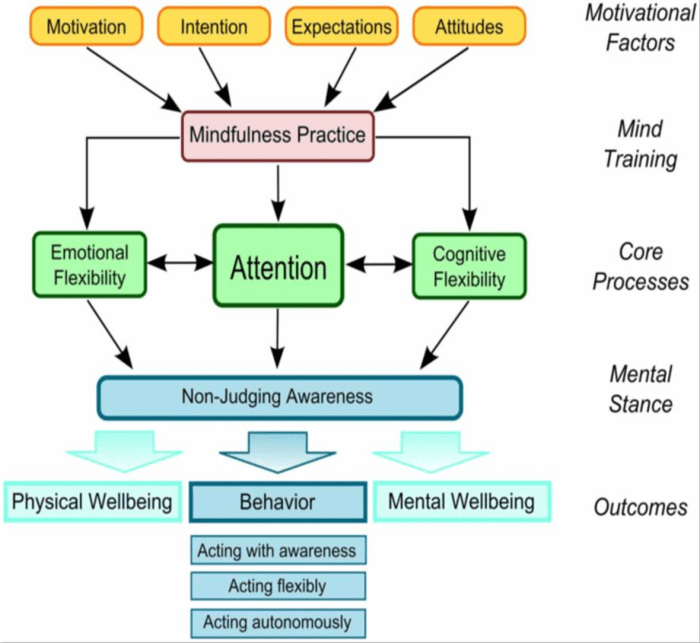
Mindfulness for emotional regulation offers a powerful path towards a more balanced and fulfilling life. This exploration delves into the practical applications of mindfulness, demonstrating how its techniques can effectively manage stress, anxiety, and depression. We’ll uncover how cultivating mindfulness fosters resilience, improves sleep, and enhances both personal and professional well-being, even contributing to addiction recovery.
Through a blend of practical exercises, insightful discussions, and readily applicable strategies, we aim to equip you with the tools to harness the transformative power of mindfulness for emotional well-being. We will cover various techniques, from deep breathing exercises to guided meditations, providing a comprehensive guide to integrating mindfulness into your daily life.
Stress and Anxiety Management Techniques Using Mindfulness: Mindfulness For Emotional Regulation
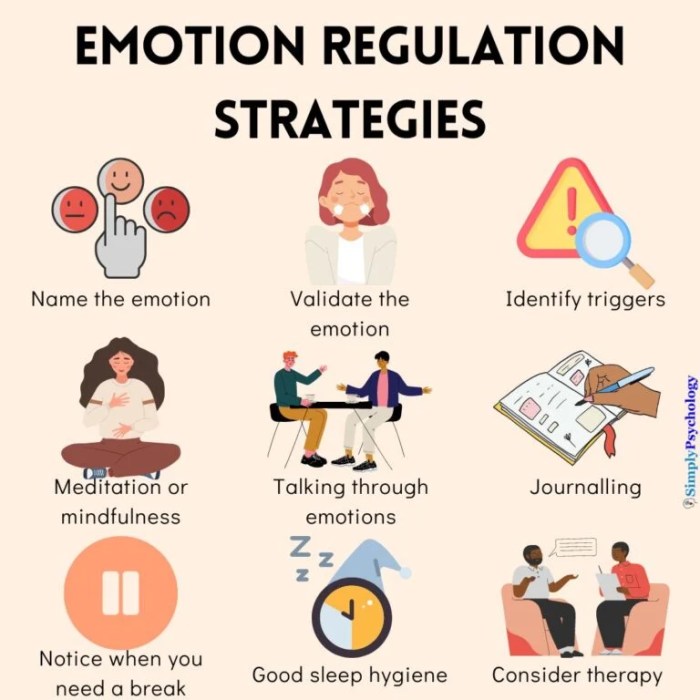
Mindfulness, the practice of paying attention to the present moment without judgment, offers a powerful approach to managing stress and anxiety. By cultivating awareness of our thoughts, feelings, and bodily sensations, we can learn to respond to stressful situations with greater calm and clarity, rather than reacting impulsively. This section explores the physiological effects of stress and anxiety and details specific mindfulness techniques to help alleviate them.
Physiological Effects of Stress and Anxiety
Stress and anxiety trigger a cascade of physiological responses within the body. The sympathetic nervous system activates, releasing hormones like adrenaline and cortisol. This “fight-or-flight” response increases heart rate, blood pressure, and respiration. Muscles tense, digestion slows, and the immune system can be suppressed. Chronic stress and anxiety can lead to various health problems, including cardiovascular disease, digestive issues, and weakened immunity.
Understanding these physical manifestations is crucial for appreciating the value of mindfulness in mitigating their impact.
Mindfulness Practices for Stress and Anxiety Management
Several mindfulness practices effectively address the physiological and psychological aspects of stress and anxiety.
Deep Breathing Exercises
Deep, slow breathing directly counteracts the rapid, shallow breathing associated with stress. By consciously slowing our breath, we activate the parasympathetic nervous system, which promotes relaxation. A simple technique involves inhaling deeply through the nose, holding for a few seconds, and exhaling slowly through the mouth. Repeating this cycle for several minutes can significantly reduce feelings of anxiety and promote a sense of calm.
Body Scan Meditation, Mindfulness for emotional regulation
The body scan involves systematically bringing awareness to different parts of the body, noticing any sensations without judgment. This practice helps to increase body awareness and identify areas of tension. By acknowledging these sensations without trying to change them, we can gradually release physical tension and reduce the physiological manifestations of stress. The process typically starts with the toes and progresses upwards, focusing on each body part for a few breaths before moving on.
Mindful Walking
Mindful walking involves paying close attention to the physical sensations of walking—the feeling of feet on the ground, the movement of the legs, and the rhythm of the breath. This simple practice anchors us in the present moment, reducing mind-wandering and promoting a sense of grounding. It can be practiced anywhere, anytime, making it a readily accessible tool for stress reduction.
Step-by-Step Guide for Incorporating Mindfulness into a Daily Routine
1. Start Small
Begin with just 5-10 minutes of mindfulness practice each day. Consistency is key, even short sessions are beneficial.
2. Choose a Practice
Select one or two mindfulness techniques that resonate with you, such as deep breathing or mindful walking.
3. Find a Quiet Space
Create a dedicated space for your practice, free from distractions.
4. Set a Reminder
Use a timer or alarm to remind yourself to practice.
5. Be Patient and Kind
Mindfulness is a skill that takes time and practice. Don’t get discouraged if your mind wanders; gently redirect your attention back to the present moment.
6. Gradually Increase Duration
As you become more comfortable, gradually increase the duration of your practice.
7. Integrate into Daily Life
Incorporate mindfulness into everyday activities, such as eating, showering, or working.
Mindfulness Techniques for Stress Reduction: A Summary
| Technique | Description | Benefits |
|---|---|---|
| Deep Breathing | Consciously slowing and deepening your breath, often inhaling through the nose and exhaling through the mouth. | Reduces heart rate, lowers blood pressure, activates the parasympathetic nervous system, promotes relaxation. |
| Body Scan Meditation | Systematically bringing awareness to different parts of the body, noticing sensations without judgment. | Increases body awareness, releases physical tension, reduces anxiety, improves self-awareness. |
| Mindful Walking | Paying close attention to the physical sensations of walking – the feeling of feet on the ground, the movement of the legs, and the rhythm of the breath. | Anchors you in the present moment, reduces mind-wandering, promotes a sense of grounding, reduces stress and anxiety. |
Mindfulness in the Workplace for Mental Health
The modern workplace presents numerous challenges that can significantly impact mental well-being. Constant pressure to meet deadlines, navigate complex interpersonal dynamics, and manage ever-increasing workloads contribute to a stressful environment. Integrating mindfulness practices can offer a powerful antidote to these stressors, fostering a healthier and more productive work environment. This section explores how mindfulness can be effectively applied in the workplace to improve mental health, enhance focus, and strengthen workplace relationships.
Common Workplace Stressors and Their Impact on Mental Health
High levels of stress in the workplace are frequently linked to a range of negative mental health outcomes. These stressors can manifest in various forms, from excessive workloads and demanding deadlines to workplace bullying and a lack of work-life balance. The cumulative effect of these pressures can lead to burnout, anxiety, depression, and even physical health problems. For example, a study by the American Institute of Stress found that 80% of workers reported experiencing workplace stress, with a significant portion citing job insecurity and heavy workloads as primary contributors.
This stress can manifest as increased irritability, difficulty concentrating, sleep disturbances, and decreased overall job satisfaction. Furthermore, chronic stress can weaken the immune system, making individuals more susceptible to illness.
Strategies for Incorporating Mindfulness into the Workday
Mindfulness techniques can be seamlessly integrated into the daily work routine to mitigate stress and enhance focus. Simple practices like taking short breaks throughout the day for deep breathing exercises or mindful walking can significantly reduce stress levels. Mindful breathing, for instance, involves focusing on the sensation of breath entering and leaving the body, gently guiding attention back to the breath whenever the mind wanders.
Another effective strategy is to practice mindful movement, such as stretching or yoga, to release tension and improve physical well-being. These short breaks, even just five minutes long, can help reset the mind and improve concentration. Regular mindfulness meditation, even for 10-15 minutes daily, can further enhance focus, reduce stress, and improve emotional regulation. Many organizations are now incorporating mindfulness training programs into their employee wellness initiatives, recognizing its value in boosting productivity and employee well-being.
Mindfulness and Improved Workplace Relationships and Communication
Mindfulness fosters self-awareness, allowing individuals to better understand their own emotions and reactions. This increased self-awareness translates into improved communication and more effective conflict resolution. By practicing mindfulness, individuals become more attuned to the emotional states of their colleagues, leading to greater empathy and understanding. For example, when faced with a conflict, a mindful approach encourages active listening and non-judgmental observation, facilitating constructive dialogue rather than escalating the situation.
This, in turn, strengthens workplace relationships and fosters a more collaborative and supportive work environment. The practice of mindful communication emphasizes clear and concise expression of thoughts and feelings, while actively listening to others without interrupting or formulating a response. This promotes mutual respect and understanding, enhancing teamwork and overall workplace harmony.
Overcoming Addictions with Mindfulness
Mindfulness, the practice of paying attention to the present moment without judgment, offers a powerful pathway to overcoming addiction. By cultivating awareness of thoughts, feelings, and bodily sensations, individuals can interrupt the cycle of compulsive behavior and build healthier coping mechanisms. This approach focuses on understanding the underlying triggers and cravings, rather than solely relying on willpower to abstain.Mindfulness techniques provide a crucial toolset for navigating the challenges of addiction recovery.
They empower individuals to observe their cravings and triggers without automatically reacting to them, fostering a sense of detachment and control. This allows for a more thoughtful response, reducing the impulsive nature of addictive behaviors.
Mindfulness Techniques for Managing Cravings and Triggers
Mindfulness practices directly address the intense urges and environmental cues that lead to relapse. These techniques help create space between the craving and the action of giving in to it, providing a crucial window of opportunity for healthier choices.A common technique is mindful breathing. When a craving arises, the individual focuses on the sensation of their breath entering and leaving their body.
This simple act anchors them in the present moment, reducing the intensity of the craving and preventing impulsive actions. Another effective strategy is body scan meditation, where individuals systematically bring awareness to different parts of their body, noticing any tension or sensations related to the craving. This helps to identify the physical manifestations of the craving and detach from the emotional intensity.
Visualizing a calming scene, such as a peaceful beach or forest, can also help to shift attention away from the craving and promote relaxation. Finally, practicing mindful movement, such as yoga or tai chi, can help release pent-up energy and reduce stress, which are often triggers for cravings.
Mindfulness-Based Relapse Prevention Strategies
Relapse prevention is a critical aspect of addiction recovery, and mindfulness plays a vital role in this process. By fostering self-awareness and emotional regulation, individuals can better anticipate and manage high-risk situations.One effective strategy involves identifying and acknowledging personal triggers. Through mindful reflection, individuals can pinpoint specific situations, people, places, or emotions that tend to precede cravings. This awareness allows them to develop proactive coping mechanisms.
For example, an individual might realize that feeling stressed at work frequently triggers a craving for alcohol. Knowing this, they can plan ahead by engaging in stress-reducing mindfulness practices, such as meditation or deep breathing, during their workday. Furthermore, practicing mindful self-compassion is crucial. Relapses are often viewed with self-criticism and shame, which can hinder recovery. Mindful self-compassion involves treating oneself with kindness and understanding during challenging moments, viewing setbacks as opportunities for learning and growth.
This fosters resilience and reduces the likelihood of further relapse. Finally, cultivating a supportive network of friends, family, or support groups can create a strong foundation for sustained recovery. Mindful engagement with these relationships allows for honest communication and accountability, reinforcing the commitment to sobriety.
Personal Growth and Self-Care through Mindfulness
Mindfulness, the practice of paying attention to the present moment without judgment, offers a powerful pathway to personal growth and enhanced self-care. By cultivating awareness of our thoughts, feelings, and sensations, we gain valuable insights into our inner world, fostering a deeper understanding of ourselves and our responses to life’s challenges. This increased self-awareness becomes the foundation for positive change and lasting well-being.Mindfulness cultivates a profound connection between our inner experience and our actions, leading to more intentional and fulfilling lives.
It allows us to break free from habitual patterns of thinking and behaving that may be hindering our personal development, and instead, make conscious choices aligned with our values and aspirations.
Mindfulness Benefits for Personal Growth and Self-Discovery
Mindfulness practices, such as meditation and mindful movement, provide a space for introspection and self-reflection. Through regular practice, individuals can identify deeply ingrained beliefs and assumptions that may be limiting their potential. This process of self-discovery allows for a more honest and compassionate understanding of oneself, paving the way for personal transformation. For example, someone consistently feeling overwhelmed might, through mindfulness, discover a pattern of negative self-talk contributing to their stress.
Recognizing this pattern is the first step towards challenging and changing it.
Mindfulness and the Promotion of Self-Acceptance and Self-Compassion
Self-acceptance and self-compassion are crucial for personal well-being and growth. Mindfulness helps cultivate these qualities by fostering a non-judgmental attitude towards our thoughts and feelings. Instead of harshly criticizing ourselves for perceived flaws or shortcomings, mindfulness encourages us to observe our inner experiences with kindness and understanding. This shift in perspective allows us to accept ourselves as we are, imperfections and all, fostering a sense of self-worth and resilience.
For instance, a person struggling with perfectionism might, through mindful observation, recognize the unrealistic standards they impose on themselves and begin to cultivate self-compassion by treating themselves with the same kindness they would offer a friend facing similar challenges.
A Visual Representation of the Mindfulness-Self-Care Connection
Imagine a serene pond reflecting a clear sky. The pond represents our inner world, sometimes calm, sometimes disturbed by ripples. Mindfulness is the gentle breeze that stills the water, allowing for a clear reflection of the sky (our true self). Self-care practices, like exercise, healthy eating, and sufficient sleep, are the sun and the rain that nourish the pond and its surroundings, making it even more beautiful and resilient.
The clearer the reflection (self-awareness), the more we understand and nurture the pond (ourselves), leading to greater personal growth and well-being. The connection is symbiotic: mindfulness helps us understand our needs, and self-care provides the resources to meet them, creating a positive feedback loop.
Mental Health Advocacy and Mindfulness
Openly discussing mental health is crucial for creating a supportive and understanding society. Advocacy efforts play a vital role in destigmatizing mental illness and ensuring access to appropriate resources and care. Mindfulness practices offer a powerful complement to these advocacy efforts, providing individuals with tools to manage their mental well-being and contribute to a more compassionate environment.Mindfulness contributes significantly to reducing the stigma surrounding mental health by promoting self-compassion and understanding.
By emphasizing the inherent interconnectedness of mind and body, mindfulness helps individuals recognize that mental health challenges are a normal part of the human experience, not signs of weakness or failure. This shift in perspective fosters empathy and reduces judgment, both towards oneself and others struggling with mental health issues. This, in turn, encourages open dialogue and reduces the fear of seeking help.
Strategies for Promoting Mindfulness as a Mental Health Tool
Mindfulness can be effectively promoted as a valuable tool for mental health through various channels. Educating the public about the benefits of mindfulness, providing accessible resources and training, and integrating mindfulness into existing mental health services are key strategies.The benefits of mindfulness for stress reduction, emotional regulation, and improved focus are well-documented. Promoting these benefits through public health campaigns, educational programs in schools and workplaces, and community workshops can significantly increase awareness and adoption.
Making mindfulness resources readily available, such as guided meditations, online courses, and mobile apps, can remove barriers to access and encourage widespread participation. Furthermore, integrating mindfulness techniques into existing mental health services, such as therapy and rehabilitation programs, can provide a holistic approach to treatment and recovery. This integrated approach can empower individuals to take an active role in their mental well-being, promoting long-term self-management and resilience.
Therapy and Counseling Options Incorporating Mindfulness
Mindfulness-based therapies are increasingly integrated into various therapeutic approaches, offering a powerful complement to traditional methods. These therapies leverage the principles of mindfulness to cultivate self-awareness, emotional regulation, and acceptance, ultimately fostering mental well-being. By focusing on the present moment without judgment, individuals can gain valuable insights into their thoughts, feelings, and behaviors, leading to positive change.Mindfulness-based therapies differ from other approaches by emphasizing direct experience over cognitive restructuring or behavioral modification alone.
While other therapies may focus on identifying and changing maladaptive thought patterns or behaviors, mindfulness-based approaches emphasize cultivating a non-judgmental awareness of these patterns as they arise, allowing for greater emotional regulation and self-compassion.
Types of Mindfulness-Based Therapies and Their Benefits
The integration of mindfulness techniques into various therapeutic frameworks provides a diverse range of options for individuals seeking mental health support. The following table details some key approaches.
| Therapy Type | Description | Key Techniques | Benefits |
|---|---|---|---|
| Mindfulness-Based Cognitive Therapy (MBCT) | Combines cognitive behavioral therapy (CBT) with mindfulness practices to prevent relapse in individuals with recurrent depression. | Mindful awareness of thoughts and feelings, meditation, body scan exercises, mindful movement. | Reduced relapse rates in depression, improved emotional regulation, increased self-awareness. |
| Acceptance and Commitment Therapy (ACT) | Focuses on accepting difficult thoughts and feelings without judgment, and committing to valued actions. Mindfulness is central to this process. | Mindful observation of thoughts and feelings, values clarification, commitment to action, cognitive defusion. | Increased psychological flexibility, improved ability to cope with difficult emotions, enhanced commitment to personal values. |
| Dialectical Behavior Therapy (DBT) | Often used for borderline personality disorder, DBT incorporates mindfulness skills to improve emotional regulation and distress tolerance. | Mindfulness meditation, distress tolerance techniques (e.g., radical acceptance), emotion regulation skills. | Improved emotional regulation, reduced self-harm behaviors, enhanced interpersonal skills. |
| Mindfulness-Based Stress Reduction (MBSR) | An eight-week program designed to teach mindfulness techniques for managing stress and promoting well-being. | Mindful meditation, body scan, yoga, mindful movement. | Reduced stress and anxiety, improved sleep quality, increased self-awareness. |
Ultimately, mastering mindfulness for emotional regulation is a journey of self-discovery and empowerment. By understanding the intricate connection between our thoughts, feelings, and actions, we can cultivate a deeper sense of self-awareness and build resilience against life’s inevitable challenges. The techniques explored here provide a foundation for navigating emotional landscapes with greater ease and cultivating a more peaceful and fulfilling existence.
Remember that consistent practice is key to reaping the full benefits of this transformative approach.
FAQ Summary
How long does it take to see results from practicing mindfulness?
The timeframe varies individually. Some experience immediate benefits, while others may notice significant changes over several weeks or months of consistent practice.
Is mindfulness a replacement for therapy?
No, mindfulness is a complementary tool. It can enhance therapy but doesn’t replace professional mental health care when needed.
What if I find it difficult to focus during mindfulness exercises?
It’s normal to have wandering thoughts. Gently redirect your attention back to your breath or chosen focus point without judgment.
Can children benefit from mindfulness practices?
Absolutely! Age-appropriate mindfulness techniques can help children manage emotions, improve focus, and reduce stress.