Sleep Tips for Anxiety Relief
Sleep tips for anxiety relief are crucial for overall well-being. Anxiety significantly impacts sleep quality, leading to a vicious cycle of poor sleep and heightened anxiety. This article explores practical strategies, from relaxation techniques and cognitive behavioral therapy to dietary adjustments and stress management, to help you break this cycle and achieve restful, restorative sleep.
Understanding the intricate connection between sleep and anxiety is the first step towards reclaiming peaceful nights. We’ll delve into the science behind this relationship, offering actionable advice and resources to help you prioritize sleep hygiene and cultivate a more relaxed mindset. By implementing these tips, you can pave the way for improved mental health and a better quality of life.
Sleep and Mental Health
Sleep and mental health are intricately linked, existing in a continuous cycle of influence. A healthy sleep pattern significantly contributes to overall mental well-being, while disruptions in sleep can negatively impact mental health, leading to or worsening existing conditions. Understanding this bidirectional relationship is crucial for effective mental health management.Sleep deprivation, even in relatively small amounts, can significantly exacerbate symptoms of anxiety and depression.
The lack of restorative sleep disrupts the delicate balance of neurotransmitters in the brain, impacting mood regulation, cognitive function, and emotional processing. For example, insufficient sleep can heighten sensitivity to stress, making individuals more prone to anxiety attacks and exacerbating feelings of hopelessness and despair associated with depression. This is because sleep plays a vital role in consolidating memories and emotional processing; inadequate sleep interferes with this process, leaving unprocessed negative emotions to fester.
The Impact of Sleep Disorders on Mental Health, Sleep tips for anxiety relief
Various sleep disorders significantly impact mental health. Insomnia, characterized by difficulty falling asleep, staying asleep, or experiencing non-restorative sleep, is strongly associated with increased rates of anxiety and depression. Individuals with insomnia often report heightened levels of stress, irritability, and difficulty concentrating, all of which can further fuel mental health challenges. Similarly, sleep apnea, a condition marked by pauses in breathing during sleep, is linked to increased risk of depression and anxiety.
The repeated disruptions in sleep can lead to daytime fatigue, impacting mood, cognitive function, and overall quality of life. Furthermore, restless legs syndrome (RLS), characterized by an irresistible urge to move the legs, can disrupt sleep and contribute to anxiety and irritability. The discomfort and sleep deprivation caused by RLS can significantly impact a person’s mental well-being, leading to frustration and impacting daily functioning.
Finally, narcolepsy, a neurological disorder characterized by excessive daytime sleepiness and sudden sleep attacks, can severely impact an individual’s ability to function effectively, contributing to feelings of isolation, frustration, and low self-esteem, potentially exacerbating pre-existing mental health conditions.
Workplace Mental Health and Sleep
The modern workplace, often characterized by demanding workloads, long hours, and intense pressure, significantly impacts employee mental health and, consequently, sleep quality. A stressful work environment can lead to a cascade of negative effects, from difficulty falling asleep and staying asleep to experiencing disrupted sleep patterns and reduced sleep duration. This, in turn, exacerbates existing mental health challenges and can even trigger new ones.
Understanding this interconnectedness is crucial for fostering a healthier and more productive workforce.The impact of workplace stress on sleep and mental health is multifaceted. Chronic stress activates the body’s fight-or-flight response, releasing hormones like cortisol that interfere with the natural sleep-wake cycle. This can manifest as insomnia, frequent nighttime awakenings, and difficulty achieving restful, restorative sleep. The resulting sleep deprivation weakens the immune system, reduces cognitive function, and increases susceptibility to mental health issues such as anxiety and depression.
Furthermore, the constant pressure to perform and meet deadlines can create a sense of overwhelm and burnout, further compounding the negative impact on both sleep and mental well-being.
Strategies for Improving Workplace Mental Health and Promoting Healthy Sleep
Implementing effective strategies to improve workplace mental health and promote healthy sleep habits requires a multifaceted approach involving both individual and organizational efforts. Individual strategies focus on empowering employees to take control of their well-being, while organizational strategies involve creating a supportive and understanding work environment. This combination is crucial for achieving sustainable improvements in employee health and productivity.
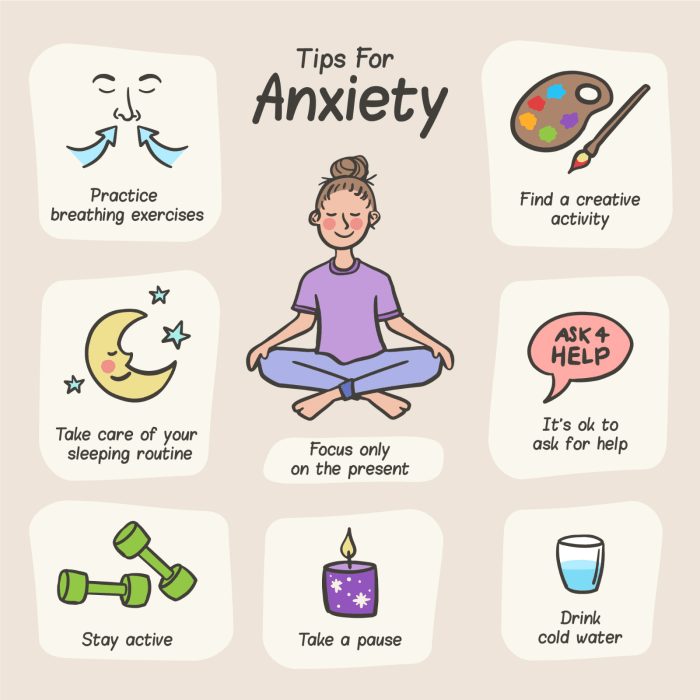
Individual strategies could include practicing mindfulness and relaxation techniques such as deep breathing exercises or meditation to manage stress and improve sleep quality. Regular physical activity, a balanced diet, and limiting caffeine and alcohol intake are also crucial for promoting healthy sleep habits. Establishing a consistent sleep schedule, even on weekends, can help regulate the body’s natural sleep-wake cycle.
Finally, seeking professional help from a therapist or counselor when needed is a vital step in addressing underlying mental health concerns that may be impacting sleep.
Organizational strategies are equally important. Employers can create a culture of open communication where employees feel comfortable discussing mental health concerns without fear of stigma or retribution. Implementing flexible work arrangements, such as telecommuting options or compressed workweeks, can reduce stress and allow employees more control over their schedules. Providing access to employee assistance programs (EAPs) that offer counseling, stress management workshops, and other resources can significantly improve employee well-being.
Furthermore, promoting work-life balance through initiatives like encouraging breaks and vacation time is essential for preventing burnout and improving sleep quality.
Examples of Employer-Sponsored Programs
Many forward-thinking companies are already implementing programs designed to support employee mental well-being and improve sleep quality. These programs often involve a combination of educational initiatives, access to mental health resources, and workplace adjustments.
For example, some companies offer workshops and seminars on stress management, mindfulness, and sleep hygiene. These sessions provide employees with practical tools and techniques for improving their sleep quality and managing stress levels. Others provide subsidized access to mental health professionals, allowing employees to receive confidential counseling and support. Some organizations have implemented flexible work arrangements, allowing employees to adjust their work schedules to better suit their individual needs and improve their work-life balance.
Finally, some companies offer on-site wellness centers or gyms, providing employees with convenient access to resources that promote physical and mental health.
A notable example is Google’s comprehensive wellness program, which includes mental health resources, stress management programs, and on-site fitness facilities. Another example is Adobe’s focus on flexible work arrangements and a culture that encourages employees to prioritize their well-being. These examples illustrate the growing recognition among employers of the importance of investing in their employees’ mental health and creating a supportive work environment that fosters both productivity and well-being.
By incorporating these sleep tips for anxiety relief into your daily routine, you can significantly improve your sleep quality and manage your anxiety more effectively. Remember that consistency is key, and it’s essential to find what works best for you. Don’t hesitate to seek professional help if needed; prioritizing your mental and physical health is a testament to your self-care and well-being.
Sweet dreams!
FAQ Overview: Sleep Tips For Anxiety Relief
How long does it take to see improvements in sleep after implementing these tips?
Results vary, but many people notice improvements within a few weeks of consistent effort. Be patient and persistent.
What if I try these tips and still struggle with sleep?
Consult a healthcare professional or therapist. Underlying medical conditions or other factors may be contributing to your sleep problems.
Are there any medications that can help with anxiety-related insomnia?
Yes, several medications can help. However, it’s crucial to discuss options with a doctor to determine the best and safest approach for your individual needs.
Can exercise worsen anxiety before bed?
Intense exercise close to bedtime can be stimulating. Aim for lighter exercise earlier in the day for optimal sleep.